
Offshore Rope Solutions for Oil & Gas Operations
Engineered synthetic ropes for mooring, towing and offshore support applications.
Designed for demanding offshore environments, our synthetic rope solutions are widely used in critical oil & gas operations, including Single Point Mooring (SPM), FPSO mooring, offshore loading, anchor handling, and platform supply vessels.
Manufactured using advanced fibers such as HMPE (UHMWPE), polyester, and nylon, our ropes deliver reliable performance, long service life, and enhanced safety under harsh marine conditions.
Trusted performance for critical offshore operations.
Why Choose Boyuan for Offshore Rope Solutions
We provide customized rope solutions tailored to your project needs, with consistent quality and dependable delivery.
High Strength
Exceptional strength with reduced weight.
Marine Durability
Excellent resistance to abrasion, UV and seawater.
Reliable Performance
Low elongation for precise load control.
Custom Engineering
Tailored rope solutions for offshore projects.
| 20+ | 100+ Countries | 10+ Years | 100% Customizable |
|---|---|---|---|
| Years of Manufacturing Experience | Global Export Markets | Rope Specifications Available | OEM & ODM Support |
Key Offshore Applications
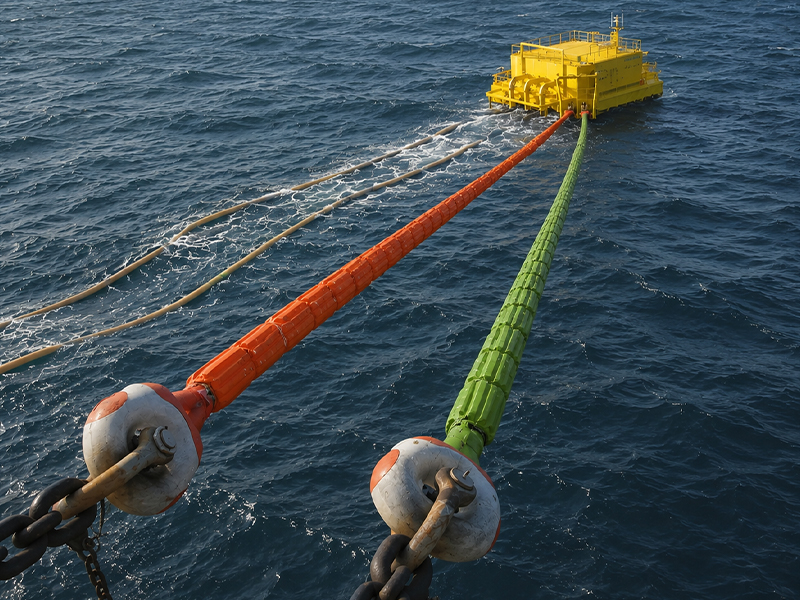
Single Point Mooring
Offshore buoy-based tanker loading system with vessel weathervaning capability.
Operates under continuous wave, wind, and current-induced dynamic loads.
Recommended Rope: Nylon Rope
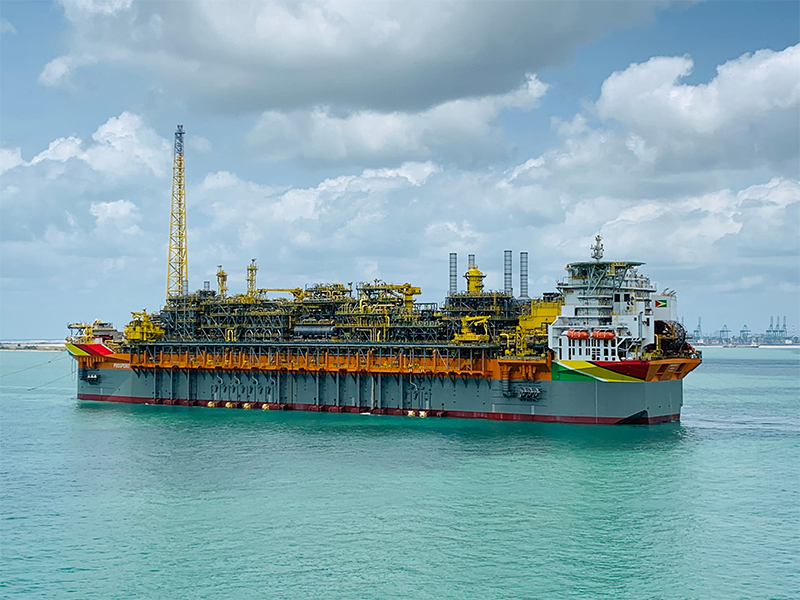
FPSO Mooring
Long-term station-keeping system for floating production and storage units in deepwater oil fields.
Designed for continuous fatigue loading and permanent offshore installation conditions.
Recommended Rope: Polyester / HMPE Mooring Rope
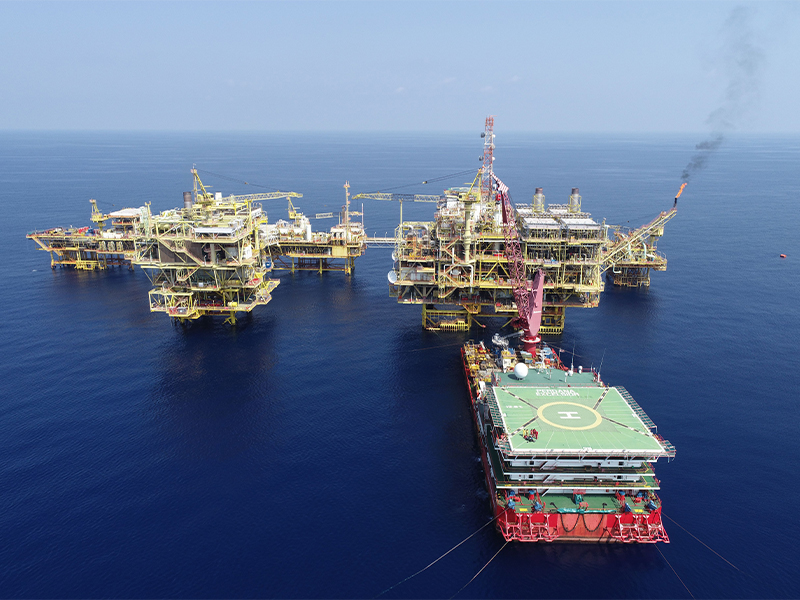
Offshore Loading
Mooring support system for hydrocarbon transfer between offshore facilities and shuttle tankers.
Requires stable vessel positioning under harsh marine environmental conditions.
Recommended Rope: Nylon / HMPE / Polyester Rope
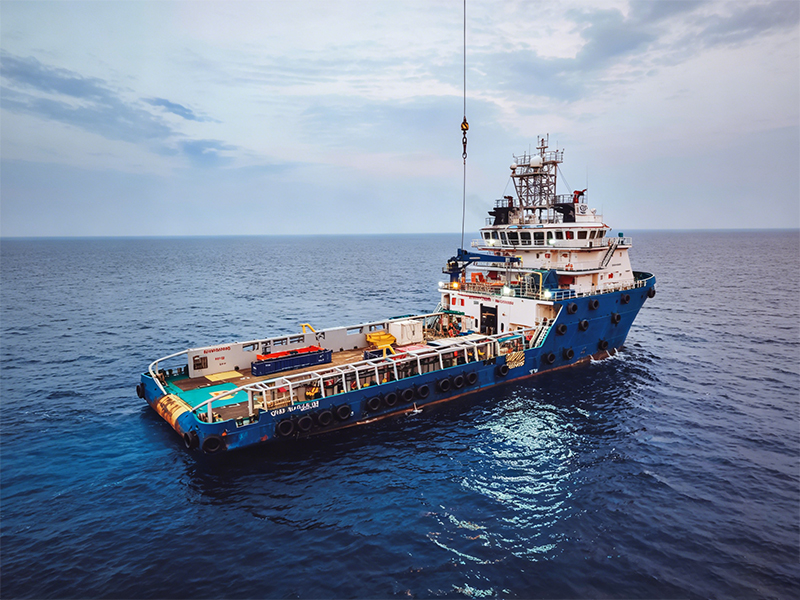
Anchor Handling
Heavy-duty marine operation for deploying, retrieving, and repositioning offshore anchors.
Subject to high shock loads and extreme dynamic tension during vessel operations.
Recommended Rope: HMPE / Nylon Rope
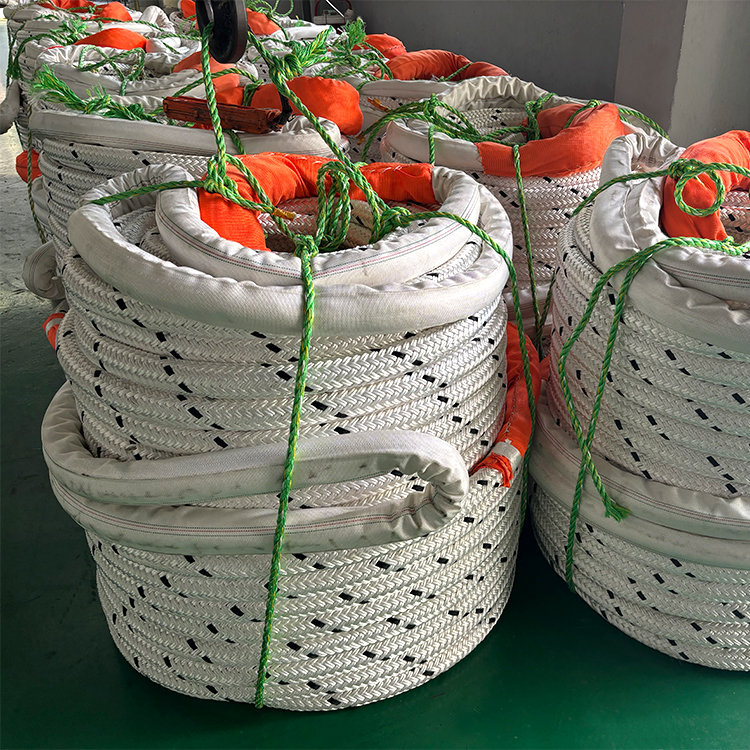
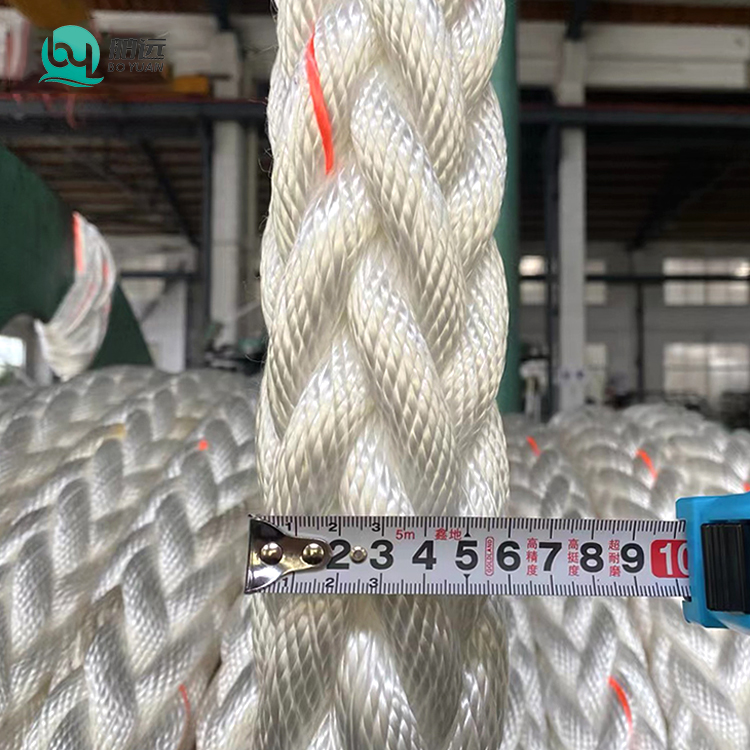
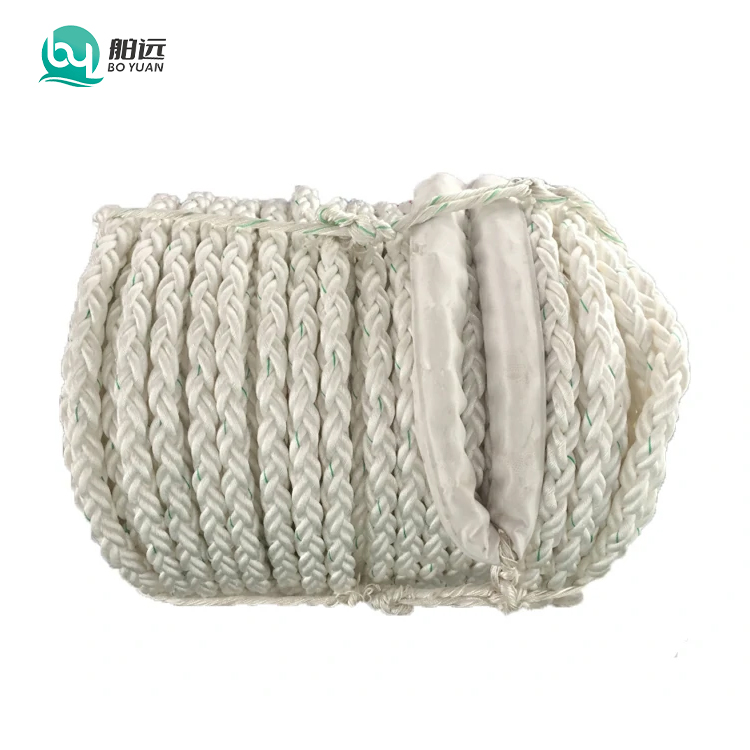
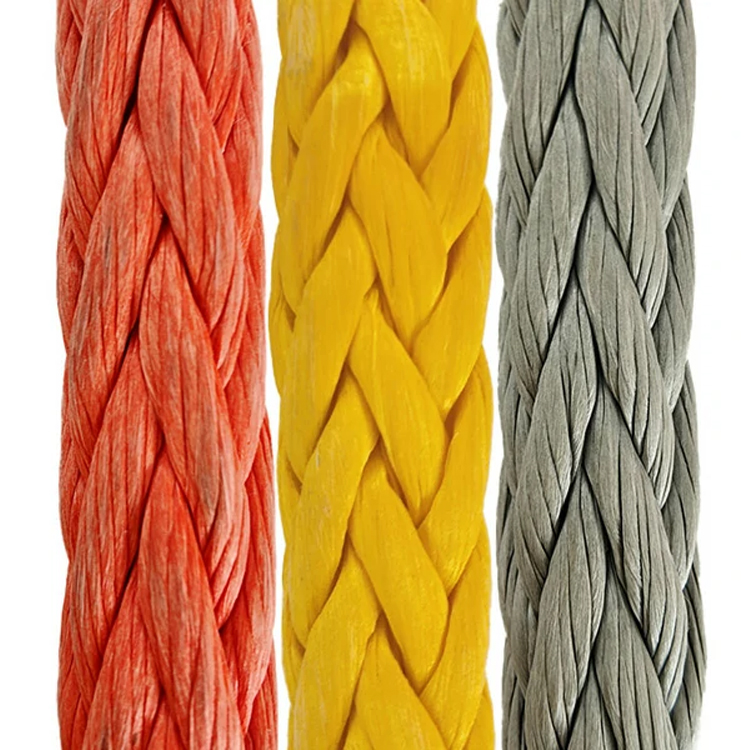
Recommended Products
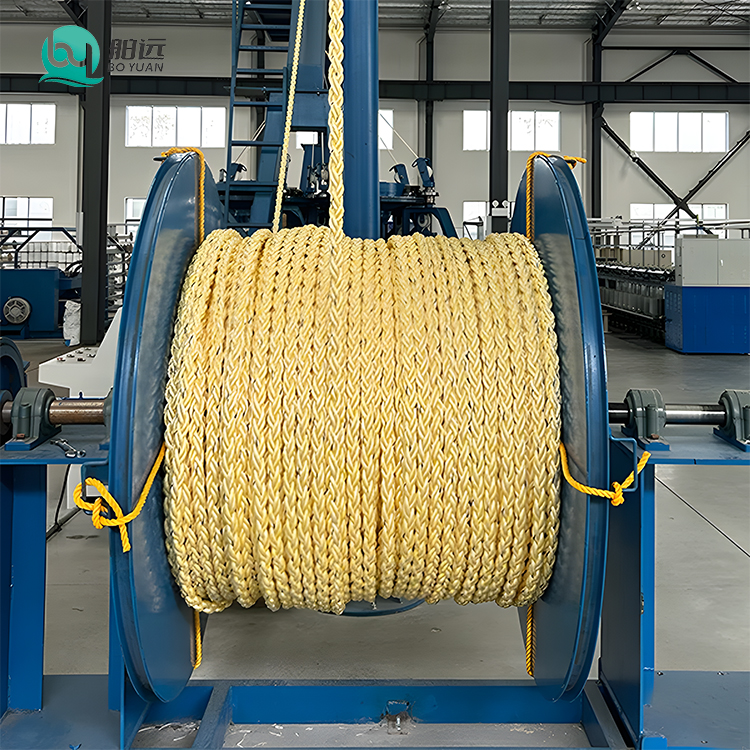
Offshore & Oil Rope Material Comparison
| Material | Strength | Weight | Buoyancy | Elongation | Abrasion Resistance | UV Resistance | Cost | Key Advantages | Limitations | Typical Applications |
|---|---|---|---|---|---|---|---|---|---|---|
| Polypropylene (PP) | ⭐⭐ | Very Light | ⭐⭐⭐⭐⭐ (Floating) | ⭐⭐⭐ | ⭐⭐ | ⭐⭐ | Low | Lightweight, floats, economical | Low strength, poor durability | Auxiliary lines, temporary use |
| Nylon (Polyamide) | ⭐⭐⭐⭐ | Medium | ❌ | ⭐⭐⭐⭐⭐ | ⭐⭐⭐⭐ | ⭐⭐⭐ | Medium | Excellent shock absorption, high elasticity | Water absorption, heavier | Dynamic mooring, towing support |
| PP & Polyester Mixed Rope | ⭐⭐⭐ | Light | ⭐⭐⭐⭐ (Semi-floating) | ⭐⭐ | ⭐⭐⭐ | ⭐⭐⭐⭐ | Medium | Balanced performance, cost-effective | Limited in extreme offshore loads | General offshore support |
| Polyester Rope | ⭐⭐⭐⭐ | Medium | ❌ | ⭐⭐ | ⭐⭐⭐⭐⭐ | ⭐⭐⭐⭐⭐ | Medium | High durability, low elongation, stable | Heavier than HMPE | Long-term mooring, offshore systems |
| HMPE (UHMWPE) Rope | ⭐⭐⭐⭐⭐ | Ultra Light | ⭐⭐⭐⭐⭐ (Floating) | ⭐ | ⭐⭐⭐⭐ | ⭐⭐⭐ | High | Extremely high strength-to-weight ratio, easy handling | Low elasticity, higher cost | Deepwater mooring, heavy-duty offshore |
Application FAQ
Certified according to DNV, ABS and ISO standards (available upon request)
Q1: Which rope is commonly used for offshore applications such as SPM and FPSO mooring?
A: HMPE (UHMWPE) and polyester ropes are widely used in offshore mooring systems due to their high strength, low weight, and excellent fatigue resistance under dynamic marine conditions.
Q2: What is the main difference between SPM and FPSO mooring systems?
A: SPM (Single Point Mooring) systems are used for tanker loading and allow vessel rotation around a buoy, while FPSO mooring systems are designed for long-term station keeping of floating production units in deepwater fields.
Q3: Can synthetic ropes replace steel wire ropes in offshore operations?
A: Yes. In many offshore applications, synthetic ropes are increasingly replacing steel wire ropes due to their lighter weight, improved handling safety, and superior resistance to corrosion and fatigue.
Q4: What factors should be considered when selecting offshore mooring ropes?
A: Key factors include load conditions, environmental exposure (waves, wind, current), installation type, required service life, and compatibility with mooring system design (e.g., SPM or FPSO).
Q5: Are your offshore ropes certified for marine and oil & gas applications?
A: Yes. Our ropes can be supplied with third-party certifications such as DNV, ABS, BV, and other marine classification standards upon request.