Anchor Handling Rope Solutions
High-strength synthetic ropes engineered for offshore anchor handling, towing, and positioning operations.
Designed to withstand extreme towing loads, repeated abrasion, and demanding offshore environments while improving operational safety and handling efficiency.
What is Anchor Handling?
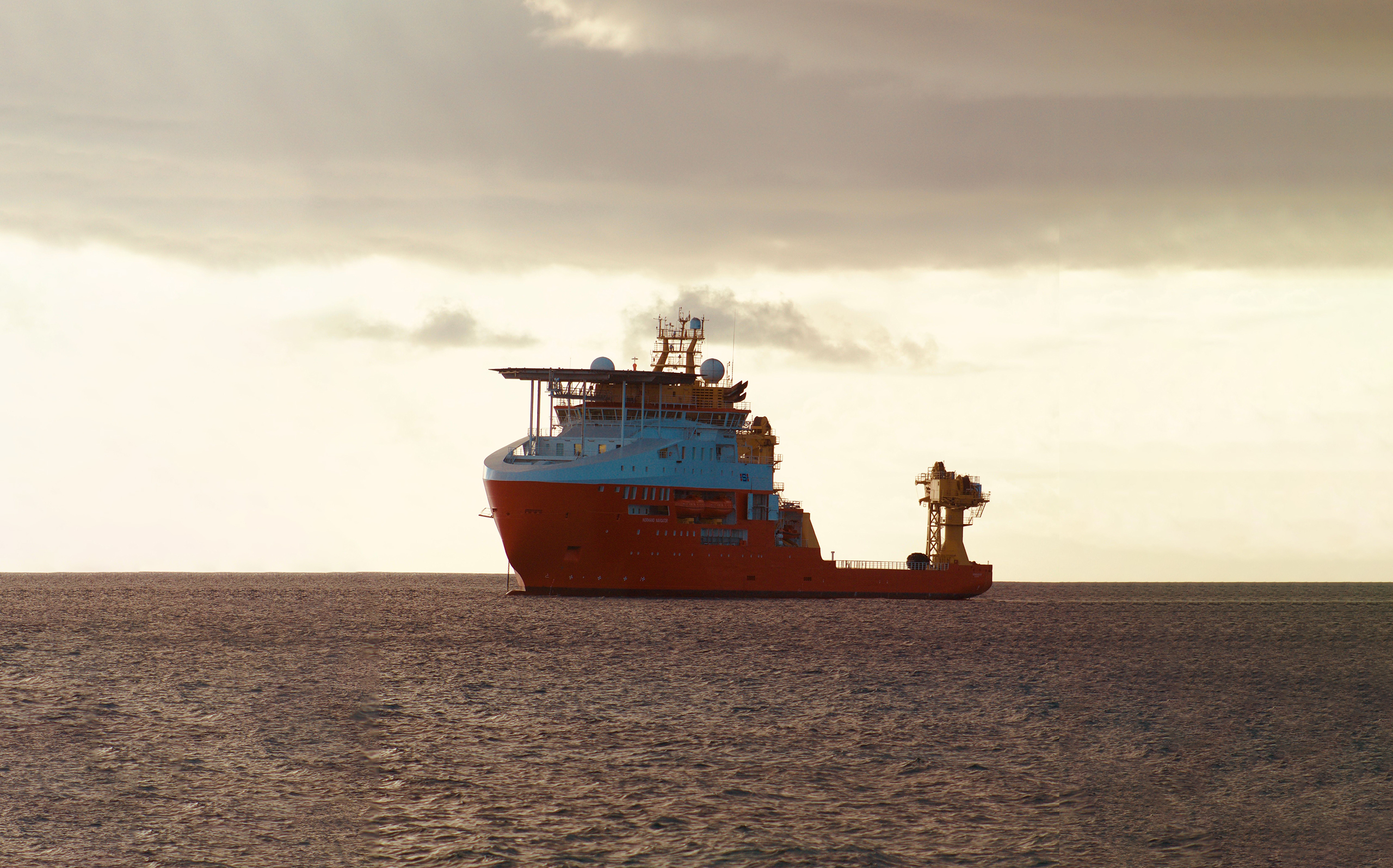
Anchor handling is a critical offshore operation involving the deployment, retrieval, repositioning, and recovery of anchors used for offshore drilling rigs, floating production units, and other marine structures.
These operations are typically performed by Anchor Handling Tug Supply (AHTS) vessels under challenging sea conditions, requiring ropes capable of withstanding extremely high towing loads and repeated mechanical wear.
Synthetic ropes significantly improve operational efficiency by reducing weight while maintaining exceptional strength.
Typical Anchor Handling Operations
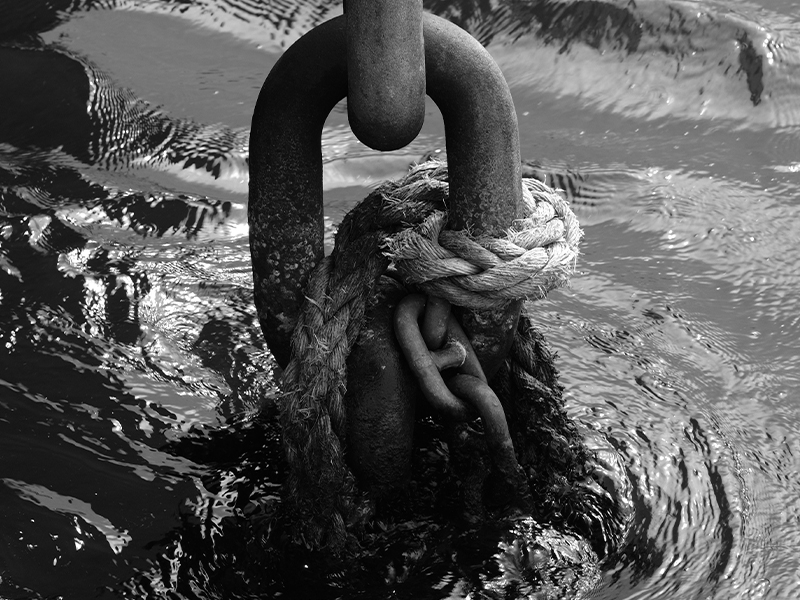
Anchor Deployment
Deploy anchors for offshore drilling and production units.
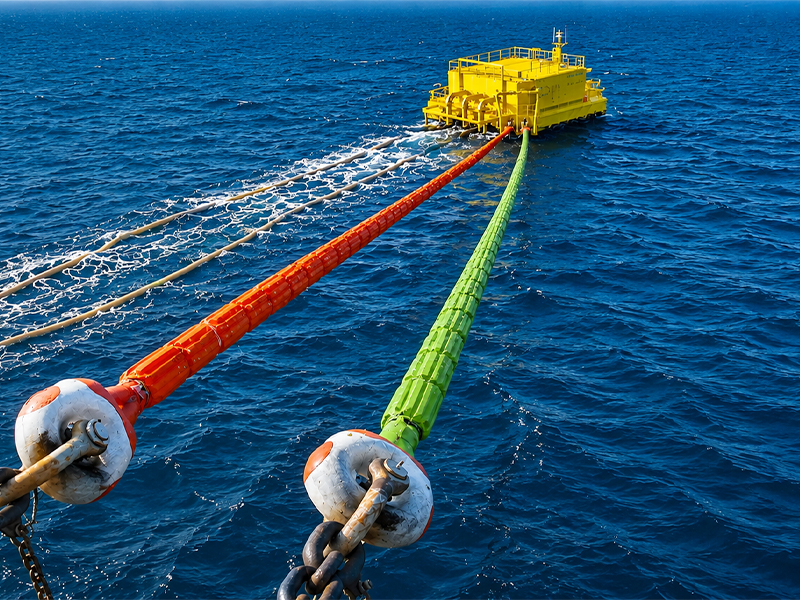
Anchor Recovery
Retrieve anchors safely after offshore operations.
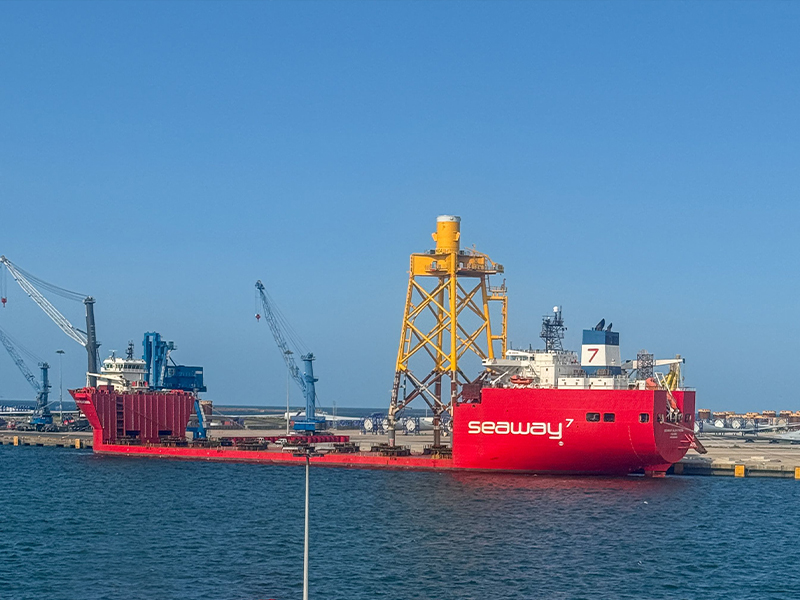
Rig Relocation
Move offshore drilling rigs between operating locations.
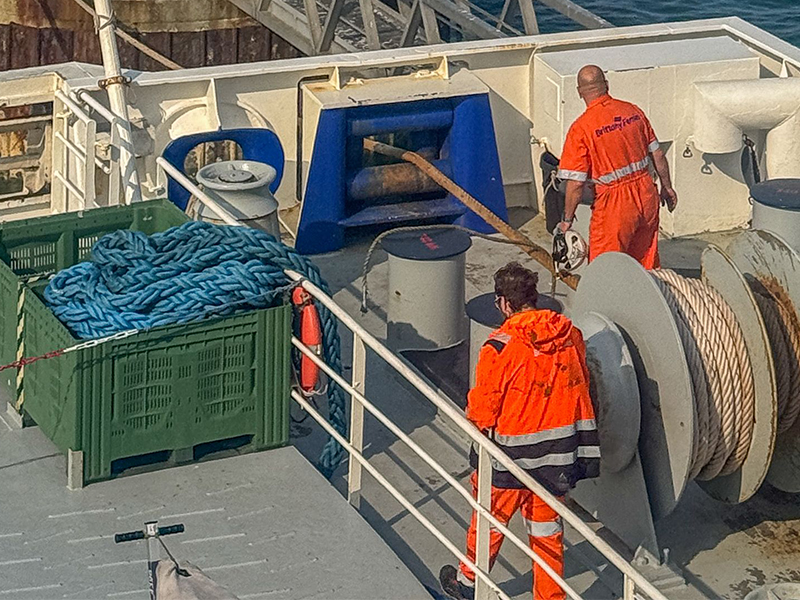
Heavy Offshore Towing
Tow barges, platforms, and offshore structures.
Engineering Advantages
Ultra High Strength
Designed for extreme towing and anchor handling loads.
Lightweight Construction
Improves handling safety while reducing crew workload.
Excellent Abrasion Resistance
Withstands repeated contact with deck equipment and fairleads.
Reliable Offshore Performance
Consistent strength under harsh offshore environments.
Performance Requirements for Anchor Handling Ropes
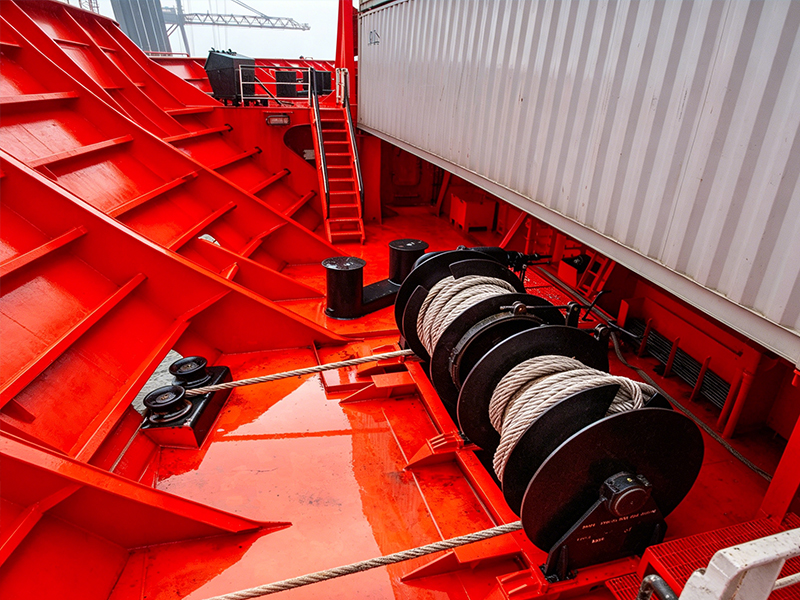
Extreme Tensile Strength
Anchor handling operations involve exceptionally high towing forces that require ropes with outstanding breaking strength.
Engineering Impact
Ensures safe handling of heavy offshore equipment.
Abrasion Resistance
Continuous contact with winches, rollers, and deck hardware requires highly durable rope construction.
Engineering Impact
Reduces wear and extends service life.
Low Weight
Lightweight ropes improve deployment efficiency and reduce manual handling.
Engineering Impact
Enhances operational safety.
Fatigue Resistance
Repeated loading cycles require excellent structural durability.
Engineering Impact
Maintains long-term rope integrity.
UV & Seawater Resistance
Designed for prolonged offshore exposure.
Engineering Impact
Provides reliable performance in marine environments.
Easy Inspection & Maintenance
Synthetic ropes simplify inspection compared with steel wire ropes.
Engineering Impact
Reduces maintenance costs and downtime.
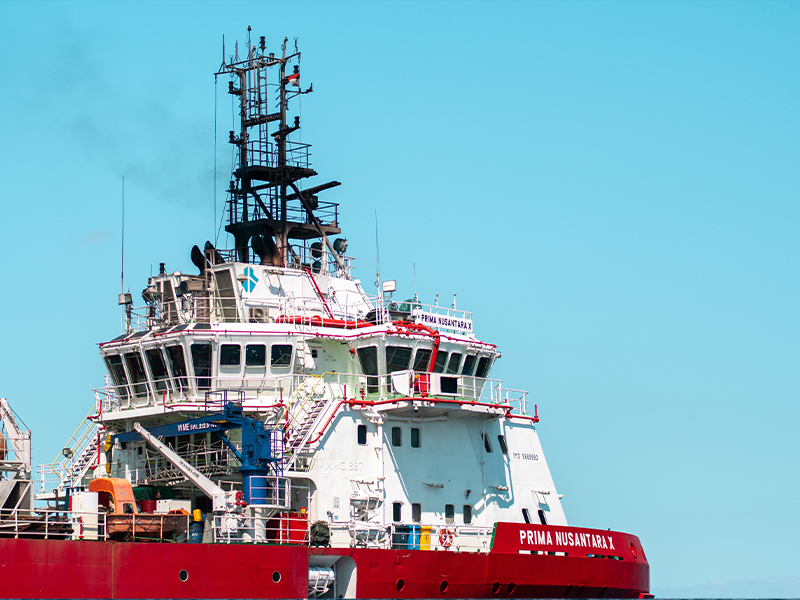
Rope Selection Guide for Offshore Loading
| Operation | Recommended Rope |
|---|---|
| Heavy anchor handling | HMPE Rope |
| Offshore towing | HMPE Rope |
| Dynamic towing | Nylon Rope |
| Long-term mooring support | Polyester Rope |
Material selection should be based on vessel type, towing load, environmental conditions, and project requirements.
Why Synthetic Ropes Replace Steel Wire
| Steel Wire Rope | Synthetic Rope |
|---|---|
| Heavy | Lightweight |
| Corrosion | Corrosion Free |
| Difficult Handling | Easy Handling |
| High Snap-back Risk | Reduced Snap-back Energy* |
| High Maintenance | Low Maintenance |
Technical Specifications
| Item | Value |
|---|---|
| Material | HMPE / Nylon |
| Construction | 12 Strand |
| Diameter | Custom |
| Breaking Strength | According to Project |
| Length | Custom |
| Certification | DNV / ABS / BV |
FAQ
1. What rope is commonly used for anchor handling operations?
HMPE ropes are widely used for anchor handling because they combine extremely high strength with low weight, making them easier to deploy and safer to handle than traditional steel wire ropes.
For applications requiring greater energy absorption under dynamic loading, nylon ropes may also be considered depending on the operational requirements.
2. Why choose HMPE rope instead of steel wire rope?
HMPE ropes offer several operational advantages over steel wire ropes, including:
- Significantly lower weight
- Easier handling
- Reduced corrosion
- Lower maintenance requirements
- High strength-to-weight ratio
- Improved installation efficiency
3. Can anchor handling ropes be customized?
Yes.
We manufacture customized anchor handling ropes according to project requirements.
Available options include:
- Diameter
- Rope length
- Eye splices
- Protective sleeves
- Color identification
- End fittings
4. What certifications are available?
Third-party certification can be supplied upon request.
Available options include:
- DNV
- ABS
- BV
- LR
- CCS
- RINA
5. What factors should be considered when selecting anchor handling ropes?
Important considerations include:
- Vessel bollard pull
- Anchor weight
- Water depth
- Environmental conditions
- Winch capacity
- Safety factor
- Applicable offshore standards
Selecting the appropriate rope construction and material helps improve operational safety and efficiency.
6. Are synthetic ropes suitable for offshore towing?
Yes.
High-performance synthetic ropes are widely used in offshore towing operations because they provide high strength, low weight, and excellent handling characteristics while reducing maintenance compared with steel wire ropes.