Single Point Mooring (SPM) Rope Solutions
Home » Solutions » Offshore & Oil » Single Point Mooring (SPM) Rope Solutions
Single Point Mooring (SPM) Rope Solutions
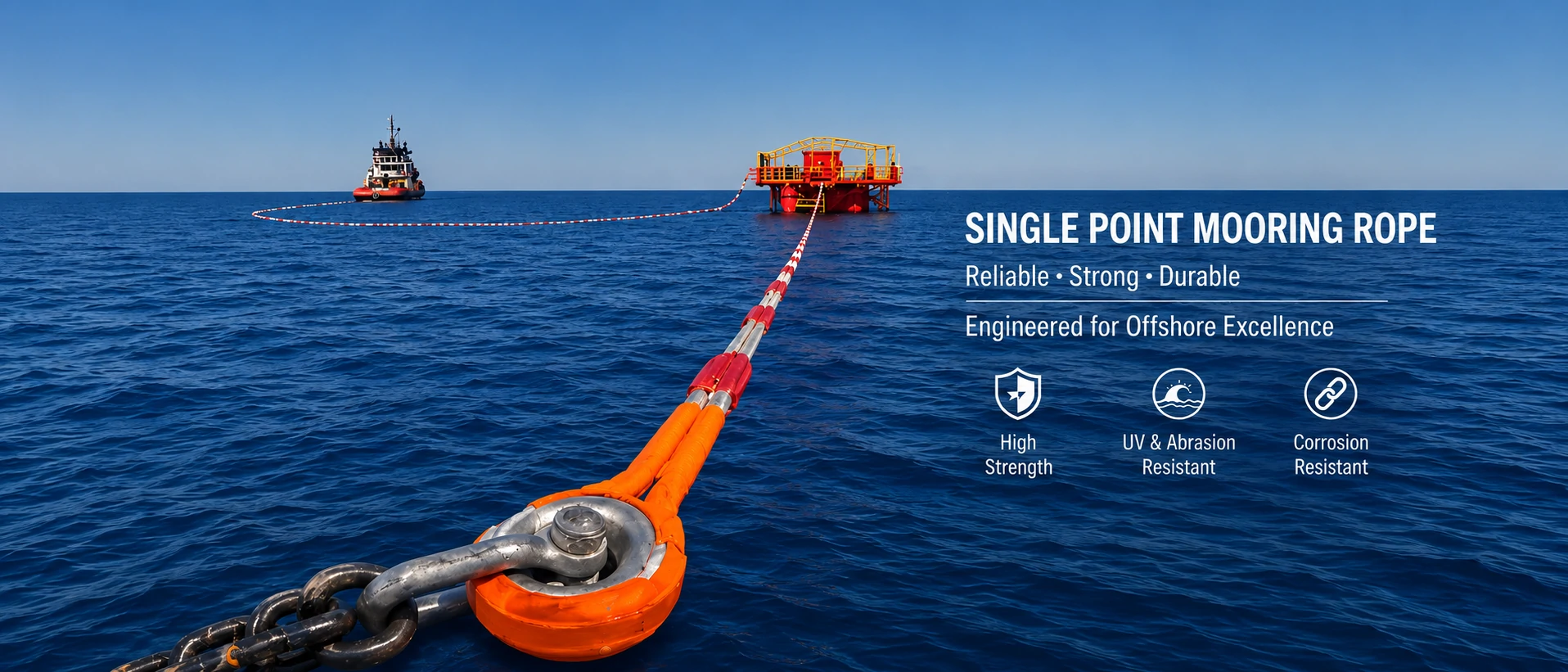
Offshore buoy-based tanker loading mooring system for safe and efficient hydrocarbon transfer operations.
SPM systems allow vessels to weathervane around a fixed buoy under dynamic environmental conditions including waves, wind, and current.
Key application: Offshore loading terminals, tanker berthing systems
What is SPM?
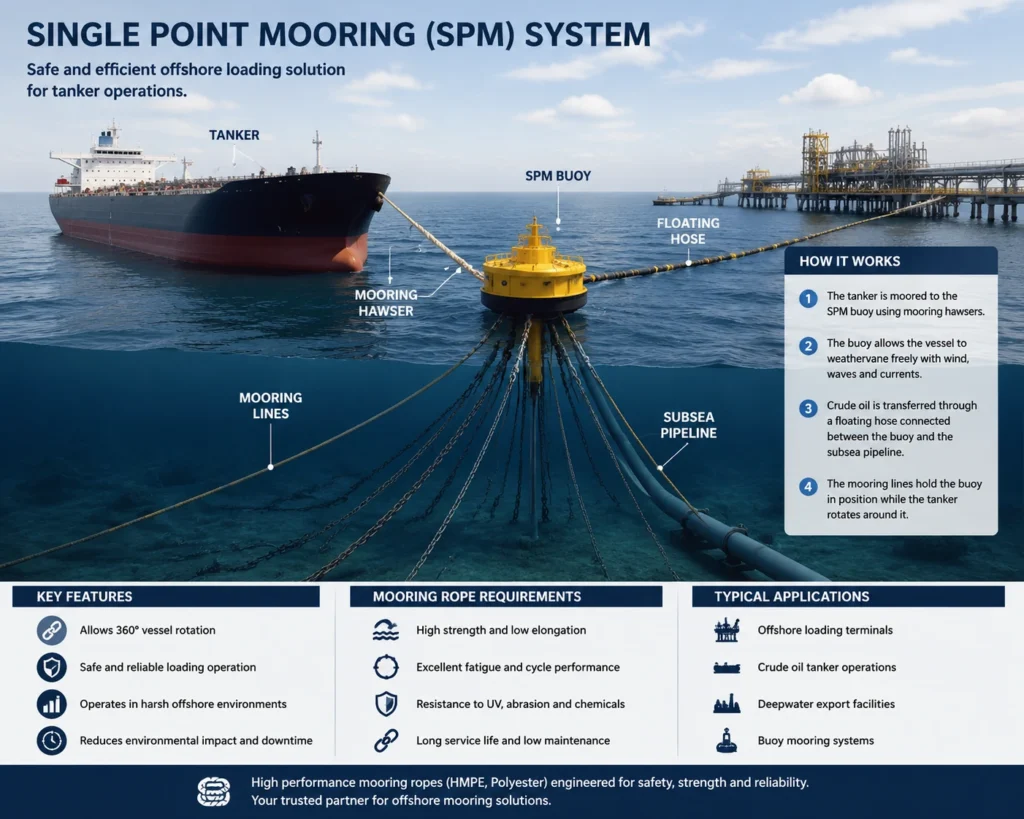
Single Point Mooring (SPM) is a marine loading system that enables tankers to moor at a single buoy point and rotate freely with environmental forces, ensuring continuous and safe cargo transfer operations in offshore terminals.
How SPM System Works
High Strength
Exceptional strength with reduced weight.
Marine Durability
Excellent resistance to abrasion, UV and seawater.
Reliable Performance
Low elongation for precise load control.
Custom Engineering
Tailored rope solutions for offshore projects.
Performance Requirements for SPM Mooring Hawsers
SPM mooring systems operate under highly dynamic offshore conditions where vessels are continuously exposed to wind, wave, and current forces. Mooring ropes must maintain stability, safety, and fatigue resistance throughout repeated loading cycles.
① Dynamic Load Resistance
SPM systems involve continuous vessel movement around a buoy, resulting in fluctuating tension loads on the mooring line. Ropes must absorb variable forces without structural degradation.
Engineering impact: prevents premature rope failure under cyclic loading
② Fatigue & Cyclic Loading Performance
Mooring ropes are exposed to long-term repetitive stress caused by waves and vessel rotation. Fatigue resistance is critical to ensure long service life in offshore environments.
Engineering impact: extends operational lifespan and reduces replacement frequency
③ Shock Load Absorption
Sudden environmental changes such as wave impact or vessel drift can generate peak loads. Ropes must absorb energy without sudden failure.
Engineering impact: improves operational safety during extreme conditions
④ UV & Seawater Resistance
Continuous exposure to marine environments requires materials that resist UV degradation, saltwater corrosion, and chemical exposure.
Engineering impact: maintains long-term material integrity
⑤ Low Elongation Control
Controlled elongation ensures vessel stability during loading operations and prevents excessive movement at the mooring point.
Engineering impact: improves positioning accuracy and operational safety
⑥ Long Service Life Requirement
SPM systems are often deployed in offshore terminals where maintenance is costly and difficult. Ropes must maintain performance over long service cycles.
Engineering impact: reduces downtime and operational cost
Why Nylon is the Preferred Material for SPM Hawsers
High Energy Absorption
Absorbs dynamic vessel motion during loading operations.
Excellent Elastic Recovery
Maintains stable mooring performance after repeated loading cycles.
Proven Offshore Reliability
Widely used in conventional CALM buoy systems worldwide.
Long Service Life
Designed for harsh offshore environments and repetitive cyclic loading.
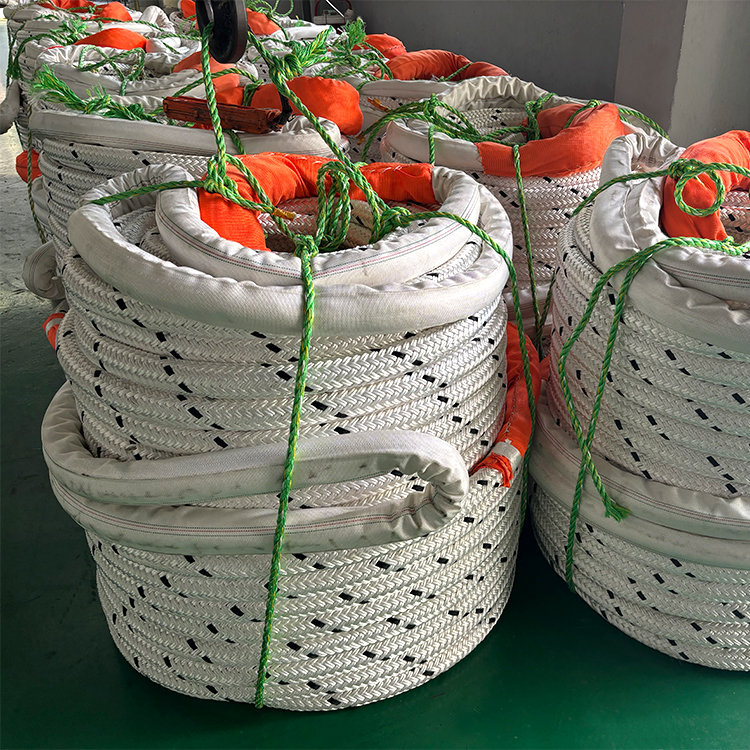
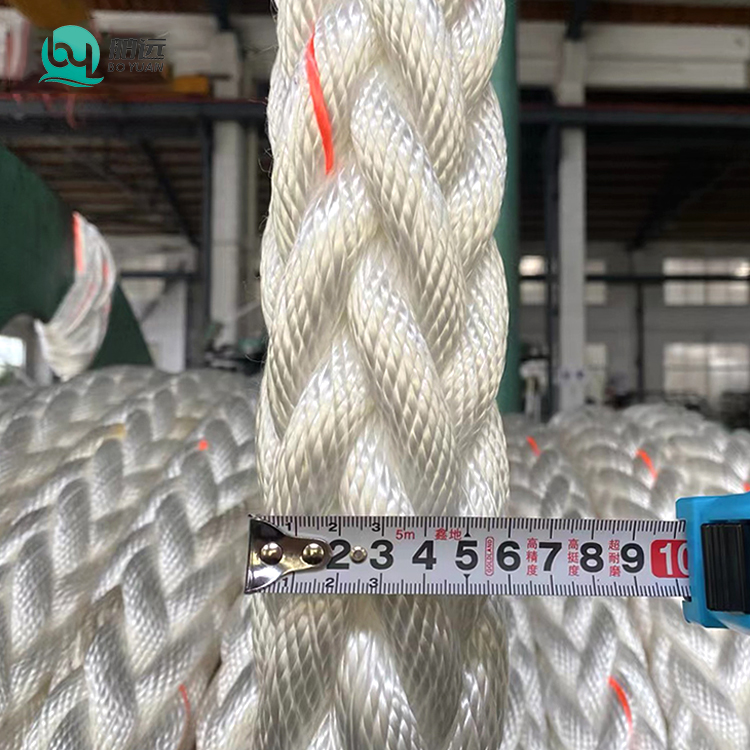
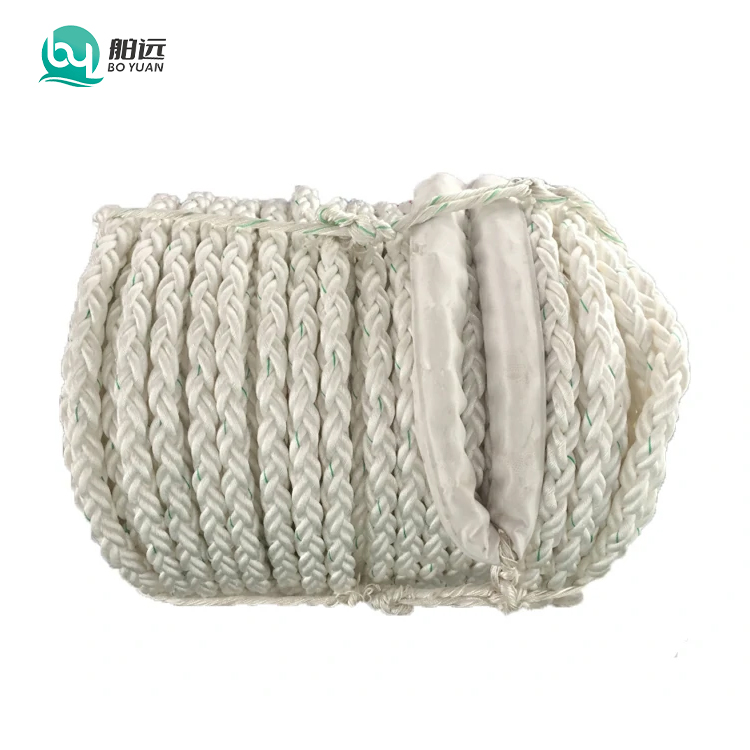
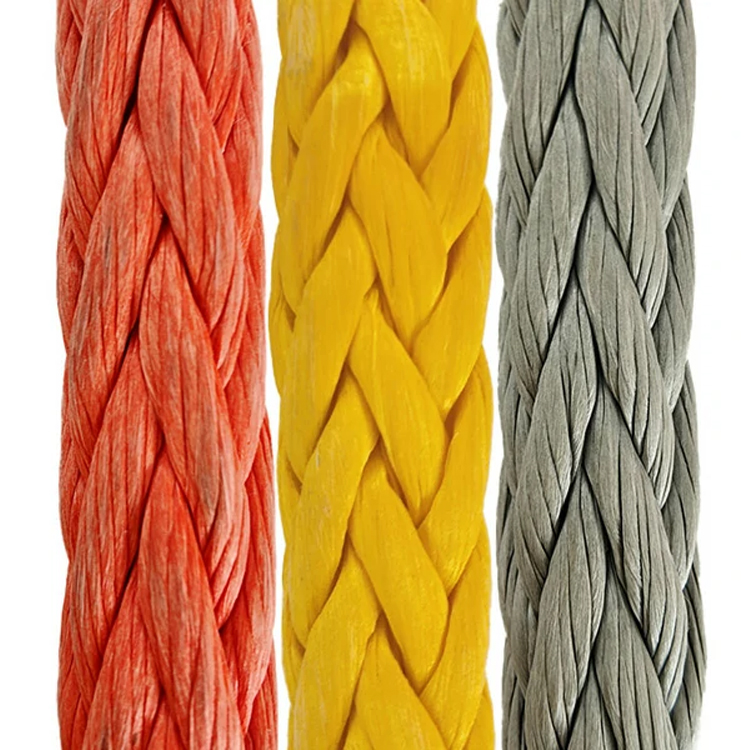
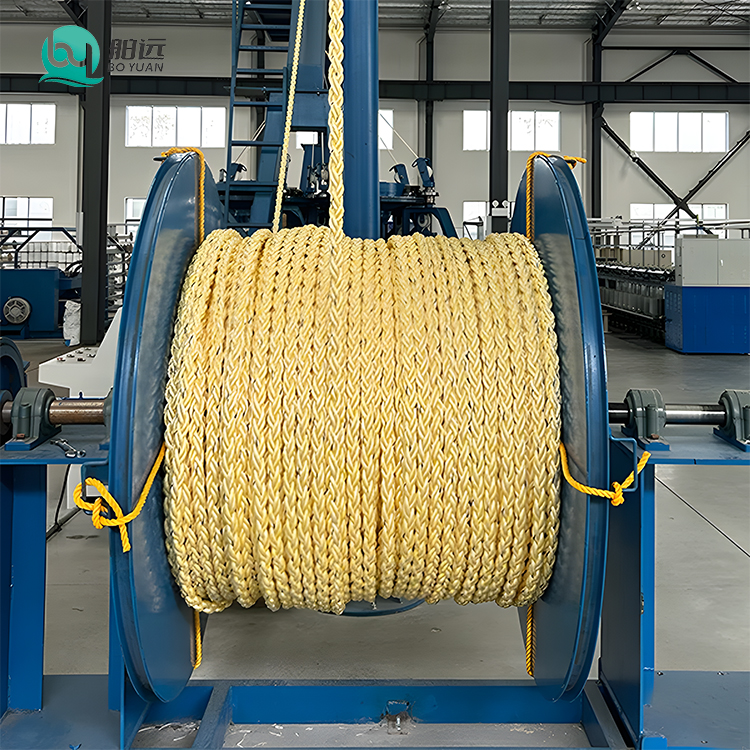
SPM Hawser Construction
Typical SPM Installations
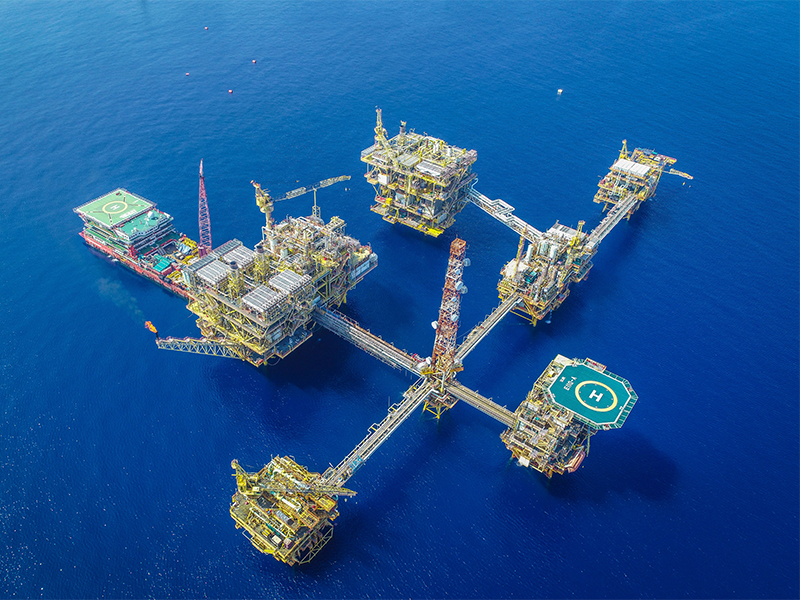
Offshore Oil Terminals
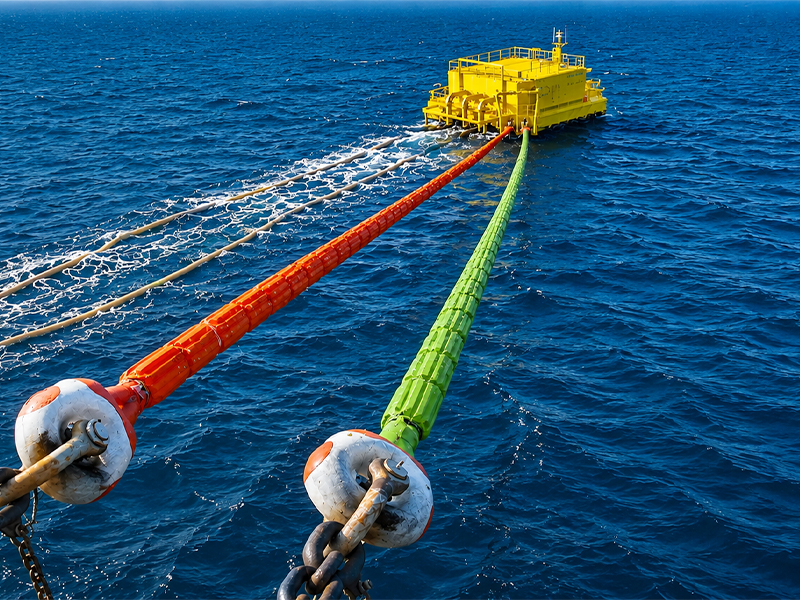
CALM Buoy Systems
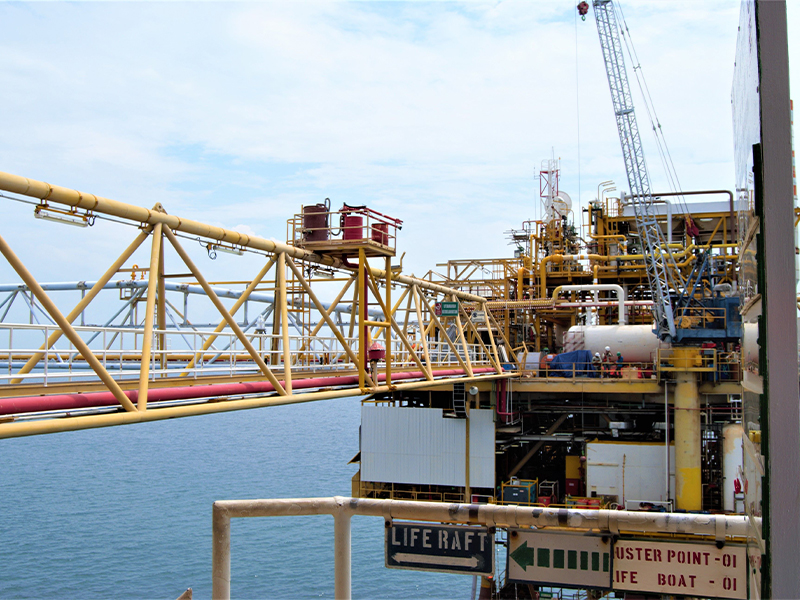
Offshore Loading Facilities
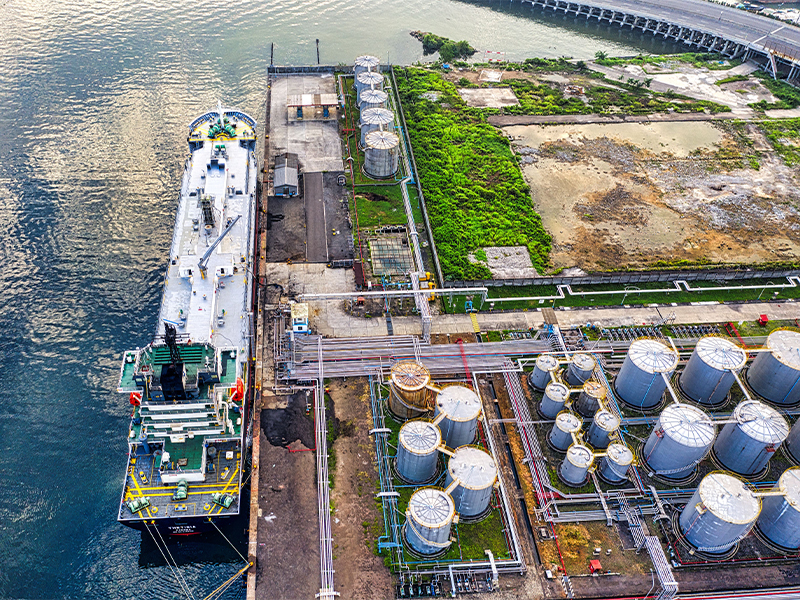
Crude Oil Export Terminals
Technical Specifications
| Item | Value |
|---|---|
| Material | Nylon |
| Construction | 8 Strand, 12 Strand, Double Braided |
| Diameter | 140MM -320MM |
| Circumference | 17.32 inch-39.58 inch |
| Breaking Elongation | 20%-30% |
| Standard | OCIMF |
| Certification | DNV / ABS / BV |
FAQ
1. Why is nylon the preferred material for Single Point Mooring (SPM) hawsers?
Nylon (polyamide) is the industry-standard material for conventional Single Point Mooring (SPM) hawsers because of its excellent energy absorption and elastic recovery. During tanker loading operations, vessels are continuously affected by waves, wind, and currents, creating dynamic loads on the mooring system. Nylon’s high elongation helps absorb these shock loads, reducing peak forces transmitted to the buoy, tanker, and associated equipment while improving operational safety.
2. What standards do SPM hawsers comply with?
SPM hawsers are typically manufactured in accordance with internationally recognized offshore mooring standards. The most widely referenced guideline is the OCIMF Recommendations for Equipment Employed in the Bow Mooring of Conventional Tankers at Single Point Moorings, which specifies design, testing, inspection, and operational requirements for SPM hawsers.
Depending on project specifications, additional testing and inspection procedures may also follow relevant classification society requirements.
3. Can you manufacture customized SPM hawser assemblies?
Yes. We provide customized SPM hawser solutions based on project-specific operational requirements.
Customization options include:
- Rope diameter and circumference
- Working length
- Eye configurations
- Chafe chain integration
- Pick-up rope assemblies
- Protective covers
- End fittings and accessories
Each assembly can be engineered to match the customer’s mooring system design and operational conditions.
4. What certifications are available?
SPM hawsers can be supplied with third-party inspection and certification upon request.
Available certification options include:
- DNV
- ABS
- BV
- LR
- CCS
- RINA
- NK
Material certificates, proof load test reports, and inspection documentation can also be provided according to project requirements.