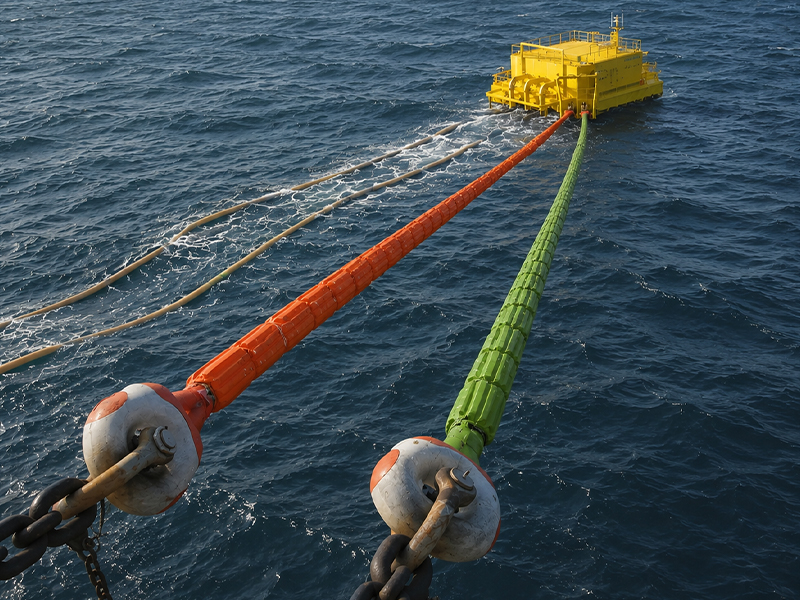
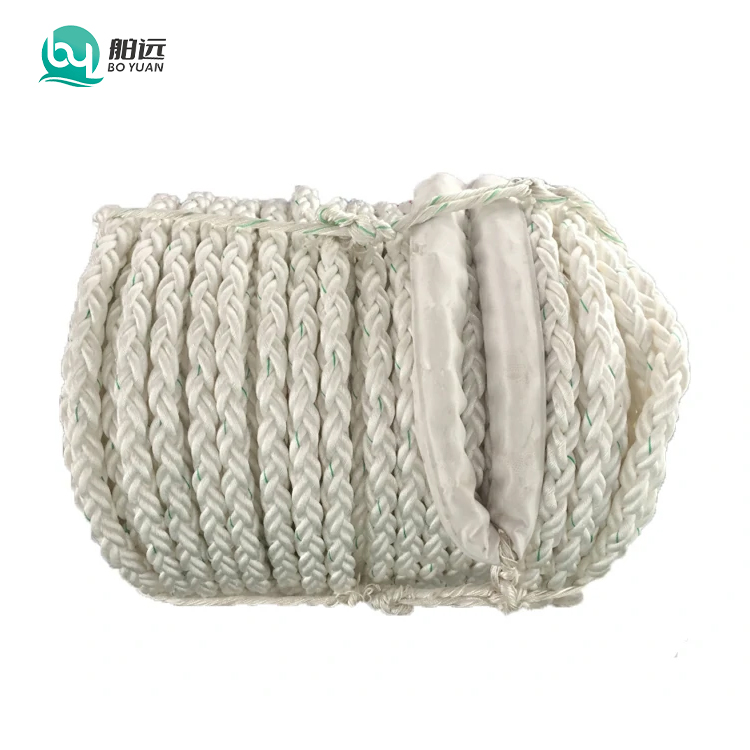
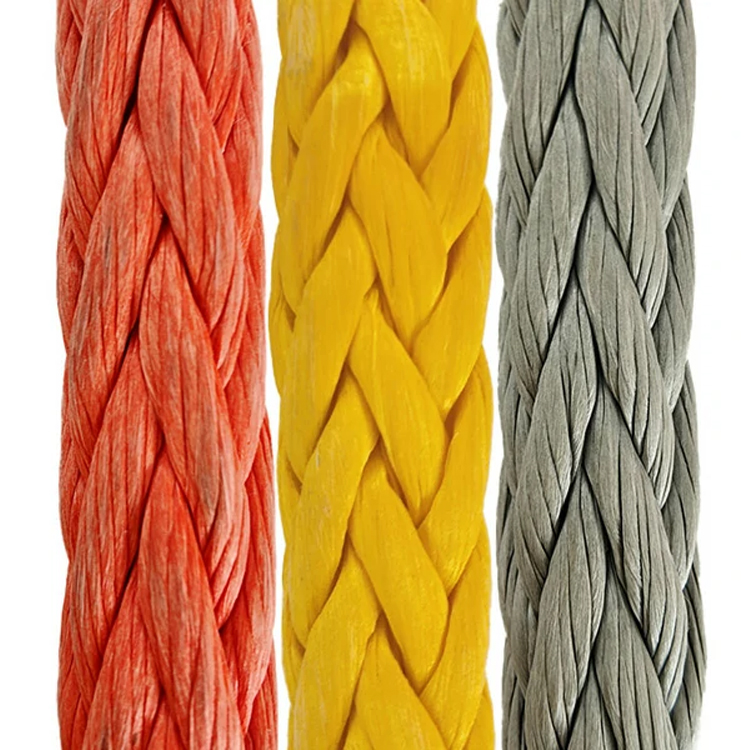
Offshore Loading Rope Solutions
High-performance synthetic ropes engineered for safe and efficient offshore loading operations.
Supporting offshore cargo transfer with superior strength, durability, and reliable performance under harsh marine environments.
What is Offshore Loading?
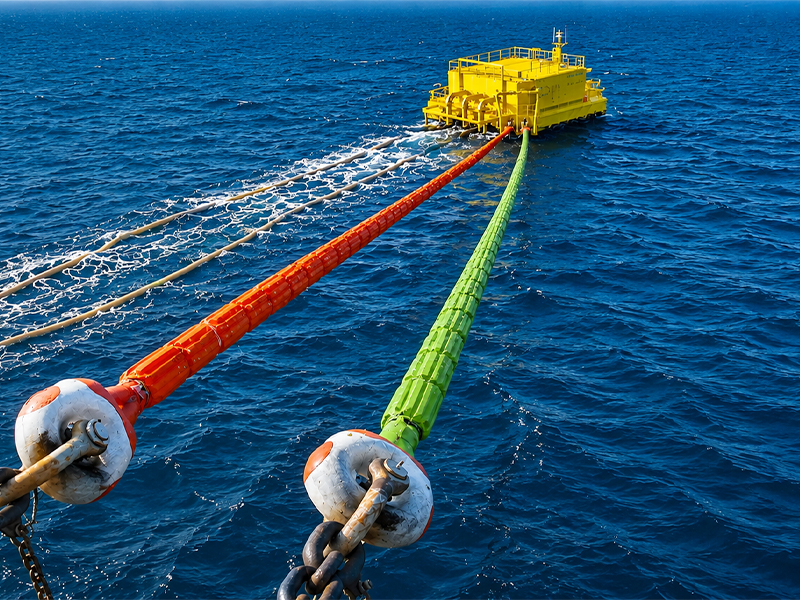
Offshore loading refers to the transfer of crude oil, refined products, LNG, equipment, or supplies between offshore facilities and vessels.
Unlike conventional port operations, offshore loading takes place in open-water environments where waves, wind, and vessel movement create continuous dynamic loads on mooring and handling equipment.
Reliable synthetic ropes help maintain vessel positioning, improve operational safety, and reduce handling risks throughout loading operations.
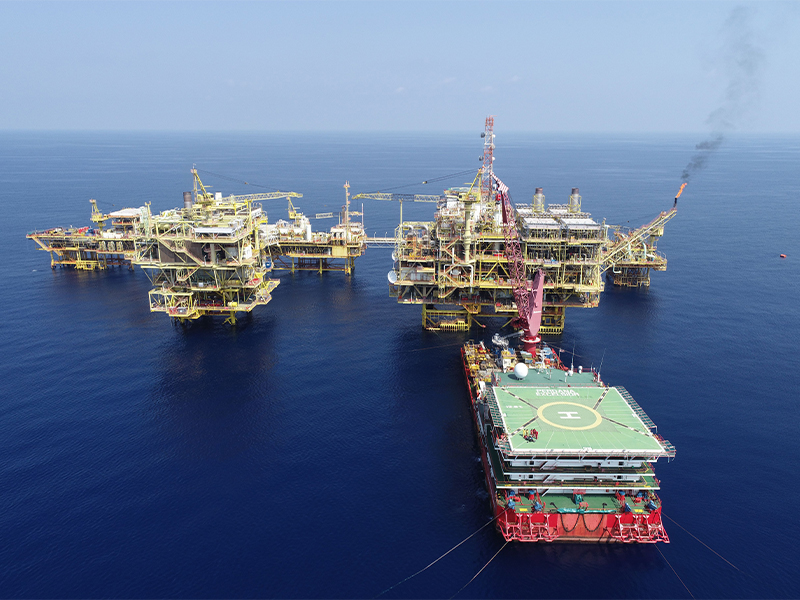
Typical Offshore Loading Operations
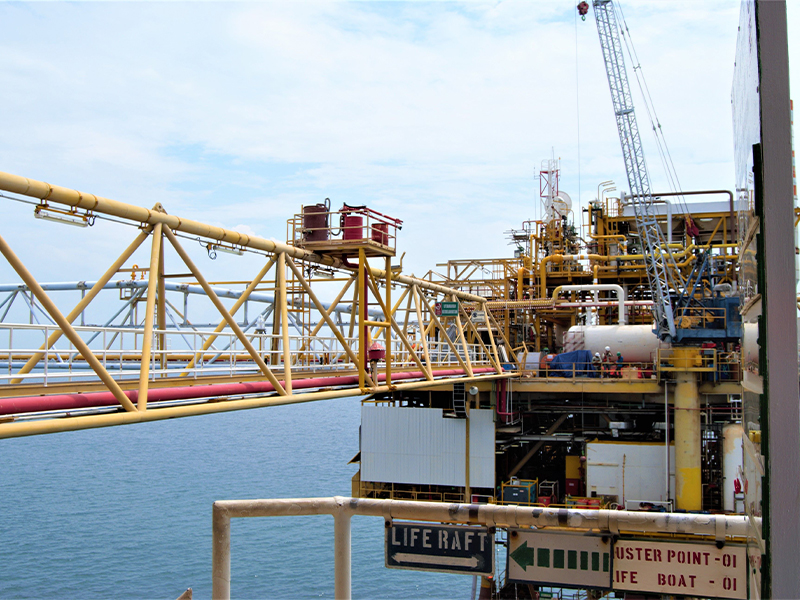
FPSO Offloading
Transfer crude oil from FPSO to shuttle tankers.
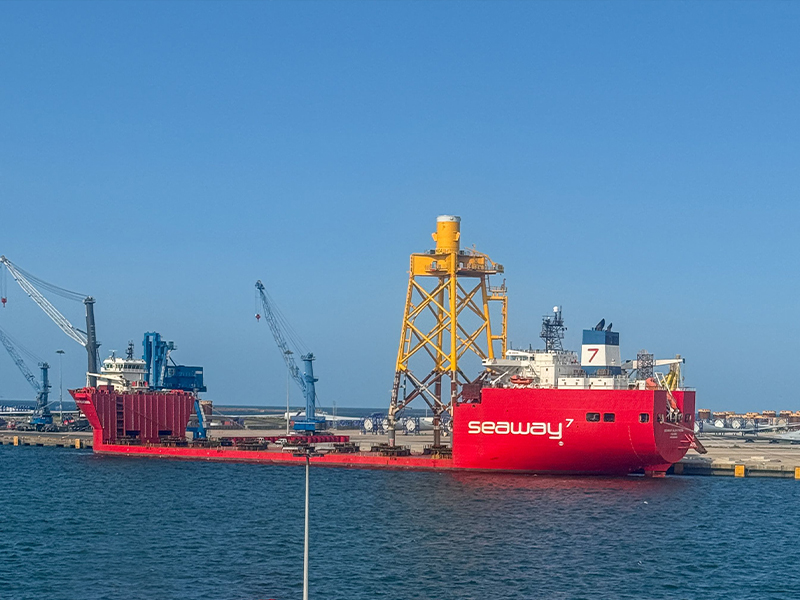
Offshore Supply Vessels
Loading equipment and supplies to offshore platforms.
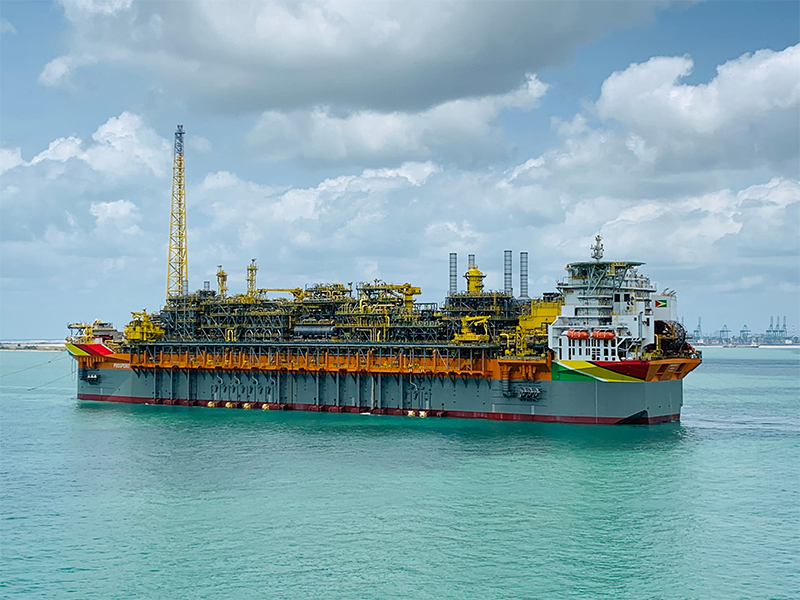
Floating Storage Units
Cargo transfer between floating facilities.
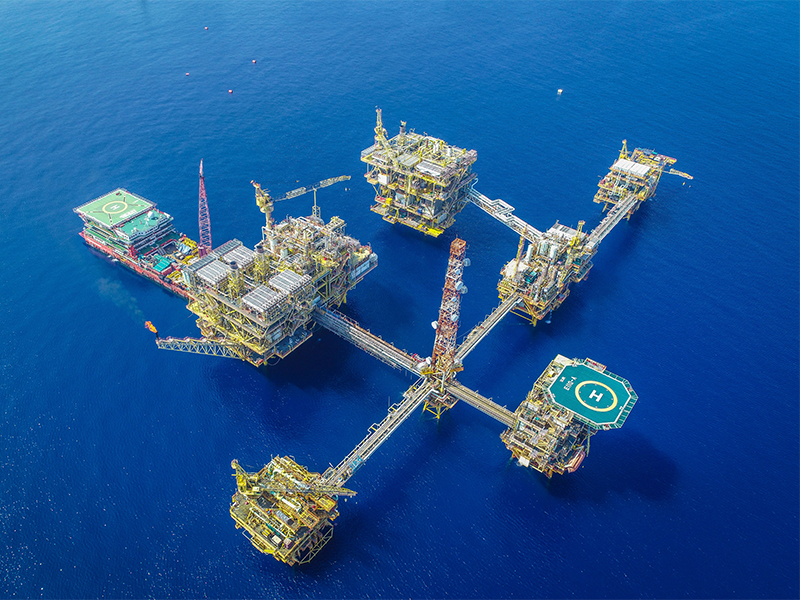
Offshore Terminal Operations
Ship-to-terminal loading under offshore conditions.
Engineering Advantages
High Strength
Designed for heavy-duty offshore operations.
Excellent Abrasion Resistance
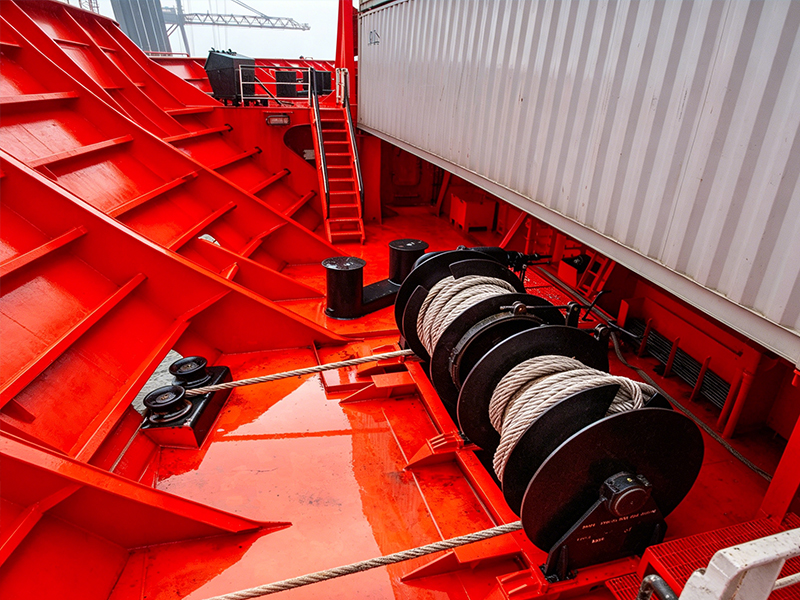
Withstands repeated contact with fairleads and deck equipment.
Easy Handling
Lightweight synthetic ropes improve operational efficiency.
Marine Durability
Outstanding resistance to UV, seawater, and harsh offshore environments.
Performance Requirements for Offshore Loading Ropes
High Strength
Supports heavy loading forces while maintaining operational safety.
Engineering impact
Reliable cargo transfer under demanding offshore conditions.
Controlled Elongation
Maintains vessel positioning during loading.
Engineering impact
Improves transfer accuracy.
Abrasion Resistance
Repeated contact with deck equipment requires durable rope construction.
Engineering impact
Extends service life.
Shock Load Performance
Absorbs dynamic loading generated by waves and vessel movement.
Engineering impact
Improves operational safety.
Weather Resistance
Continuous exposure to UV radiation and seawater.
Engineering impact
Maintains long-term performance.
Easy Handling
Low-weight synthetic ropes reduce manpower requirements.
Engineering impact
Improves loading efficiency.
Rope Selection Guide for Offshore Loading
Loading Scenario | Recommended Rope |
|---|---|
Dynamic tanker loading | Nylon Rope |
Heavy cargo transfer | HMPE Rope |
Permanent offshore terminal | Polyester Rope |
General marine loading | PP & Polyester Rope |
Nylon Rope — Best for dynamic loading and shock absorption.
HMPE Rope — Best for high-strength, lightweight cargo transfer operations.
Polyester Rope — Best for long-term offshore loading terminals.
PP & Polyester Rope — Best for cost-effective general marine loading.
Technical Specifications
| Item | Value |
|---|---|
| Materials | Nylon / HMPE / Polyester |
| Construction | 8 Strand / 12 Strand |
| Diameter | Custom |
| Breaking Strength | According to Project |
| Certification | DNV / ABS / BV |
FAQ
1.What ropes are used for offshore loading operations?
Synthetic ropes such as nylon, polyester, and HMPE are commonly used depending on the operational requirements. Nylon provides excellent energy absorption, polyester offers outstanding durability for long-term service, while HMPE delivers exceptional strength with very low weight.
2. Why are synthetic ropes preferred over steel wire ropes?
Synthetic ropes are lighter, easier to handle, corrosion-resistant, and safer during offshore operations, helping improve operational efficiency and reduce maintenance requirements.
3. Which rope material is best for offshore loading?
The most suitable material depends on the application:
- Nylon – Dynamic loading and shock absorption.
- Polyester – Long-term durability and stable positioning.
- HMPE – Lightweight handling and very high strength.
4. Can offshore loading ropes be customized?
Yes. Rope diameter, construction, eye splices, protective sleeves, and end terminations can all be tailored to meet project-specific requirements.
5. What certifications are available?
Third-party certification from organizations such as DNV, ABS, BV, LR, CCS, and RINA can be provided upon request, subject to your actual capabilities.