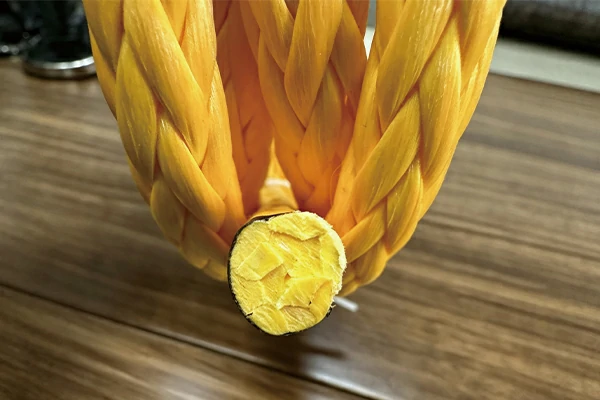
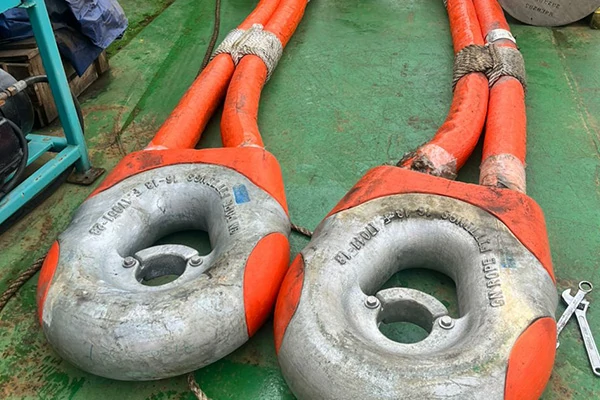
Description
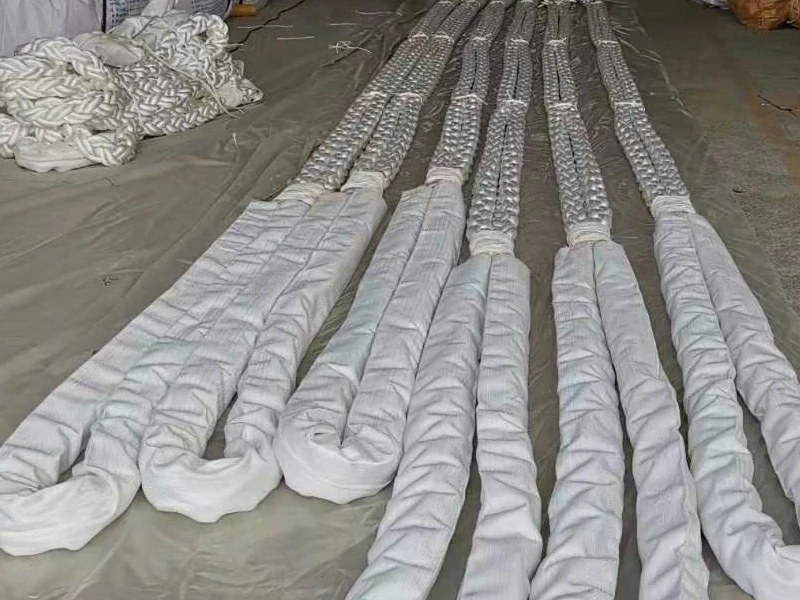
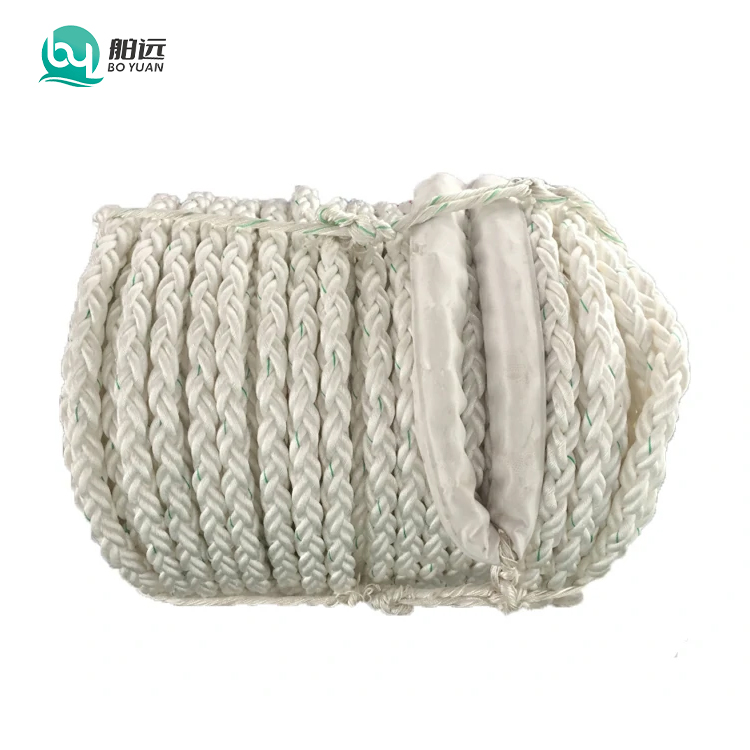
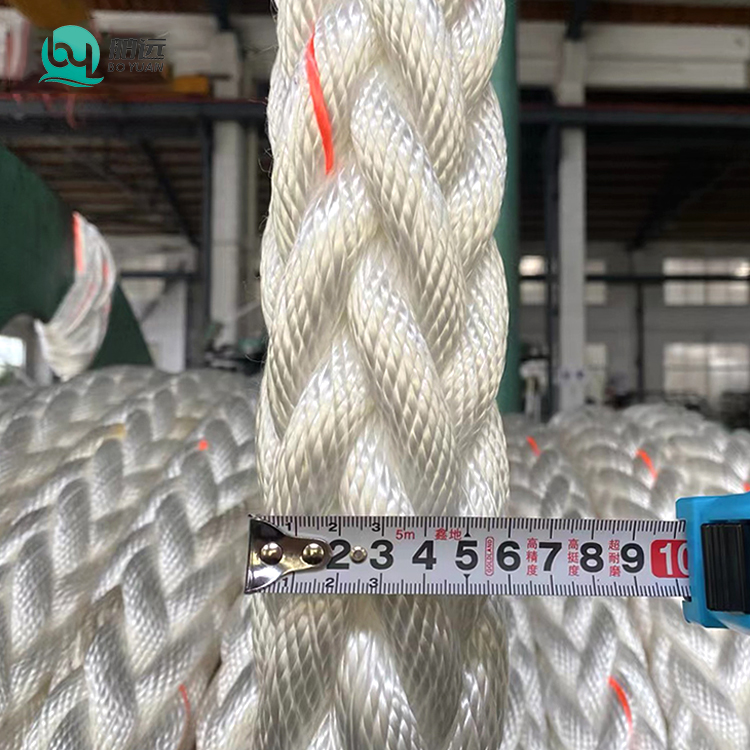
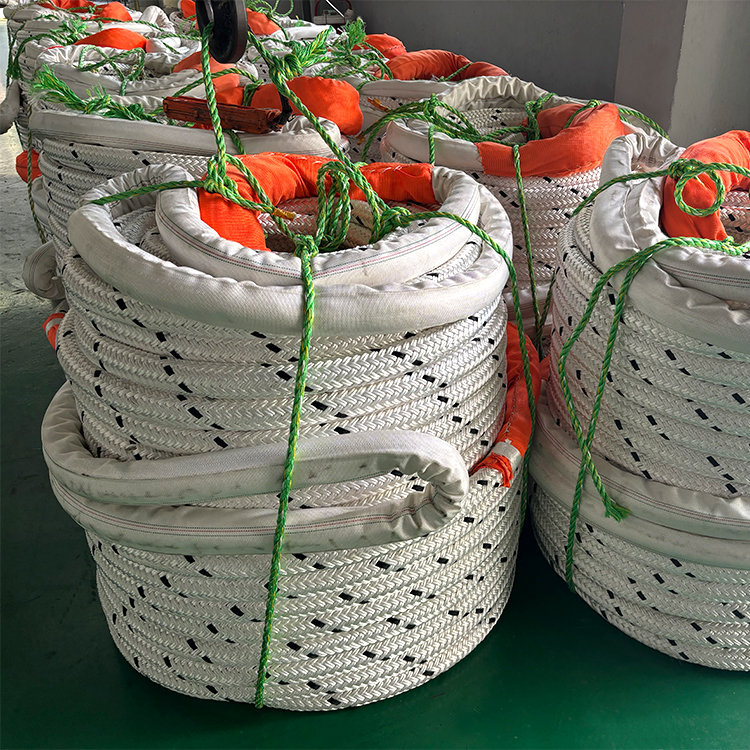
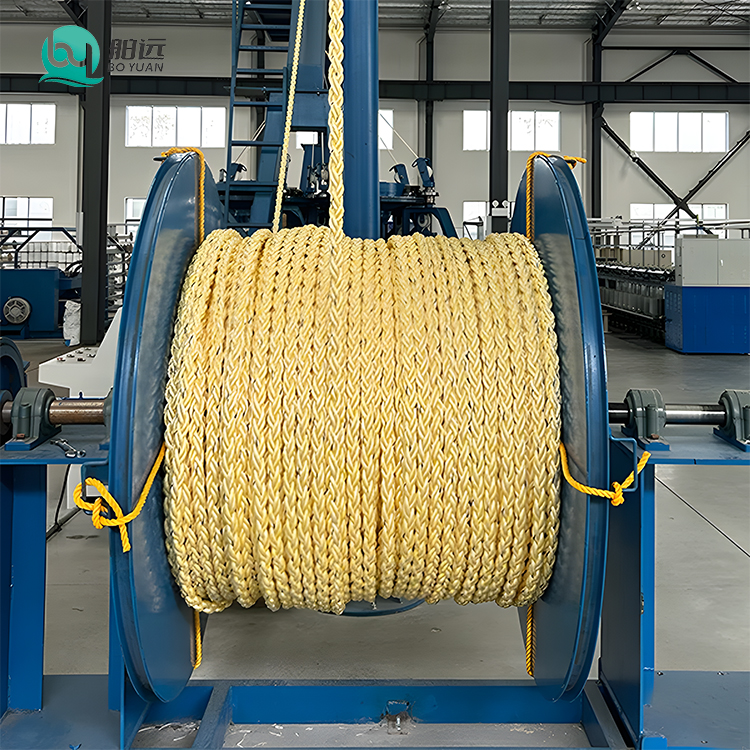
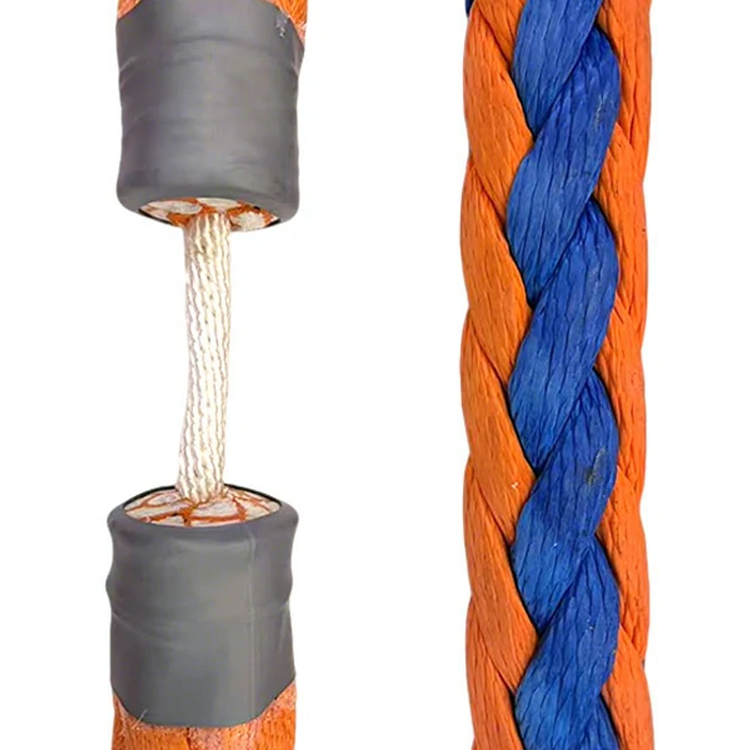
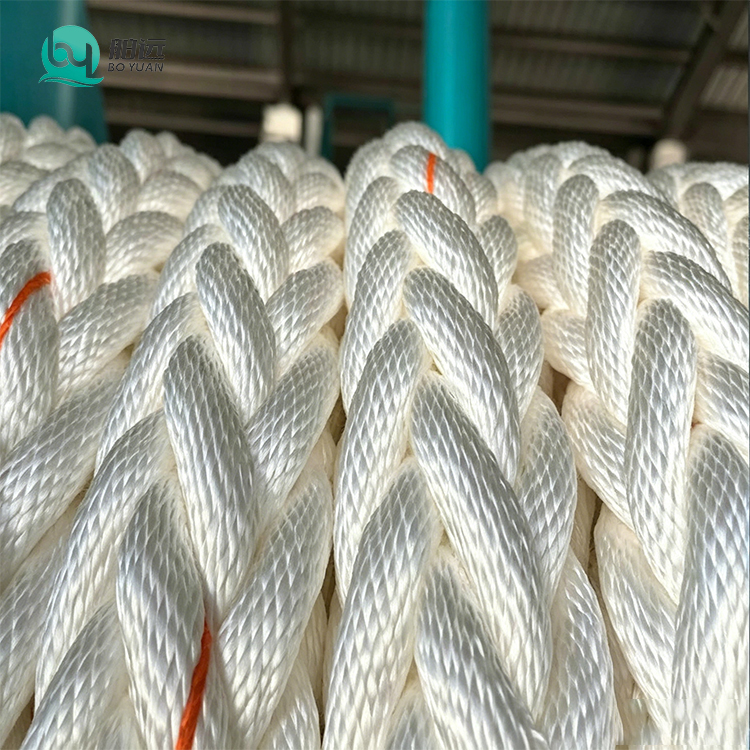
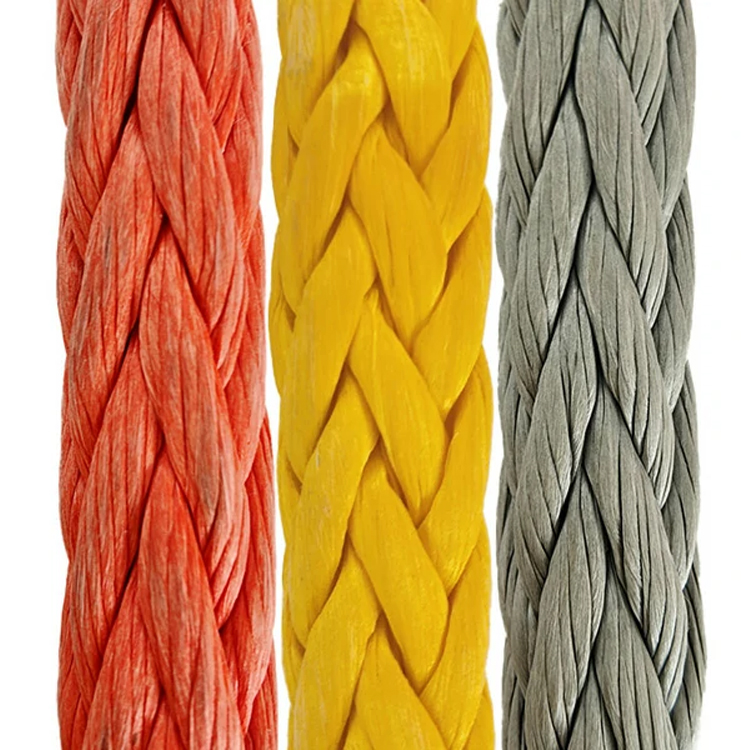
Mooring tails, also known as mooring pennants, are flexible, high-stretch lines attached to the end of mooring lines. They help absorb shock loads that vessels experience due to wind, waves, or tidal shifts. Typically made from materials like nylon or polyester, mooring tails are designed to offer greater elasticity compared to standard mooring lines, making them especially useful in dynamic marine environments.
Feature
- Density: <1.0 floating
- Melting point: 165℃/260℃
- Elongation: 12%-17%
- Abrasion resistance: excellent
- UV resistance: good
- Chemical resistance: good
Application
ship, ocean transportation, port towing, oil tankers, chemical tankers, large bulk carries, offshore fishing and other fields.
Types
Mooring tails come in various materials and lengths, with nylon being a common choice for its superior stretch. Polyester mooring tails, although less elastic, offer better durability and are more resistant to UV degradation, making them ideal in sunny regions.
Technical Data
Polypropylene & Polyester Mixed Mooring Tails
| Size | Weight | MBL(Spliced) | LDBF(Spliced) | ||||
|---|---|---|---|---|---|---|---|
| Dia.mm | Cir.inch | Length. M | KG | kN | ton | kN | ton |
| 64 | 8″ | 11 | 36 | 741 | 75.6 | 667 | 68.1 |
| 68 | 8-1/2″ | 11 | 41 | 833 | 85.0 | 750 | 76.5 |
| 72 | 9″ | 11 | 45.5 | 926 | 94.5 | 833 | 85.0 |
| 80 | 10″ | 11 | 56 | 1129 | 115.2 | 1016 | 103.7 |
| 88 | 11″ | 11 | 67.5 | 1361 | 138.9 | 1225 | 125.0 |
| 96 | 12″ | 11 | 80.5 | 1607 | 164.0 | 1446 | 147.6 |
| 104 | 13″ | 11 | 95 | 1865 | 190.3 | 1679 | 171.3 |
| 112 | 14″ | 11 | 109 | 2159 | 220.3 | 1943 | 198.3 |
| 120 | 15″ | 11 | 126 | 2464 | 251.4 | 2218 | 226.3 |