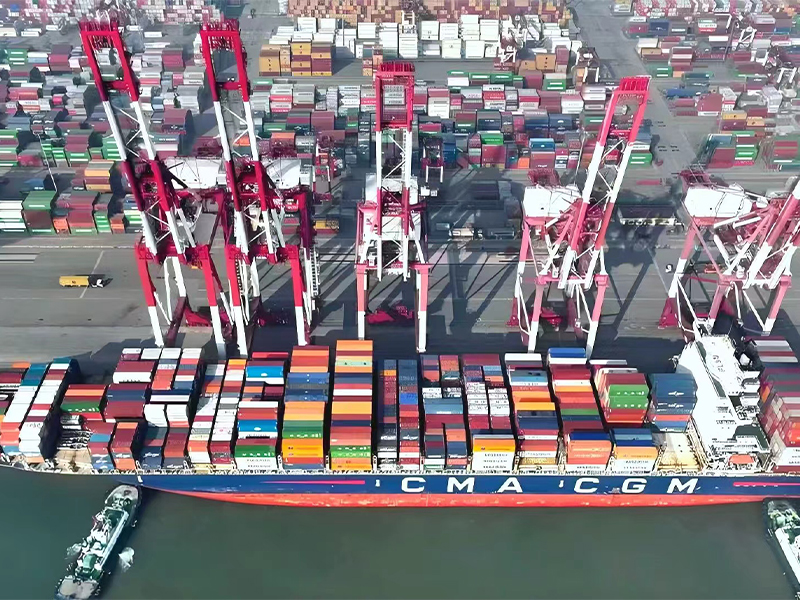
The rise of FPSOs has changed the landscape of marine operations. As these vessels grow larger, traditional steel wire ropes become heavier, harder to install, and more costly to maintain. I want to share five key factors to consider when selecting HMPE mooring ropes.
Choosing the right HMPE rope for FPSO mooring is crucial. Factors such as break strength, rope structure[^1], environmental application, service life, and end termination[^2] can significantly impact performance.
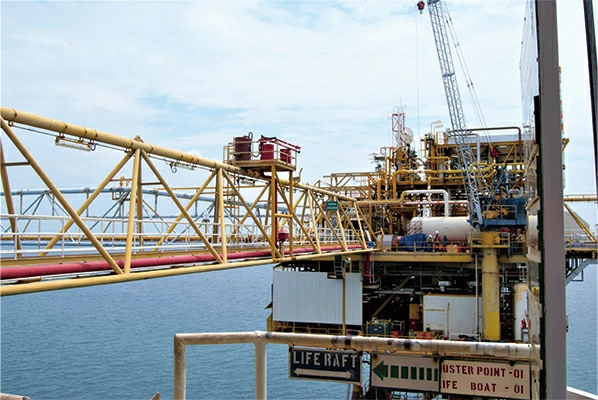
The right HMPE rope can enhance safety, efficiency, and overall performance of FPSOs. Understanding the details of your specific requirements is important to make the best decision.
What is the importance of break strength in HMPE rope?
The first thing to consider when selecting hmpe rope for FPSO mooring is break strength. This is a critical factor that ensures the safety of your operations.
Break strength refers to the maximum load that the rope can handle before it fails. For FPSOs, using a rope with an adequate break strength guarantees that it can withstand harsh marine conditions[^3].
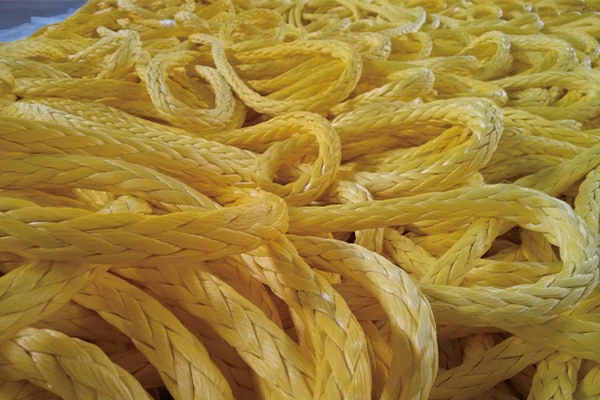
When I first encountered HMPE ropes, I was surprised by how much lighter they were than steel wire ropes. But more importantly, they had similar strength. This means that I could use a lighter rope without sacrificing safety.
The break strength of HMPE ropes can vary, so it is crucial to select a rope that meets the specifications of your FPSO. The minimum break strength should be determined based on the vessel's operational requirements and the environmental stresses it will face.
How does rope structure affect performance?
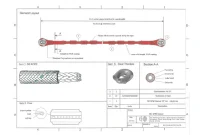
Another important factor is the rope structure. There are different types of HMPE ropes, like 12-strand HMPE rope, jacketed HMPE rope, and parallel strand rope. Each has its own advantages.
The rope structure impacts flexibility, handling, and durability. For example, 12-strand HMPE rope is known for its high strength-to-weight ratio and flexibility, making it easy to handle on deck.
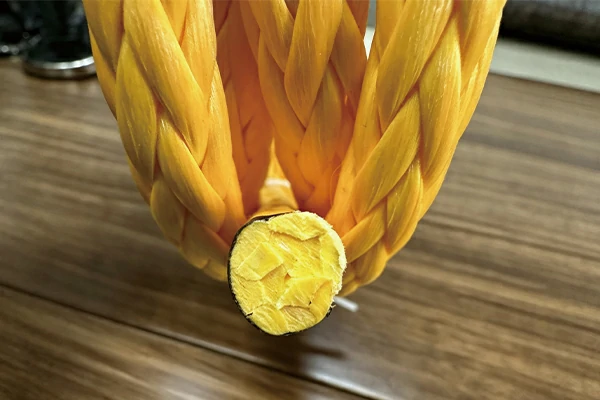
In my experience, I found that the structure of the rope directly influenced how well it performed under tension. Jacketed ropes offer additional protection against abrasion and UV damage. This can be crucial in offshore environments where wear and tear can quickly degrade equipment.
When selecting your HMPE rope, consider the structure that best suits your operational needs. Understand the trade-offs between different types of ropes and choose one that balances flexibility, strength, and durability.
What environmental factors should you consider?
The application environment plays a vital role in the choice of HMPE mooring rope. Different environments can expose the rope to various stresses, such as abrasion, UV rays, or chemicals.
When selecting HMPE rope, consider factors like water salinity, temperature, and potential for exposure to harmful substances. This will ensure the rope performs well in its specific environment.
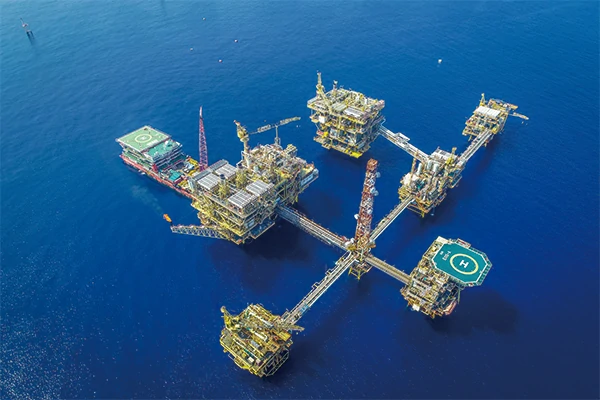
I remember a project where we used HMPE rope in a particularly harsh environment. We had to ensure that the rope could withstand not just the weight of the vessel but also the corrosive effects of saltwater.
Choosing a rope that can handle the specific environmental conditions of your operation can extend its lifespan and improve safety. Therefore, thoroughly assess the operating environment before making your selection.
How does service life influence your choice?
Service life is another important consideration. The longevity of the rope affects overall costs and maintenance schedules.
Selecting HMPE rope with a longer service life means fewer replacements and reduced downtime for your vessel. This is especially important for FPSOs that operate continuously in demanding conditions.
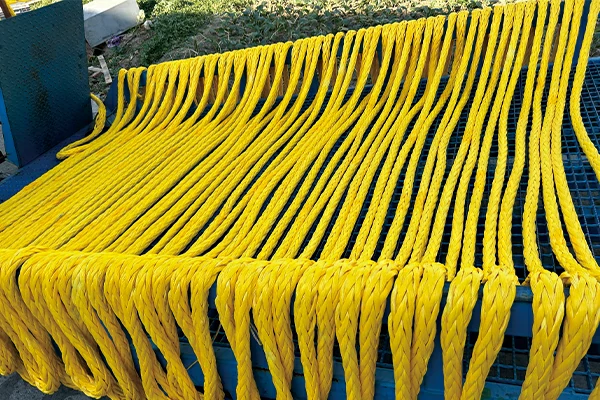
In my projects, I noticed that choosing higher quality HMPE ropes[^4] paid off in the long run. They lasted longer and required less frequent replacements, ultimately saving on operational costs.
When you select HMPE rope, pay attention to the manufacturer’s specifications regarding service life. Compare the warranties offered and look for ropes that are known for their durability in the field.
Why is end termination crucial for HMPE ropes?
Lastly, consider the end termination options. Proper end terminations ensure the effective transfer of loads and can significantly influence safety.
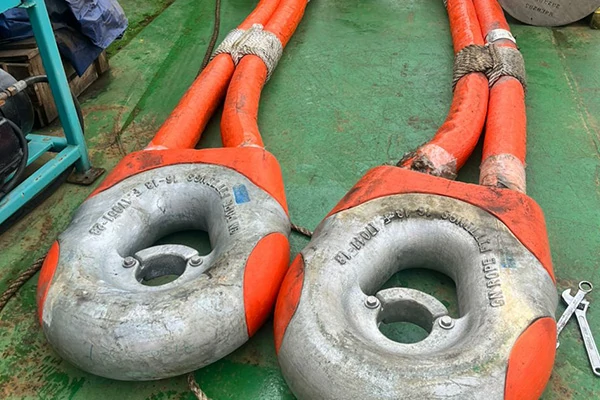
Common end termination methods include eye splice, soft eye, thimble eye, socket, and shackle connections. Each has its own strengths and weaknesses that can impact the overall performance of the mooring system[^5].
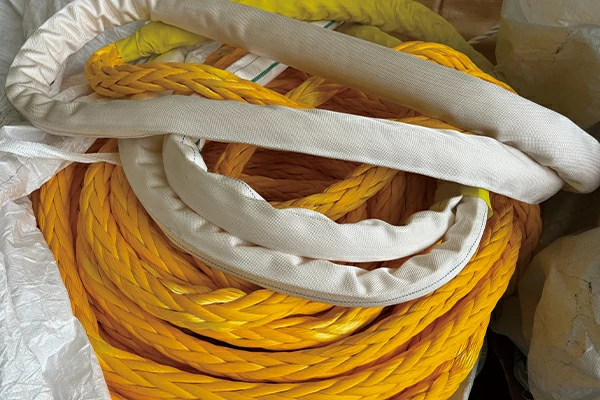
From my experience, using the right end termination can prevent failures in mooring operations. For instance, a thimble eye can provide added protection and reduce wear on the rope, whereas a shackle connection offers flexibility in connecting to various equipment.
When selecting HMPE rope for FPSOs, ensure that the end termination method aligns with your operational needs. This can help enhance the overall safety and effectiveness of your mooring system.
Conclusion
In summary, when selecting HMPE rope for FPSO mooring, consider break strength, rope structure, environmental application, service life, and end termination for optimal performance.
[^1]: "[PDF] Damage Tolerance of Synthetic-Fiber Mooring Rope", https://www.bsee.gov/sites/bsee.gov/files/tap-technical-assessment-program/407aa.pdf. Research indicates that the structure of ropes significantly affects their mechanical properties, including flexibility and durability, which are critical for marine applications. Evidence role: mechanism; source type: research. Supports: The rope structure impacts flexibility, handling, and durability.. Scope note: The evidence may not directly correlate with HMPE ropes specifically, but provides insight into rope mechanics.
[^2]: "New evaluation of ship mooring with friction effects on mooring rope ...", https://www.sciencedirect.com/science/article/pii/S2092678221000200. The effectiveness of various end termination methods has been documented in engineering studies, showing their impact on load transfer and safety in mooring systems. Evidence role: case_reference; source type: paper. Supports: Common end termination methods include eye splice, soft eye, thimble eye, socket, and shackle connections.. Scope note: The evidence may not specifically address HMPE ropes but provides context for the importance of end terminations in marine applications.
[^3]: "Mastering Marine Mooring | Hazelett Marine Tips and Insights", https://hazelettmarine.com/mastering-marine-mooring-essential-tips-from-hazelett-marine/. Studies have documented the challenges posed by harsh marine conditions on mooring systems, emphasizing the need for robust materials and designs. Evidence role: case_reference; source type: research. Supports: Using a rope with an adequate break strength guarantees that it can withstand harsh marine conditions.. Scope note: The evidence may not specifically address HMPE ropes but provides context for the challenges faced in marine environments.
[^4]: "The Benefits of Using Synthetic vs. Natural Fiber Ropes in Outdoor ...", https://rightrope.com/blog/-the-benefits-of-using-synthetic-vs-natural-fiber-ropes-in-outdoor-settings/?srsltid=AfmBOoqhGoPSB9ss5wxcZoB_EtWjGFcC5XRClR6B_BtV3mNNDPsVYCv3. Studies have shown that higher quality synthetic ropes tend to have longer service lives and better performance under stress, which can lead to reduced operational costs. Evidence role: statistic; source type: research. Supports: Choosing higher quality HMPE ropes paid off in the long run.. Scope note: The support may not be specific to HMPE ropes but provides a general understanding of quality impacts on rope performance.
[^5]: "(PDF) Design of mooring system for a floating production storage ...", https://www.academia.edu/85424750/Design_of_mooring_system_for_a_floating_production_storage_and_offloading_FPSO_terminal. The design and selection of mooring systems are critical for operational success, as documented in various marine engineering studies. Evidence role: historical_context; source type: paper. Supports: Each has its own strengths and weaknesses that can impact the overall performance of the mooring system.. Scope note: The support may not specifically address HMPE ropes but provides a broader context for mooring system design.