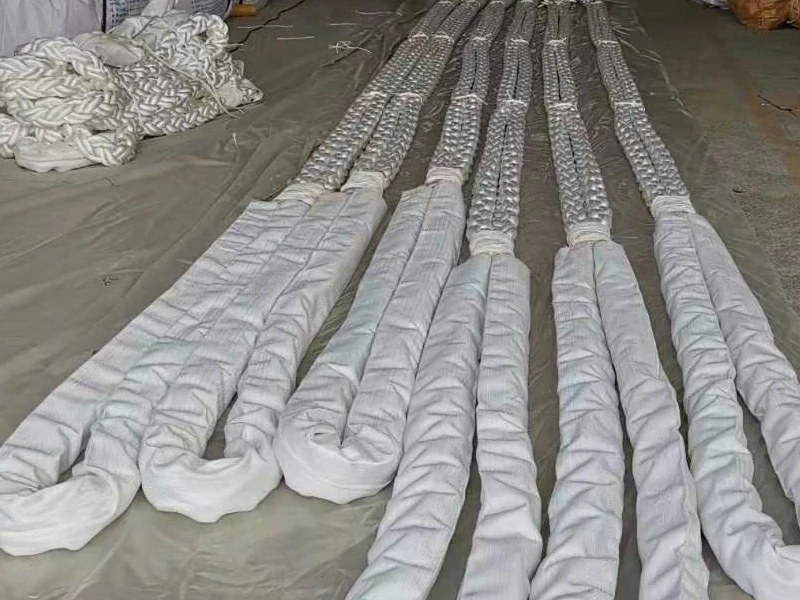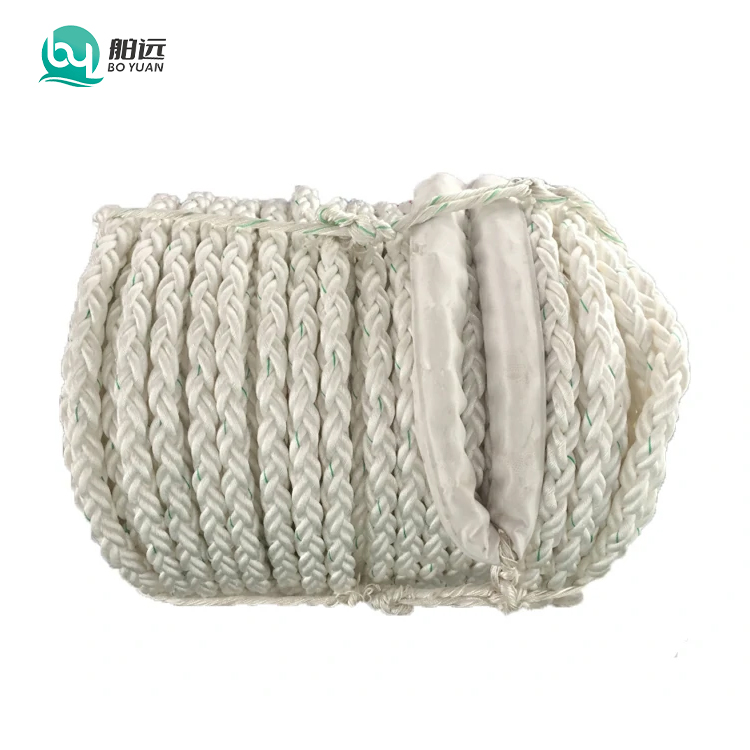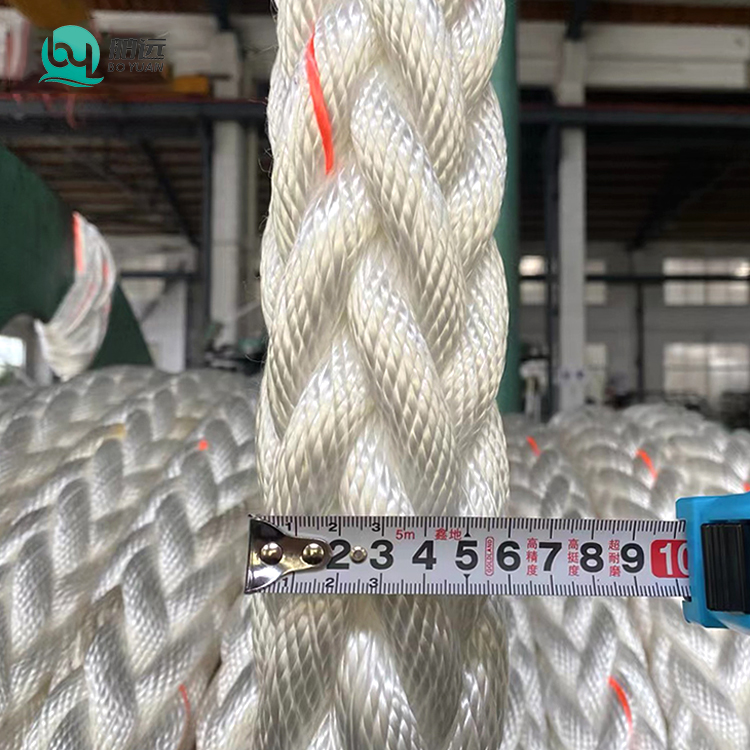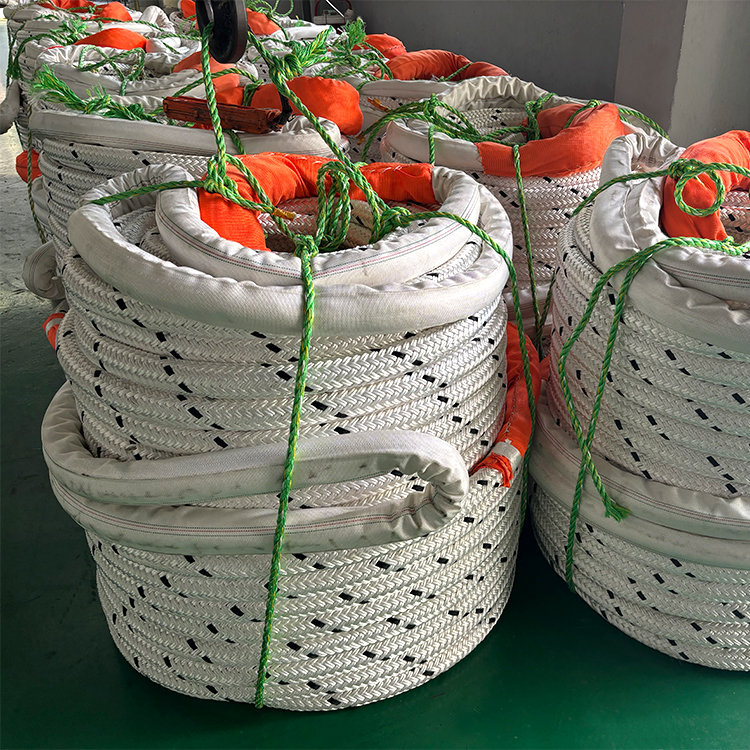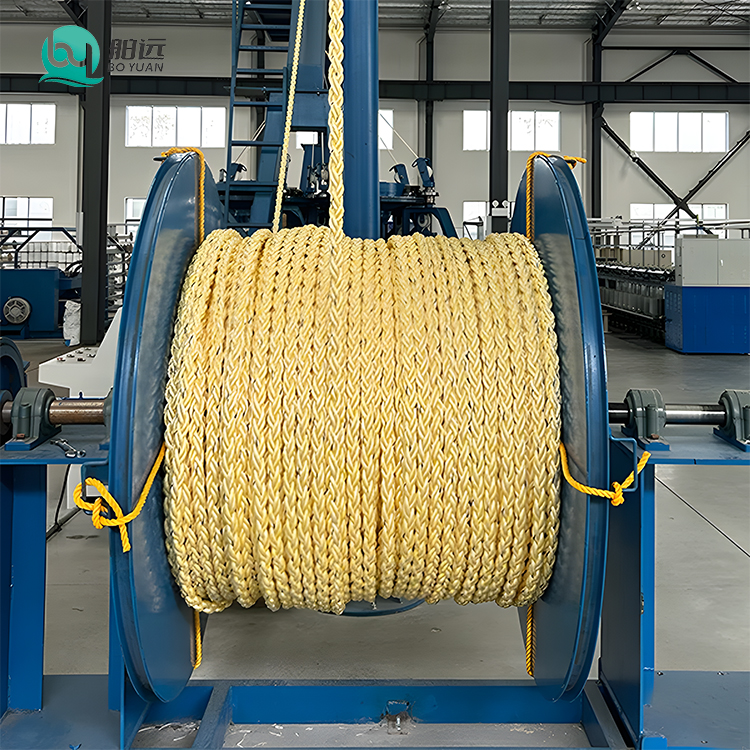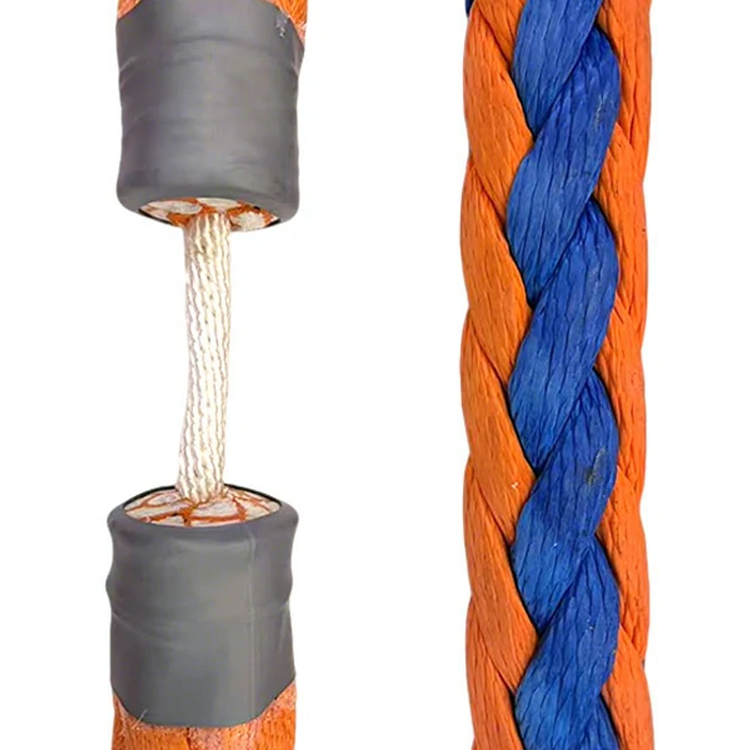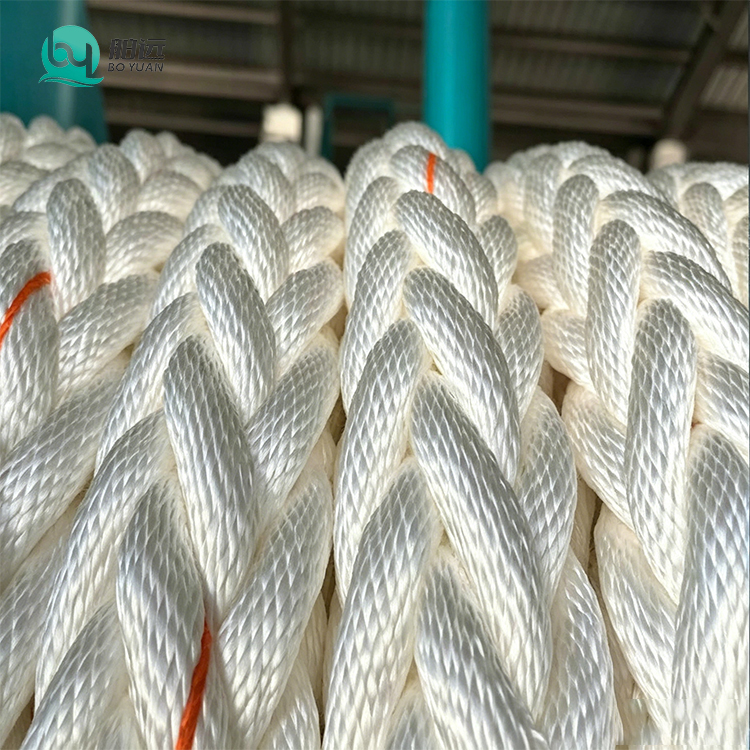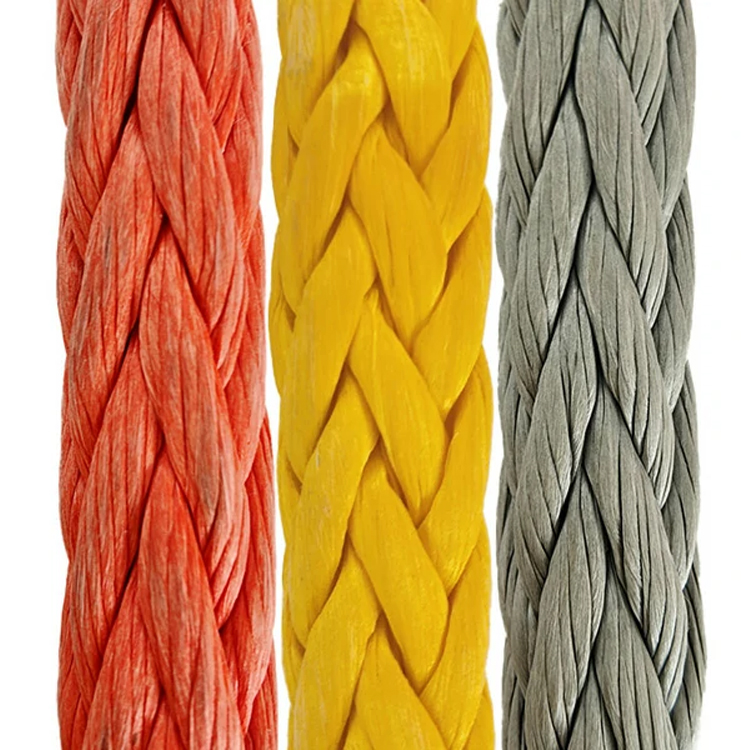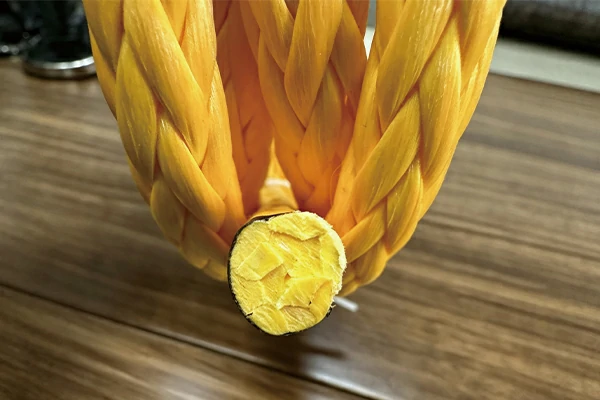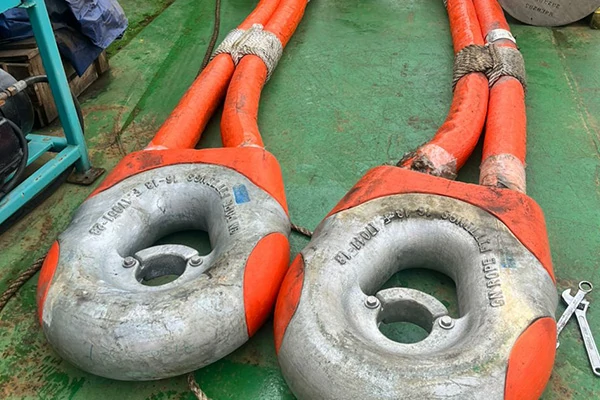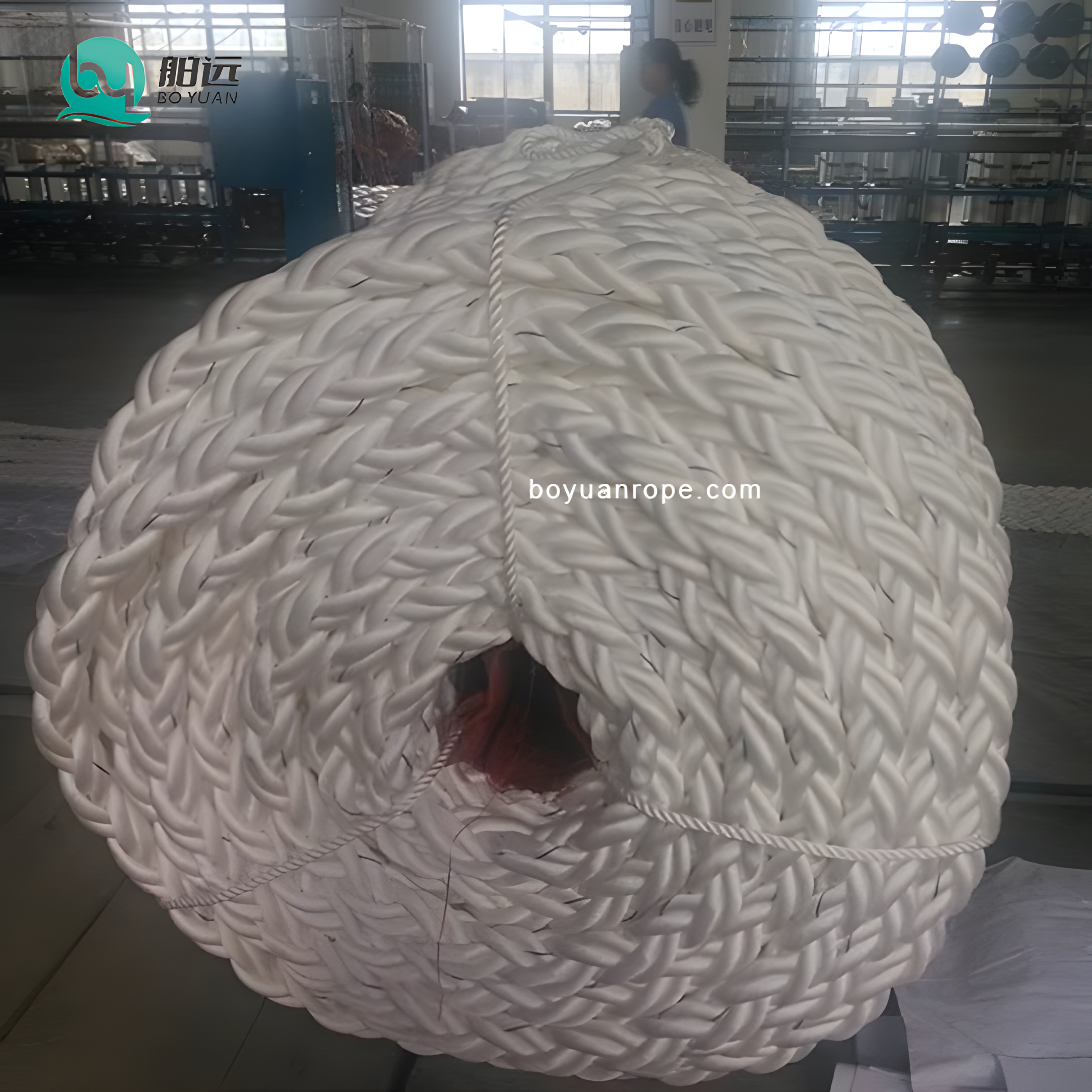
Hawser laid rope is a robust and durable type of rope commonly used in maritime, industrial, and heavy-duty applications. It is known for its construction, which involves twisting multiple strands of fibers into a larger, thicker rope that can handle significant loads. The term “hawser laid” comes from its traditional use for securing large ships and vessels, ensuring their stability in rough seas or during docking.
Construction of Hawser Laid Rope
Hawser laid ropes are typically made from high-strength fibers such as nylon, polyester, or polypropylene, and they are usually constructed in a 3-strand or 4-strand design. The strands are twisted in a specific manner to create a thick, strong rope that resists wear and tear. The construction method ensures the rope has superior strength, excellent load-bearing capacity, and resilience against environmental conditions.
This type of rope is generally thicker and more rigid compared to other ropes, making it ideal for use in mooring, towing, and anchoring operations. The rope’s braided design helps distribute forces evenly, preventing damage to both the rope and the equipment it’s connected to.
Key Features of Hawser Laid Rope
High Strength
Durability
Shock Absorption
Ease of Handling:
Applications of Hawser Laid Rope
Hawser laid ropes are used in various industries, primarily in maritime applications. Some of the key uses include:
- Ship Mooring: Hawser laid ropes are used to tie ships securely to docks or piers, ensuring stability and safety during loading and unloading operations.
- Towing: Due to their high strength and shock absorption, these ropes are commonly used in towing operations for large ships, tugboats, and oil rigs.
- Anchoring: Hawser laid ropes are essential for securely anchoring vessels in various marine conditions.
- Industrial Applications: Hawser laid ropes are also used in industrial settings, where heavy lifting and load-bearing operations are required.
Technical Data
Polypropylene rope
| Size | Weight | MBL(Unspliced) | LDBF(Spliced) | ||||
|---|---|---|---|---|---|---|---|
| Dia.mm | Cir.inch | g/m | kgs/220m | kN | ton | kN | ton |
| 40 | 5 | 720 | 158.4 | 205 | 20.92 | 185 | 18.8 |
| 44 | 5-1/2 | 880 | 193.6 | 246 | 25.1 | 221 | 22.6 |
| 48 | 6 | 1040 | 228.8 | 286 | 29.18 | 257 | 26.3 |
| 52 | 6-1/2 | 1220 | 268.4 | 331 | 33.78 | 298 | 30.4 |
| 56 | 7 | 1420 | 312.4 | 378 | 38.57 | 340 | 34.7 |
| 60 | 7-1/2 | 1630 | 358.6 | 433 | 44.18 | 390 | 39.8 |
| 64 | 8 | 1850 | 407 | 490 | 50 | 441 | 45.0 |
| 72 | 9 | 2340 | 514.8 | 615 | 62.76 | 554 | 56.5 |
| 80 | 10 | 2900 | 638 | 756 | 77.14 | 680 | 69.4 |
| 88 | 11 | 3510 | 772.2 | 907 | 92.55 | 816 | 83.3 |
| 96 | 12 | 4170 | 917.4 | 1071 | 109.29 | 964 | 98.4 |
| 104 | 13 | 4900 | 1078 | 1228 | 125.3 | 1105 | 112.8 |
| 112 | 14 | 5700 | 1254 | 1418 | 144.69 | 1276 | 130.2 |
| 120 | 15 | 6500 | 1430 | 1628 | 166.12 | 1465 | 149.5 |
| 128 | 16 | 7400 | 1628 | 1838 | 187.55 | 1654 | 168.8 |
| 136 | 17 | 8400 | 1848 | 2069 | 211.12 | 1862 | 190.0 |
| 144 | 18 | 9400 | 2068 | 2309 | 235.61 | 2078 | 212.1 |
| 160 | 20 | 11521 | 2534.62 | 2829 | 288.67 | 2546 | 259.8 |