Offshore activities encompass a wide range of operations that occur in marine environments, typically beyond the shoreline. These activities are crucial in industries such as oil and gas extraction, renewable energy production, maritime transportation, and recreational ventures like offshore fishing and leisure cruises.
1. Offshore Oil and Gas Exploration
One of the most prominent offshore activities is the exploration and extraction of oil and gas. Offshore rigs are set up on the continental shelf or in deeper waters to drill for petroleum reserves. The process involves complex and sophisticated equipment that is designed to withstand harsh marine conditions. Offshore drilling platforms can be located miles from the shore, and they often rely on offshore supply vessels to transport equipment and personnel. This activity contributes significantly to global energy production, with billions of barrels of oil and natural gas extracted from offshore reserves.
2. Offshore Renewable Energy
The transition to cleaner energy sources has brought offshore wind and tidal energy projects to the forefront. Offshore wind farms are built in coastal waters where wind speeds are higher and more consistent. These farms consist of large wind turbines that generate electricity to supply power to coastal cities or even to national grids. Offshore tidal energy projects use the natural motion of ocean tides to generate power, offering a renewable source of energy that is both sustainable and reliable. These projects are growing rapidly as countries work towards reducing their carbon footprints and dependency on fossil fuels.
3. Offshore Maritime Transportation
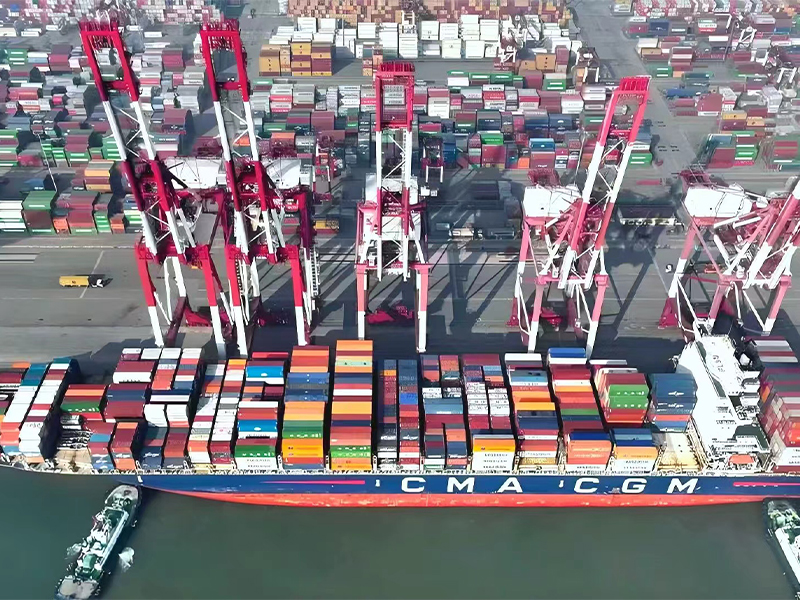
Offshore maritime transportation involves the movement of goods, cargo, and people between land and sea. Shipping vessels are crucial in transporting goods across oceans, with the majority of international trade relying on ships to move everything from oil to manufactured products. Port facilities, docks, and loading equipment are all essential components of offshore maritime operations, ensuring the safe and efficient handling of vessels.
4. Offshore Fishing
Offshore fishing is another significant activity, providing a large portion of the world’s seafood supply. Commercial fishing fleets venture far out into the oceans, utilizing large trawlers and other specialized equipment to catch fish and other marine species. This activity supports economies and livelihoods in coastal regions, providing seafood to global markets. Additionally, recreational fishing enthusiasts often engage in offshore fishing for sport, targeting large fish species like tuna, marlin, and sharks.
5. Offshore Leisure and Cruises
Offshore leisure activities are growing in popularity within the tourism sector. These are a top vacation choice for many. These cruises offer multi-day or multi-week voyages to tropical and exotic destinations. Passengers enjoy entertainment, dining, and recreational activities on board. There are options from luxury cruises to smaller boutique experiences. Offshore leisure allows travelers to explore new parts of the world while enjoying high-end amenities.
Conclusion
Offshore activities play a significant role in both global industries and recreational sectors. From energy production to maritime transportation, and from commercial fishing to tourism, offshore operations are crucial to the economy and our daily lives. With advancements in technology and increasing focus on sustainability, offshore activities will continue to evolve, offering new opportunities for innovation and growth across sectors.