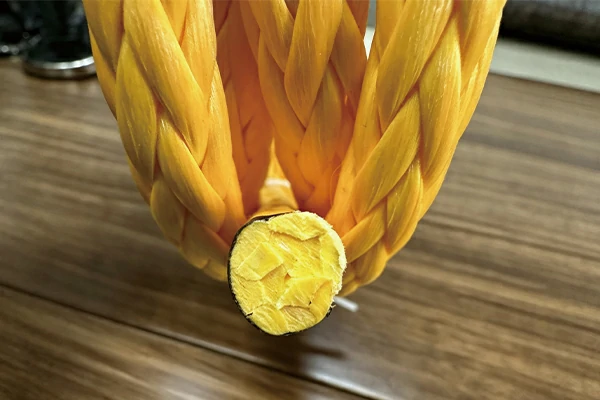
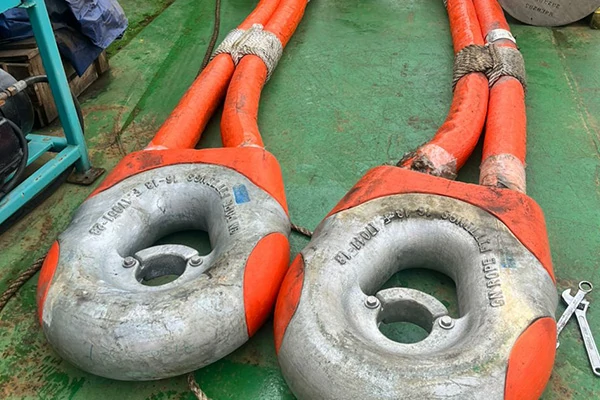
Mooring rope splicing is an essential skill in the maritime industry, ensuring that ropes remain strong, secure, and reliable in challenging environments. Splicing involves intertwining the strands of the rope to form a permanent, smooth, and strong connection without the need for additional fittings or hardware.
Types of Mooring Rope Splicing
Eye Splice
The eye splice creates a loop at the end of the rope, which can be used to connect the rope to a mooring post, cleat, or other equipment. It’s commonly used for attaching ropes to fixed points while maintaining the rope’s original strength.
Short Splice
A short splice is used to join two ropes of the same size together, ensuring they form a continuous length. This type of splice is strong and smooth, making it ideal for connecting two mooring ropes without creating bulky knots.
Long Splice
A long splice is similar to a short splice, but it is typically used to connect ropes of different sizes. It involves a longer, more intricate process of interweaving strands from each rope, ensuring the splice is smooth and nearly invisible.
Benefits of Mooring Rope Splicing
Increased Strength: Splicing maintains the rope’s original strength, which can be compromised by knots or other mechanical connections.
Durability: Properly spliced ropes are more durable, with reduced wear from friction and environmental elements such as saltwater, UV rays, and abrasion.
Smooth and Safe: Spliced ropes have no bulky knots, ensuring smoother handling and less risk of damage to equipment or hands.
How to Perform a Basic Eye Splice
Preparation: Cut the rope to the desired length. Unlay the strands at the end of the rope to create space for the splice.
Create the Loop: Form the desired loop size by folding the end of the rope back on itself.
Intertwine the Strands: Begin weaving the strands back into the rope’s body, following the natural braid of the rope.
Tighten and Finish: Pull the strands tightly to ensure a secure splice, then whip or tape the end of the rope to prevent unraveling.
Applications of Spliced Mooring Ropes
Spliced mooring ropes are commonly used in various marine applications, such as:
Docking and Mooring: Splices ensure secure attachment of boats and ships to docks.
Towing: Spliced ropes are used for towing heavy loads in both marine and industrial settings.
Industrial and Offshore Use: Spliced ropes are also valuable in offshore rigs, where strong and reliable connections are required.
Conclusion
Mooring rope splicing is a vital technique in ensuring the strength, safety, and longevity of mooring ropes. Whether you are creating a loop, joining two ropes, or repairing a damaged rope, knowing how to splice is a valuable skill for anyone working in the maritime or industrial sectors. Proper splicing guarantees a secure, smooth, and durable rope, providing confidence in critical applications such as mooring, towing, and more.