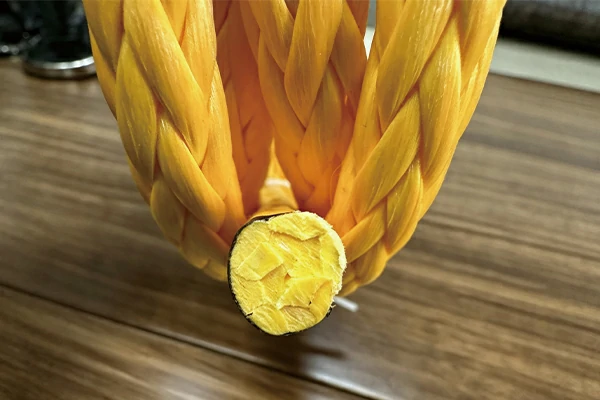
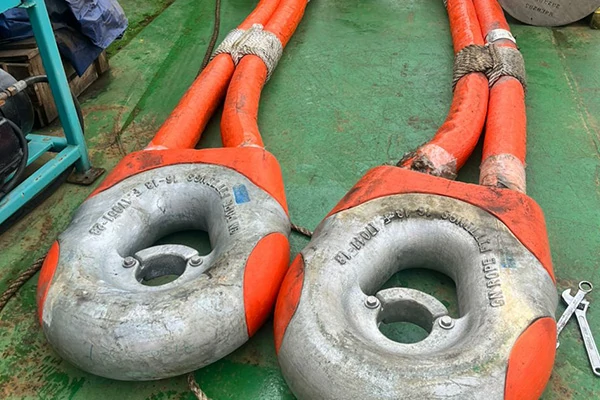
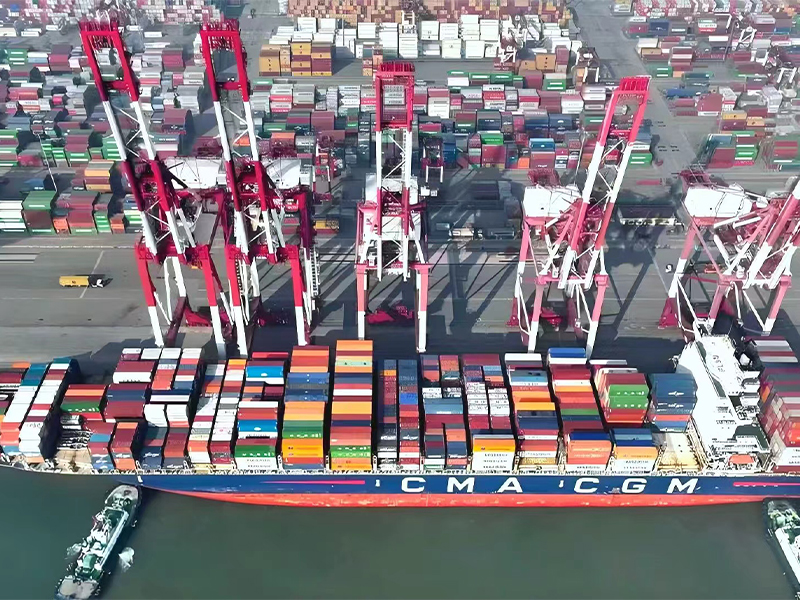
Vessel ropes are vital for a wide range of marine operations, providing safety, security, and efficiency in various maritime activities. These ropes are specifically engineered to handle the extreme conditions of the sea, including high winds, rough seas, and saltwater exposure. Made from high-strength synthetic fibers such as polyester, nylon, or polypropylene, vessel ropes are durable, flexible, and resistant to abrasion and UV damage. They are essential in mooring, towing, anchoring, and cargo securing.
For mooring, vessel ropes keep ships securely docked in place, even when waves or strong winds push against them. The ropes absorb shock loads, preventing them from breaking suddenly. In towing operations, these ropes connect ships to tugboats or other vessels, transferring the force needed to move large ships safely. Anchor lines are used to hold ships firmly in place, ensuring they do not drift in open water, especially during storms or adverse weather. The ropes also play a key role in securing cargo during loading or unloading, preventing accidents or damage.
The design of vessel ropes ensures they are both flexible and easy to handle even under high tension. Available in different sizes and strengths, they are suitable for various vessels and marine conditions. Proper rope selection and maintenance are crucial to ensure safety and operational efficiency.
In summary, vessel ropes are indispensable in the maritime industry. Their strength, resilience, and versatility make them essential for a wide range of operations, ensuring safety and reliability in the most challenging environments.