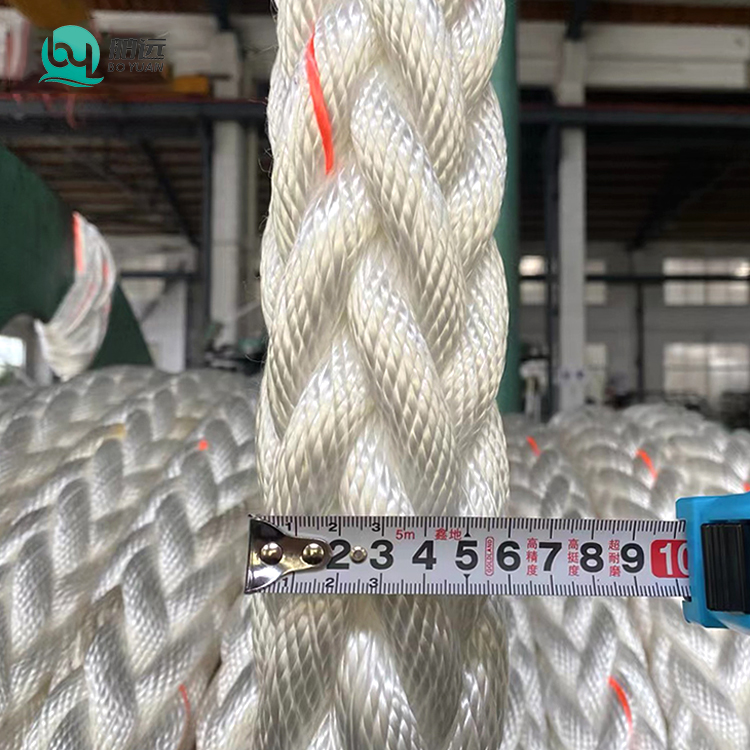
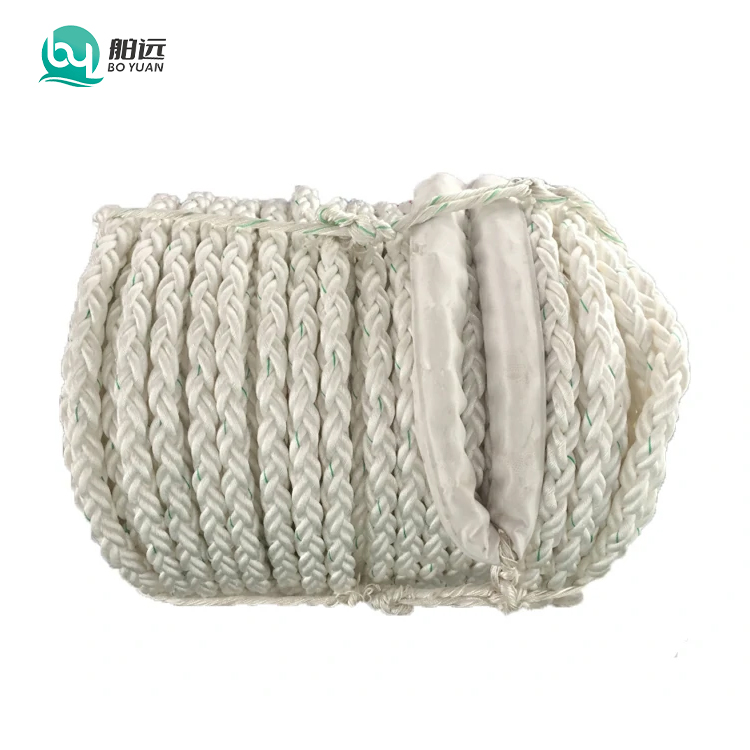
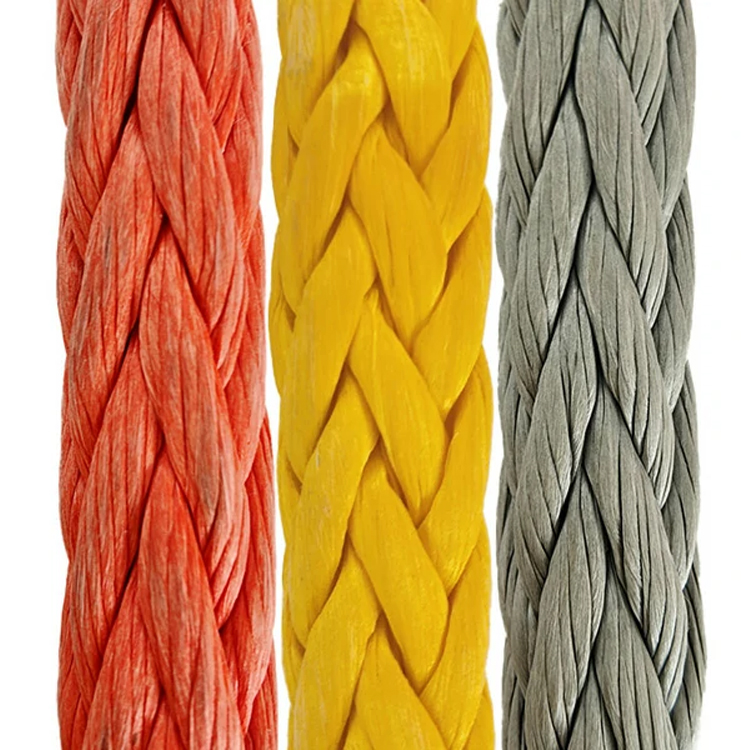
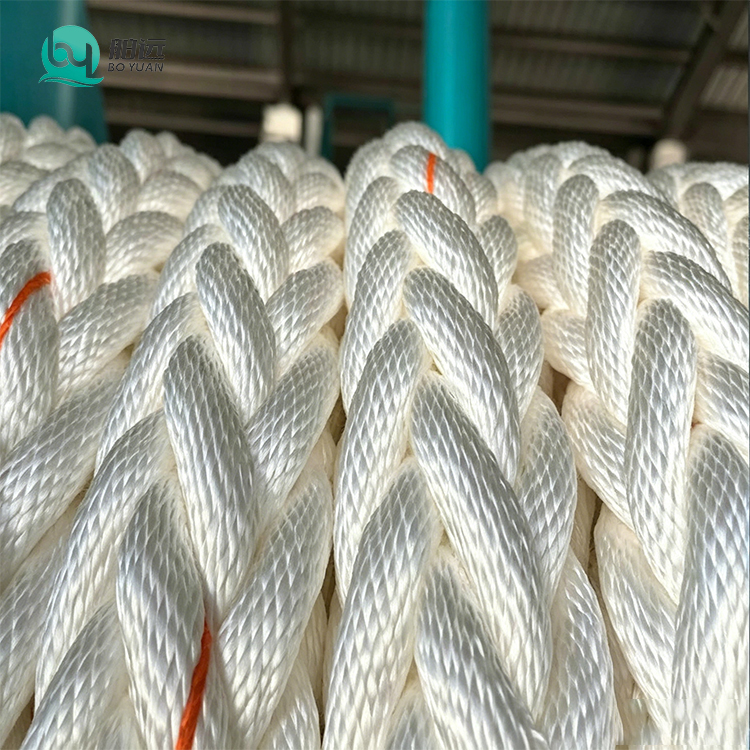
High-Performance Marine Mooring Ropes for Demanding Environments
Our marine mooring ropes are engineered to deliver superior strength, lightweight handling, and long-term durability in harsh marine conditions. Designed for a wide range of applications including commercial shipping, offshore platforms, and port operations, they ensure maximum safety and stability during mooring and docking.
Manufactured from premium materials such as UHMWPE, Nylon, and Polyester, our ropes offer:
- High breaking strength with reduced weight
- Excellent abrasion and UV resistance
- Controlled elongation for better load stability
- Long service life with reduced maintenance cost
Certified to international standards and trusted by global clients, our mooring solutions provide reliable performance even in the most demanding environments.
Choose our ropes for safer operations, lower lifetime cost, and dependable supply.
How to Choose the Marine & Mooring Rope Material
| Material | Strength | Weight | Buoyancy | Elongation | Abrasion Resistance | UV Resistance | Cost | Key Advantages | Limitations | Typical Applications |
|---|---|---|---|---|---|---|---|---|---|---|
| Polypropylene (PP) | ⭐⭐ | Very Light | ⭐⭐⭐⭐⭐ (Floating) | ⭐⭐⭐ | ⭐⭐ | ⭐⭐ | Low | Lightweight, floats, economical | Low strength, poor UV resistance | Floating lines, auxiliary mooring |
| Nylon (Polyamide) | ⭐⭐⭐⭐ | Medium | ❌ | ⭐⭐⭐⭐⭐ | ⭐⭐⭐⭐ | ⭐⭐⭐ | Medium | Excellent shock absorption, high elasticity | Absorbs water, heavier | Mooring lines, dynamic loads |
| PP & Polyester Mixed Rope | ⭐⭐⭐ | Light | ⭐⭐⭐⭐ (Semi-floating) | ⭐⭐ | ⭐⭐⭐ | ⭐⭐⭐⭐ | Medium | Balanced performance, lighter than polyester | Not suitable for heavy-duty use | General mooring, port use |
| Polyester Rope | ⭐⭐⭐⭐ | Medium | ❌ | ⭐⭐ | ⭐⭐⭐⭐⭐ | ⭐⭐⭐⭐⭐ | Medium | Excellent durability, low stretch, UV resistant | Does not float | Permanent mooring, offshore |
| HMPE (UHMWPE) Rope | ⭐⭐⭐⭐⭐ | Ultra Light | ⭐⭐⭐⭐⭐ (Floating) | ⭐ | ⭐⭐⭐⭐ | ⭐⭐⭐ | High | Extremely high strength, lightweight, easy handling | Low elasticity, higher cost | Heavy-duty mooring, large vessels |
Recommended Mooring Rope Selection
• Floating and auxiliary lines → PP rope
(Lightweight, buoyant, cost-effective)
• High shock load / dynamic mooring → Nylon rope
(Excellent elasticity to absorb sudden loads)
• General-purpose port mooring → PP & Polyester mixed rope
(Balanced performance and cost efficiency)
• Long-term or permanent mooring → Polyester rope
(Low elongation and superior durability)
• Heavy-duty / large vessel mooring → HMPE rope
(Maximum strength with lightweight handling)
Why Choose Our Marine & Mooring Rope
• Designed for demanding marine and mooring environments
• Excellent resistance to UV, seawater, and abrasion
• Reliable performance under heavy and dynamic loads
• Wide material options for different vessel requirements
• Custom diameter, length, and construction available
• Consistent quality for long-term marine use