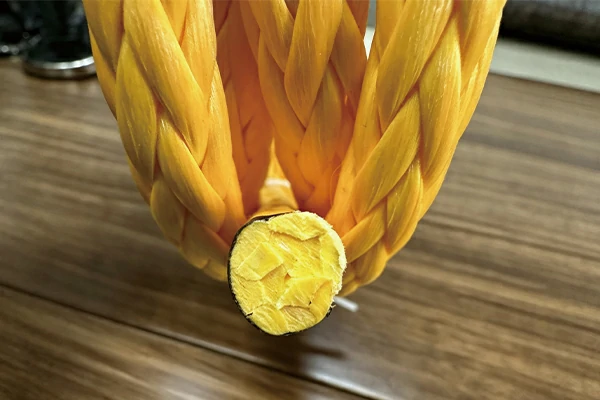
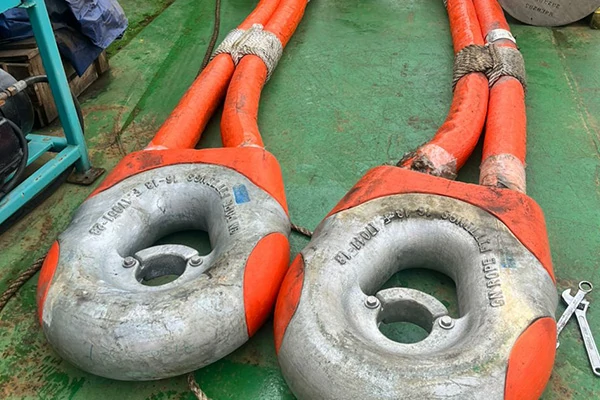
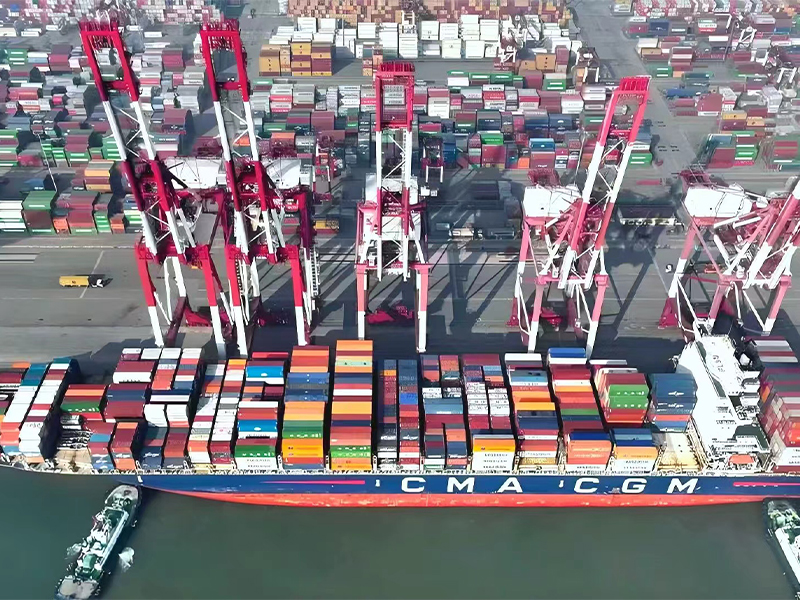
HMPE ropes are widely recognized for their excellent resistance to rebound, making them the preferred choice for critical applications in marine and industrial sectors. One of the key factors contributing to this resistance is their remarkably low elongation. While traditional ropes such as nylon can stretch up to 30% under load, hmpe mooring lines typically exhibit elongation of less than 2%. This minimal stretching reduces the risk of significant rebound or snapback, ensuring more controlled and safe operations.
In terms of tensile strength, HMPE fibers are incredibly strong. They can withstand up to 10 times the tensile strength of steel by weight, making them extremely durable under heavy loads. For example, a 12mm HMPE rope can have a tensile strength of up to 60 tons, while nylon of similar diameter might only support around 20 tons. This exceptional strength and rigidity prevent the rope from stretching or deforming significantly, further minimizing the rebound effect.
HMPE ropes also offer impressive resistance to environmental factors. They are highly resistant to UV degradation, chemical exposure, and abrasion. HMPE fibers maintain their strength and flexibility even after prolonged exposure to the sun or harsh chemicals, unlike traditional fibers that can weaken over time. This ensures that the ropes remain reliable and effective for long-term use, especially in challenging environments.
Given their low elongation, high tensile strength, and environmental stability, hmpe mooring lines are ideal for demanding applications such as towing, mooring, and rescue operations. With the ability to handle up to 12 times the load of steel ropes of the same size, HMPE ropes are a safer and more reliable option in preventing dangerous rebound effects.