UHMWPE rope (Ultra High Molecular Weight Polyethylene) has become one of the most trusted solutions for marine, industrial, offshore, and outdoor applications due to its exceptional strength-to-weight ratio. However, the market also contains inconsistent qualities, making it crucial to understand how to select a perfect UHMWPE rope. The following guide outlines the essential factors to consider before purchasing.
1. Check the Fiber Grade and Certification
The performance of a UHMWPE rope largely depends on the fiber source. Premium brands such as Dyneema® or trusted Chinese UHMWPE manufacturers typically provide higher tensile strength and lower creep performance. Look for certifications such as ISO, CCS, ABS, or CE, which indicate standardized production and quality assurance.
2. Evaluate the Braiding Structure
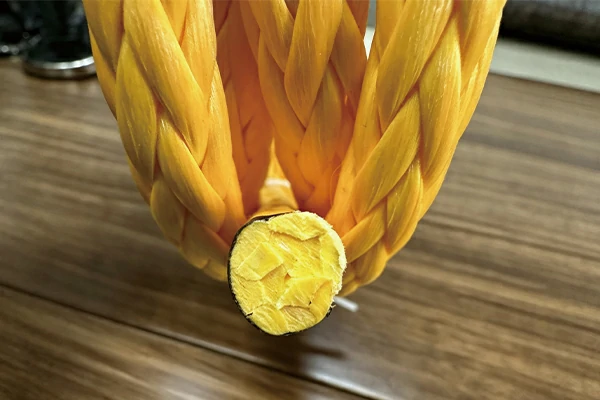
A perfect UHMWPE rope should have a uniform, tight, and smooth braid. Poor braiding leads to weak points and reduced abrasion resistance, especially for mooring, towing, or winching use. For heavy-duty tasks, 12-strand braided UHMWPE rope is the industry standard due to its excellent flexibility and superior strength.
3. Compare Breaking Strength and Diameter Tolerance
High-quality UHMWPE rope delivers outstanding breaking strength compared to steel wire of the same diameter. Before purchasing, always ask suppliers for a test report showing breaking load, elongation, and diameter tolerance. Consistency in diameter indicates better manufacturing precision and long-term performance stability.
4. Consider Coating and Surface Treatment
Advanced coatings can significantly enhance the rope’s handling, UV resistance, and abrasion performance. PU coating or marine-grade protective layers help extend the lifespan of the rope in offshore, saltwater, or high-friction environments.
5. Match the Rope to Your Application
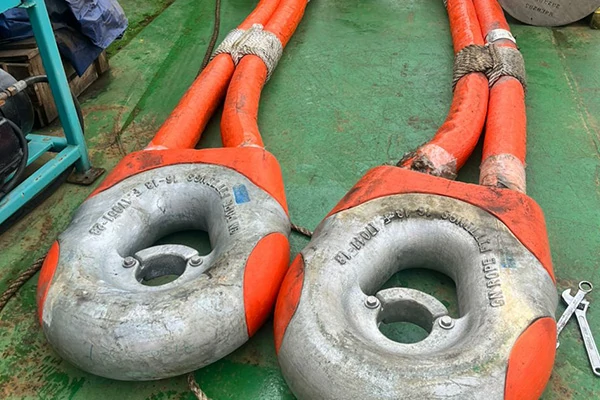
Different tasks require different structures and diameters. For marine mooring, a thick 12-strand UHMWPE rope with protective cover is recommended. For winch lines or 4×4 recovery, a lightweight, coated UHMWPE rope performs best. Always confirm the working load limit (WLL) and safety factor for your specific operation.
Conclusion
Choosing the perfect UHMWPE rope requires attention to fiber quality, construction, coating, and application-based performance. Working with a reliable manufacturer ensures consistent strength, durability, and safety, ultimately improving operational efficiency and reducing the risk of failure.
👉 Explore our full UHMWPE rope range here
👉 Contact us for OEM, bulk orders, or free technical consultation.