Choosing the right marine rope is essential for ensuring safety, stability, and performance in maritime operations. Whether you are equipping a commercial vessel, a private yacht, or an offshore platform, selecting a rope that matches the working environment and load requirements is critical. This guide helps you select marine ropes.
1. Identify the Application Requirements
Start by defining where and how the rope will be used. Mooring, towing, anchoring, lifting, and general marine handling each require different performance characteristics. For ships and offshore projects, ropes must withstand high loads, abrasion, and long-term exposure to seawater. Yachts, on the other hand, often prioritize smooth handling and shock absorption.
2. Select the Right Rope Material
Marine ropes are typically made from nylon, polypropylene (PP), polyester (PET), or blended fibers.
Nylon ropes provide excellent strength and elasticity, making them ideal for mooring and towing.
Polypropylene ropes are lightweight and float on water, suitable for general marine applications.
Polyester ropes offer superior abrasion resistance and low stretch, preferred for offshore and industrial operations.
Choosing the correct material ensures durability and safety in long-term use.
3. Consider Rope Construction
The structure of the rope affects both strength and handling.
3-strand ropes are economical and easy to splice.
8-strand and 12-strand ropes provide higher strength and balanced torque.
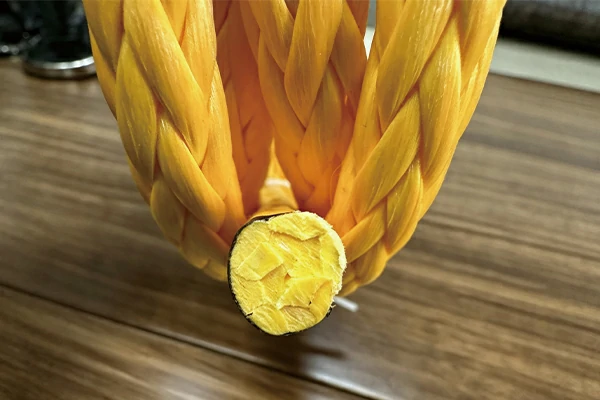
Double braided ropes deliver exceptional durability and controlled elongation.
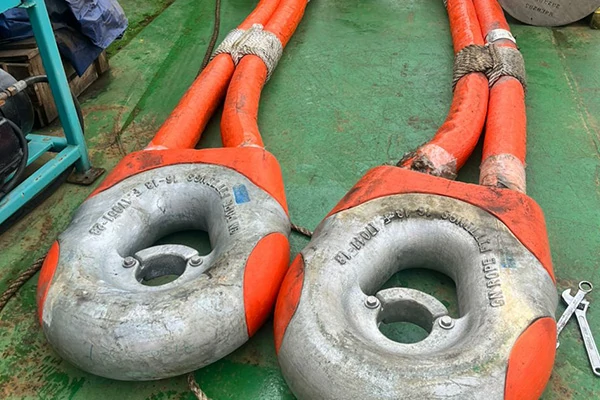
For offshore projects, high-strength braided ropes are commonly recommended.
4. Assess Strength and Safety Factors
Working load limit (WLL), minimum breaking load (MBL), and elongation properties are key indicators. Always choose ropes certified according to marine standards and ensure the breaking strength exceeds operational requirements.
5. Evaluate Environmental Conditions
UV exposure, temperature changes, and saltwater corrosion can affect rope lifespan. Selecting ropes with UV-resistant fibers, anti-abrasion coatings, or specialized marine finishes helps maintain long-term performance.
Conclusion
Selecting the right marine rope is a combination of understanding materials, construction, strength, and environmental challenges. Working with a reliable marine rope manufacturer ensures consistent quality, customized options, and safe performance for ships, yachts, and offshore operations.
Partner with a trusted manufacturer—contact us today to start your marine rope project.