Nylon synthetic fiber rope and ordinary nylon rope are both popular choices for various applications due to their strength and versatility. However, there are significant differences in their construction, performance, and ideal usage scenarios.
Material Composition and Construction
Ordinary nylon rope is typically made from monofilament or standard nylon fibers. It has a simpler construction, often consisting of twisted or braided strands of nylon. While it provides decent strength and flexibility, it lacks the advanced properties required for high-demand applications.
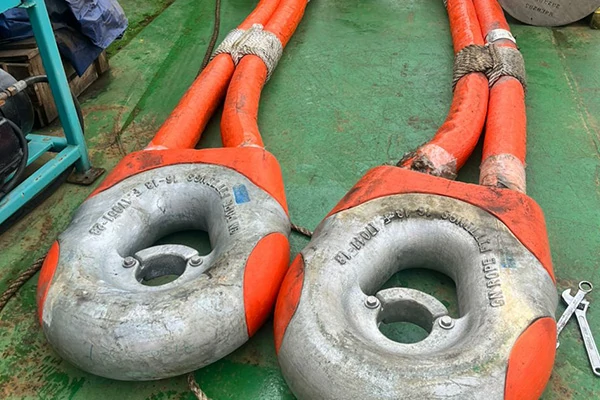
In contrast, nylon synthetic fiber rope is constructed using high-grade multifilament fibers. These fibers are tightly woven or braided, resulting in superior durability, greater load-bearing capacity, and better elasticity. The advanced weaving techniques allow nylon synthetic ropes to perform exceptionally under extreme stress.
Performance Differences
One of the main advantages of nylon synthetic fiber rope is its enhanced strength-to-weight ratio. It offers greater tensile strength compared to ordinary nylon rope of the same diameter. Additionally, its multifilament construction provides improved elasticity, which allows the rope to absorb shock loads effectively. This makes it ideal for dynamic operations such as mooring, towing, and lifting.
Ordinary nylon rope, while strong, may not perform as well under high-impact or continuous load conditions. It is more prone to stretching excessively over time, which can lead to reduced reliability in heavy-duty environments.
Durability and Environmental Resistance
Nylon synthetic fiber ropes offer superior resistance to wear and tear. The multifilament fibers are designed to withstand abrasion, UV exposure, and chemical degradation. This makes them ideal for marine and industrial applications where harsh conditions are common.
On the other hand, ordinary nylon ropes may degrade faster when exposed to UV light, moisture, or harsh chemicals. They tend to lose strength over time and require more frequent replacements in demanding environments.
Applications
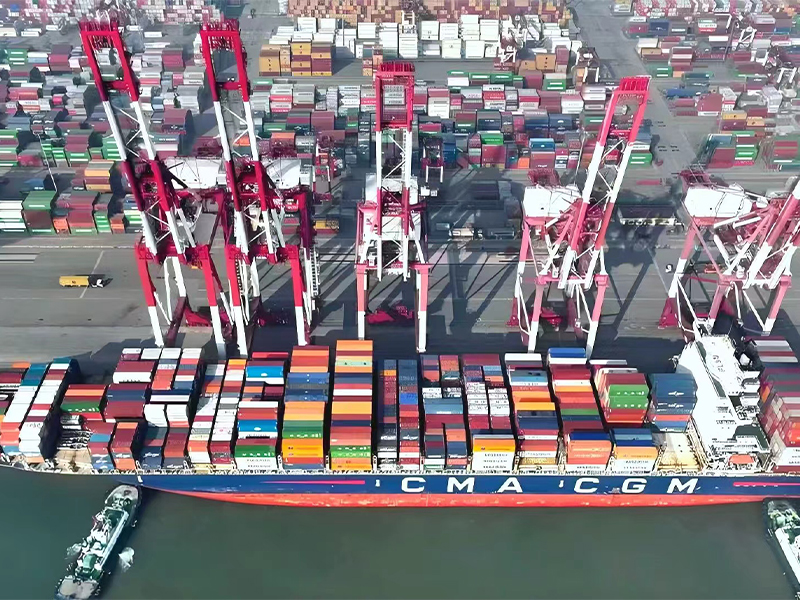
Nylon synthetic fiber ropes are widely used in heavy-duty operations, such as marine mooring lines, towing ropes, industrial lifting, and rescue operations. Their ability to absorb energy and resist environmental stress makes them the preferred choice in scenarios requiring safety and reliability.
Ordinary nylon ropes, while still versatile, are better suited for lighter tasks, such as general-purpose tie-downs, camping, or household use. They are cost-effective but may not provide the durability or load-bearing capacity needed for industrial applications.
Conclusion
While both nylon synthetic fiber rope and ordinary nylon rope serve important functions, their differences lie in strength, durability, and performance. Nylon synthetic fiber rope, with its advanced construction and superior properties, is better suited for high-stress and demanding applications. Ordinary nylon rope, though reliable for lighter tasks, falls short in extreme conditions. Choosing the right type of nylon rope depends on the specific needs of the application, ensuring safety, longevity, and efficiency.