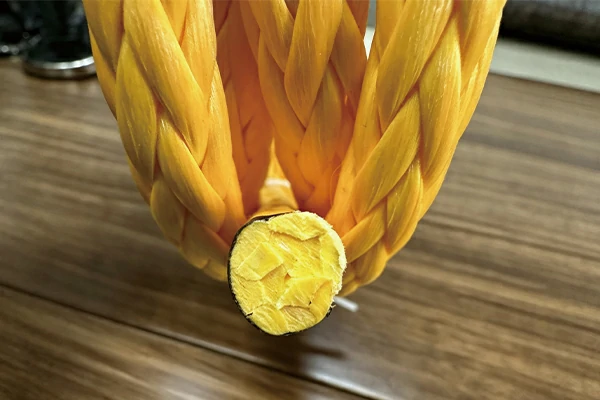
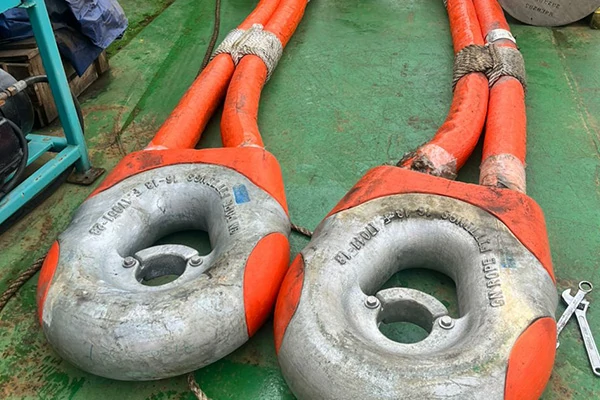
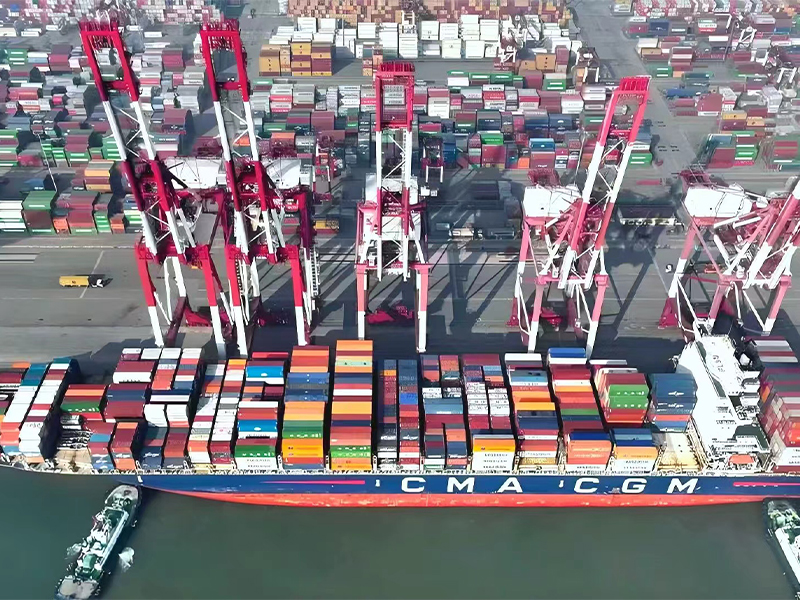
Mooring tails rope play a crucial role in modern mooring systems, especially for large vessels like tankers, bulk carriers, and container ships. These flexible extensions connect to the main mooring lines, providing additional elasticity, safety, and durability. They improve the overall performance of the mooring system and protect both the vessel and the mooring lines from excessive stress.
Mooring tails are typically made from high-performance synthetic fibers. Common materials include nylon, polyester, and high-modulus polyethylene (HMPE). Nylon tails are valued for their high elasticity and excellent shock absorption. Polyester tails offer superior abrasion resistance and durability in harsh marine environments. HMPE tails provide exceptional strength with minimal stretch, making them lightweight and safe by reducing the risk of snap back.
One primary function of Mooring tails rope is absorbing sudden shock loads caused by wind, waves, and tidal movements. Their elasticity allows the vessel to move more freely while maintaining stability. This helps distribute dynamic forces evenly and prevents main mooring lines from snapping under stress. The added flexibility also reduces the risk of catastrophic failures during mooring operations.
Safety is another significant advantage of using mooring tails. They help prevent snap back incidents, which can occur if a main mooring line breaks suddenly. By absorbing and dispersing the energy, mooring tails reduce the danger to crew members and equipment. This makes mooring operations safer and more reliable, especially in busy or unpredictable port conditions.
Mooring tails also extend the lifespan of main mooring lines. By reducing the strain and wear on these lines, they help minimize maintenance and replacement costs. This makes them a cost-effective solution for ship operators and owners. Using mooring tails also ensures vessels remain securely docked, even when external conditions change rapidly.
In practice, mooring tails are essential for various types of ships. Tankers use them to manage the stress of heavy loading and unloading operations. Bulk carriers rely on them to stabilize mooring in high-load environments. Container ships benefit from the flexibility mooring tails provide during frequent movements in busy ports.
To maximize their effectiveness, mooring tails must be inspected regularly. Checking for signs of wear, fatigue, or damage ensures they remain reliable. Proper installation and correct matching with main mooring lines are also critical. This balance maintains the integrity of the entire mooring system.
In conclusion, mooring tails are a vital component of safe and efficient mooring operations. Their ability to absorb shock, enhance flexibility, and improve safety makes them indispensable for modern shipping. By choosing the right material and maintaining them properly, operators can protect their vessels, crew, and infrastructure. Mooring tails ensure that mooring systems perform reliably, even in challenging conditions, safeguarding vessels and reducing the risk of accidents.