When selecting ropes for different tasks, understanding the differences between HMPE and polypropylene ropes are essential. These two materials offer distinct characteristics that make them suitable for different environments and applications. Choosing the appropriate rope can enhance performance, durability, and safety while meeting budgetary requirements.
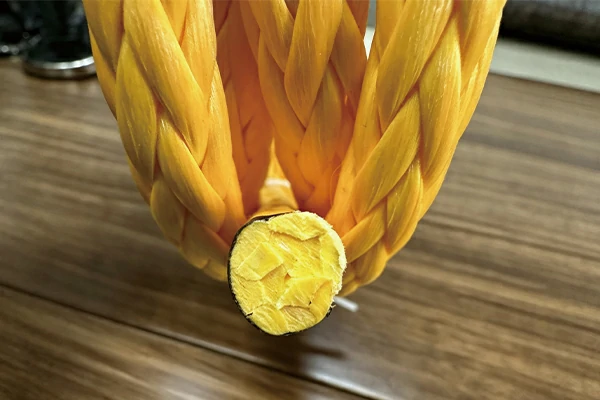
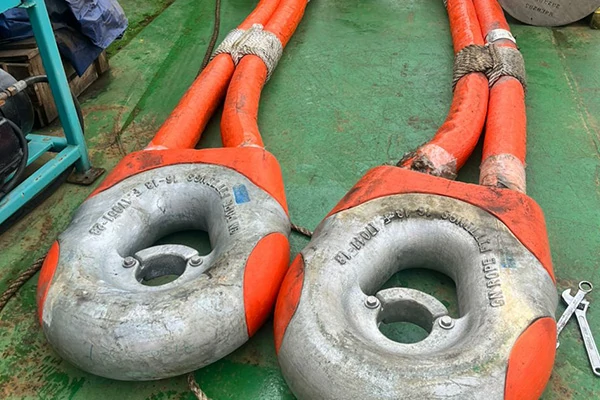
HMPE ropes are renowned for their exceptional strength to weight ratio. They are as strong as steel cables of the same diameter, yet significantly lighter and easier to handle. This combination of strength and lightweight properties makes HMPE ropes ideal for demanding tasks where stability and durability are crucial. In addition to their high tensile strength, HMPE ropes feature low elongation, ensuring they remain stable under heavy loads. They also have excellent resistance to environmental factors such as ultraviolet radiation, chemicals, and wear and tear. Even in harsh conditions such as marine or industrial environments, its lifespan can be extended. HMPE ropes do not absorb moisture and can maintain their strength and flexibility even in damp conditions. These characteristics make it the preferred choice for applications such as offshore mooring lines, offshore operations, heavy lifting, towing, and rescue scenarios. Reliability and safety are crucial in these applications.
On the other hand, PP ropes are valued for their affordability, buoyancy, and versatility. Compared to HMPE ropes, their production cost is much lower. This makes them attractive choices for general tasks or projects with budget constraints. PP ropes float on the water surface, which makes them particularly suitable for offshore applications. Such as swimming lanes, lifelines, and buoy attachments.
They exhibit moderate elasticity, which allows them to absorb shock loads effectively. However, PP ropes are less durable when it comes to UV exposure and abrasion. Prolonged exposure to sunlight can cause them to degrade faster, and their fibers can wear out more quickly when subjected to rough surfaces. Therefore, PP ropes are better suited for short-term use, recreational activities, or tasks where long-term durability is not a priority.
When comparing HMPE and polypropylene ropes, the differences in durability, strength, and cost become clear. HMPE ropes are a superior option for critical operations where safety, high performance, and longevity are required. Industries such as shipping, construction, and offshore drilling often rely on HMPE ropes to secure heavy loads and perform under extreme conditions. In contrast, PP ropes provide a cost-effective solution for everyday tasks and applications where buoyancy and lightweight handling are more important than maximum strength and durability. For example, PP ropes are commonly used in boating, camping, DIY projects, and temporary mooring.
Choosing between HMPE and PP ropes ultimately depends on the specific requirements of the application. If a project demands superior strength, minimal stretch, and resistance to environmental stressors, HMPE ropes are the ideal choice despite their higher cost. For simpler tasks where budget and buoyancy are key considerations, PP ropes offer an economical and practical solution. By understanding the strengths and weaknesses of each material, operators and users can make informed decisions to optimize performance, safety, and cost-efficiency in their operations.