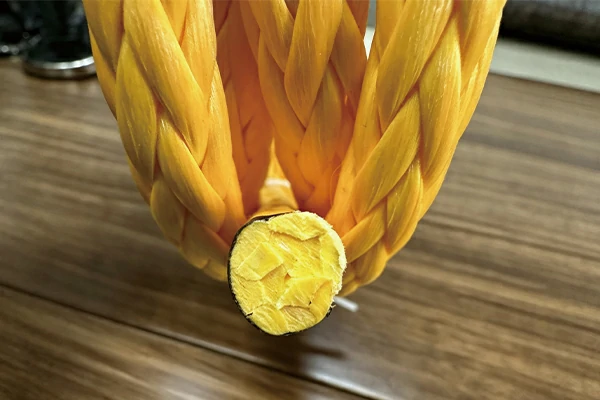
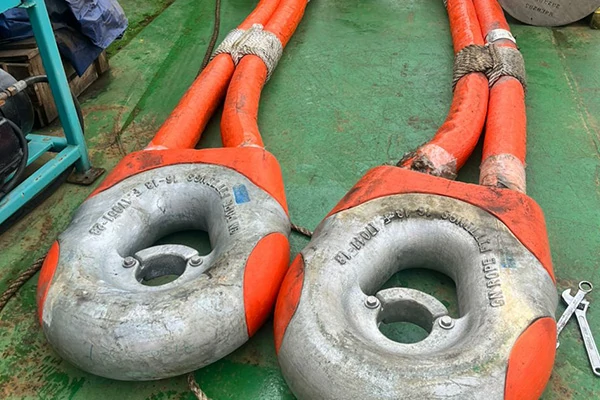
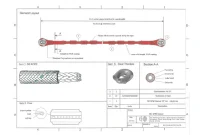
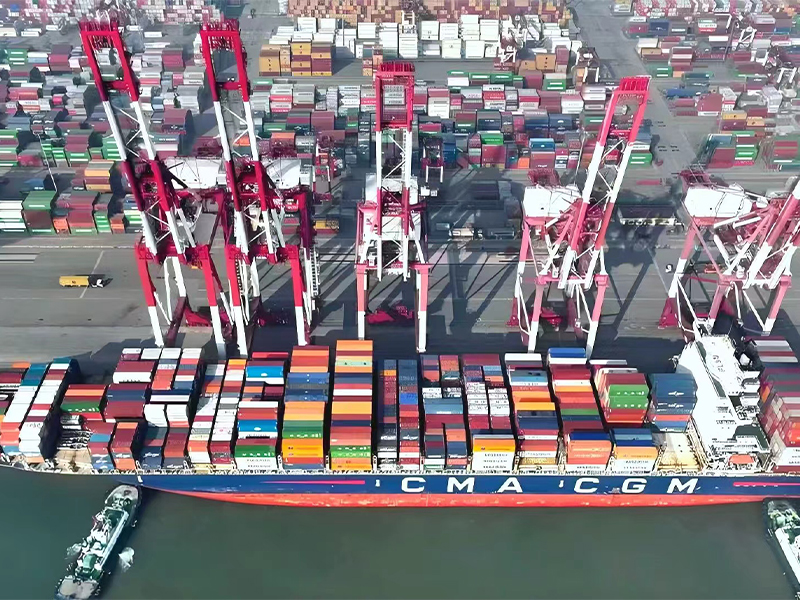
Giant ships don’t use steel cables for their mooring lines; instead, they use several thin hemp ropes. Are these ropes stronger than steel?
Actually, these hemp ropes are made of ultra-high molecular weight polyethylene (UHMWPE), weighing only 1/5 the weight of steel, but three times stronger. And because they are constantly submerged in seawater, they don’t rust like steel cables.
The UHMWPE ropes have the following characteristics
- Exceptional Strength-to-Weight Ratio
- Superior Safety and Handling
- Outstanding Corrosion and Abrasion Resistance
- Cost-Effective Over the Long Term
- Widely Adopted in the Maritime Industry
However, even though they are very durable, these ropes cannot be used for more than 5 years because if they break, they can cause serious injury. For example, when a ship docks, the first step is to tie the mooring lines to the mooring bollards on the shore. This is the most dangerous step in the entire port operation. Because the ship is very unstable on the sea, the swaying of the ship can suddenly tighten the hemp rope. If the rope suddenly snaps, it could throw a person away instantly.
Besides, the hemp rope poses another danger: if your hand is accidentally caught in the rope while tying it, the continued swaying of the ship will create a great pressure that can fracture a bone in an instant.
In short
This shift reflects advancements in material technology and the increasing demand for safer, lighter, and more durable mooring solutions.
Choose UHMWPE Ropes for Your Fleet Today
Contact our team today to learn more about custom rope solutions, specifications, and bulk supply options for your marine operations.