In the marine industry, ropes endure constant exposure to sunlight, saltwater, and friction. To ensure safety and long service life, UV resistance and abrasion resistance are essential properties of marine ropes used in mooring, towing, and offshore operations.
UV Resistance: Shielding Against Sunlight Damage
Ultraviolet (UV) radiation can gradually break down the polymer chains in synthetic fibers, leading to weakened strength and color fading. To counter this, modern rope manufacturers integrate UV stabilizers and anti-oxidant additives during production.
Among common synthetic fibers, polyester ropes exhibit superior UV resistance compared to polypropylene (PP) ropes, thanks to their dense molecular structure and excellent sunlight stability. This makes polyester ideal for long-term outdoor and marine applications where UV exposure is unavoidable.
Abrasion Resistance: Defending Against Friction and Wear
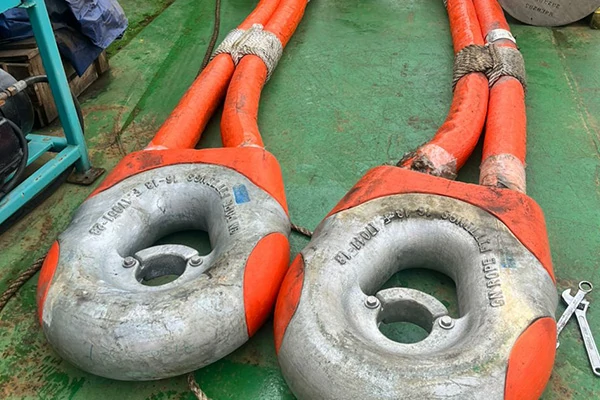
Marine ropes frequently rub against metal decks, cleats, and winches. Their abrasion resistance depends on both the fiber material and rope design.
Polyester fibers feature a smooth surface and high melting point, offering exceptional durability.
PP ropes, while lightweight and cost-effective, can be enhanced with surface coatings or blended with polyester to increase toughness.
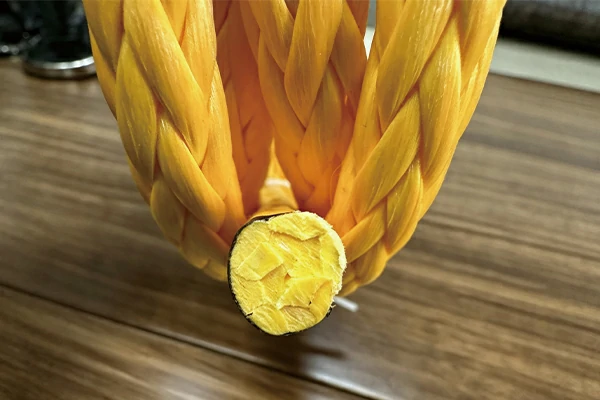
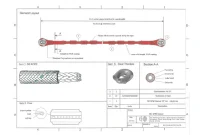
Advanced ropes use tight braiding patterns and protective coatings to minimize internal friction and surface wear, ensuring consistent performance even in rough marine conditions.
Conclusion
The combination of UV stability and abrasion resistance defines the long-term reliability of marine ropes. Understanding the science behind these properties helps users choose the right material—whether polyester, polypropylene, or a hybrid blend—for superior strength and durability at sea.
Looking for reliable ropes that stand up to the toughest marine environments?
📩 Contact us today to find the perfect rope solution for your marine needs.