Does Nylon Rope Stretch
Nylon rope is well-known for its stretch and elasticity. These qualities make it versatile and practical for many uses. It can absorb shock loads effectively. This ensures durability and safety when sudden or dynamic forces are involved.
The Stretchability of Nylon Rope
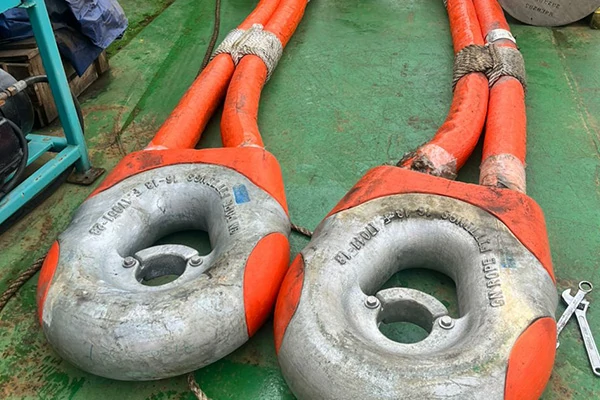
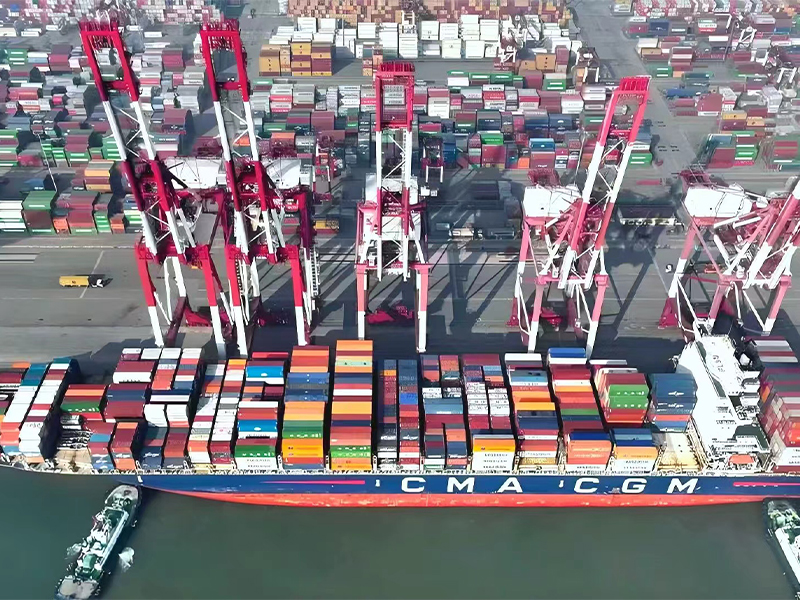
Nylon rope can stretch significantly, up to 15-30% of its original length when under load. This elasticity makes nylon rope highly preferred. It is ideal for demanding applications. Examples include towing, mooring, and anchoring. The rope’s ability to elongate helps to absorb and dissipate sudden forces, which reduces the stress on the rope and the connected equipment. In marine environments, nylon ropes are commonly used for docking and mooring lines. They can handle constant movement caused by waves. They also withstand impacts without snapping.
After being stretched, nylon ropes typically return to their original shape once the load is released. This characteristic, known as controlled retraction, allows nylon ropes to maintain their functionality over repeated uses. However, it is important to note that excessive or continuous stretching beyond their elastic limits can weaken the fibers over time.
Applications Requiring Stretch
1. Marine Use
Nylon ropes are ideal for mooring and docking lines. Their ability to absorb wave motion prevents sudden jerks that could damage boats or docks.
2. Towing and Rigging
The elasticity of nylon rope reduces the jarring effects during towing, providing a smoother and safer operation. This makes it a preferred choice for vehicles, boats, and industrial towing systems.
3. Climbing and Safety
Nylon is commonly used in dynamic climbing ropes. Its stretchability helps reduce the impact force during falls, ensuring the climber’s safety.
Advantages and Considerations
The stretchability of nylon rope offers several advantages. Its ability to dissipate energy protects not only the rope itself but also the equipment it’s connected to. Additionally, the rope’s durability and resistance to abrasion, UV rays, and chemicals make it suitable for various environments, from marine to industrial use.
However, it is crucial to inspect nylon ropes regularly. Continuous heavy usage or exposure to harsh conditions may reduce their strength and elasticity over time. Proper maintenance and replacement when needed are essential to ensure safety and optimal performance.
In conclusion, nylon rope’s elasticity makes it an invaluable tool in scenarios requiring strength, flexibility, and shock absorption. Whether on land or sea, its unique properties have established it as a reliable choice for countless industries and applications.