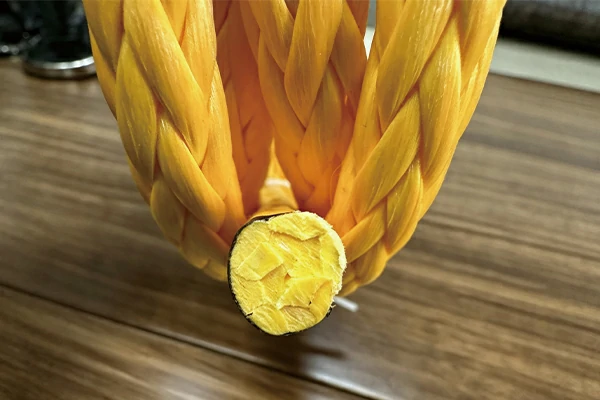
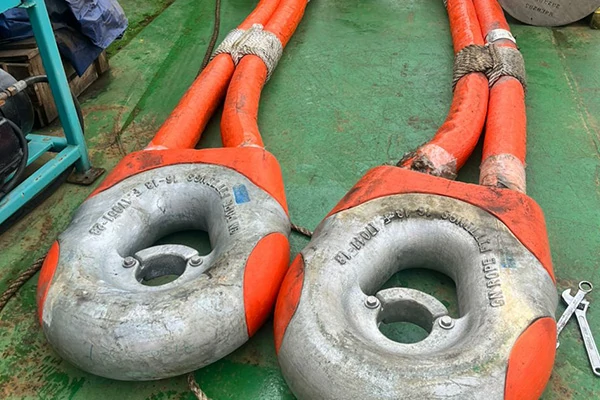
Rope failure isn’t just an inconvenience—it can cause severe accidents in industries like construction, shipping, or adventure sports. Understanding why ropes break helps users prevent dangerous situations. Here are the most common causes of sudden ropes break:
1. Overloading
Even high-strength ropes have limits. Exceeding the Working Load Limit (WLL) can cause immediate failure. Always check load ratings and include a safety margin.
2. Abrasion and Wear
Repeated friction against sharp or rough edges weakens fibres over time. Inspect ropes regularly for signs of surface damage, especially near contact points.
3. UV and Chemical Exposure
Prolonged sunlight (UV radiation) and contact with chemicals can degrade synthetic fibres. If used outdoors or in corrosive environments, choose ropes with UV and chemical resistance.
4. Improper Use or Installation
Incorrect knots, splices, or rigging techniques create localized stress. Use appropriate termination methods and avoid tight bends to maintain rope integrity.
5. Aging and Lack of Maintenance
All ropes deteriorate with age. Stiffness, discoloration, or reduced diameter indicate it’s time for replacement.
How to Choose a Safer Rope
To maximize safety and performance, consider these factors:
· Material: Nylon and polyester offer excellent strength and elasticity for dynamic loads. For high-heat or static applications, aramid fibres or steel cables may be preferable.
· Construction: Braided ropes provide better fatigue resistance and handling than twisted ones. For critical applications, kernmantle ropes (like climbing ropes) add an extra protective sheath.
· Certifications: Depending on the application, ensure compliance with international standards (e.g., ISO 9001, EN 1891 for personal protective equipment).
· Labeling and WLL: Always check the manufacturer’s load specifications. Use a safety factor appropriate to the scenario (e.g., 5:1 or 10:1 for lifting).
Regular inspection and proper storage are essential for long-term reliability. Don’t compromise—choose quality ropes from trusted suppliers to protect lives.