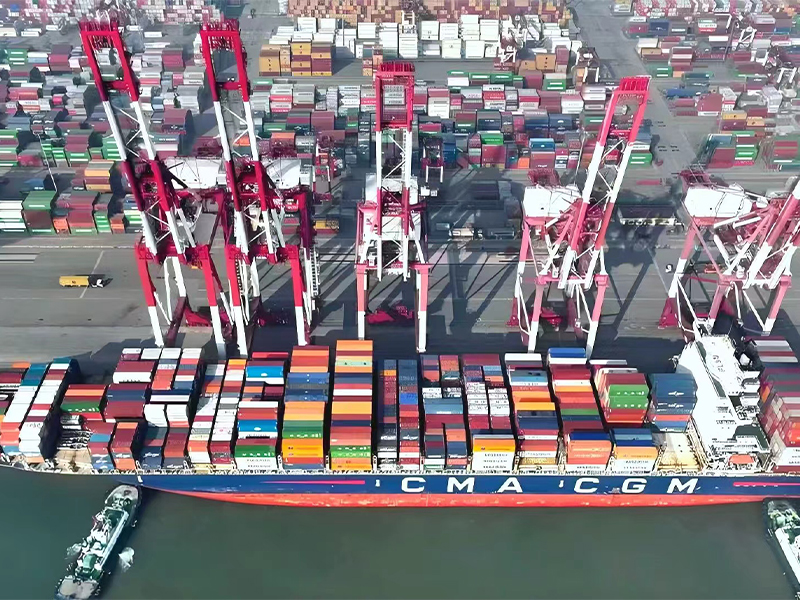
When it comes to ropes—especially mooring ropes and synthetic ropes—customers often face confusing technical questions. Here, our rope specialists answer the ten most common ones with practical, trustworthy insights.
1. What determines a rope’s strength?
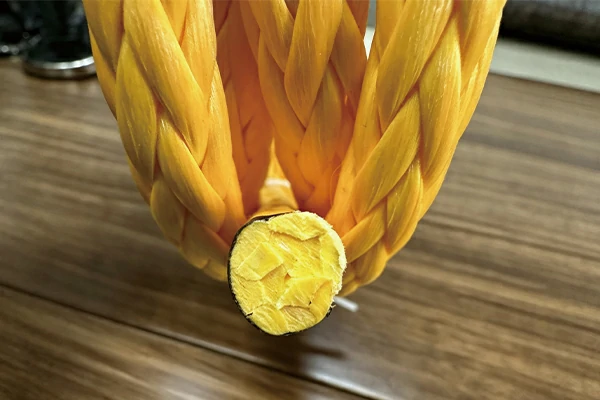
Rope strength depends on fiber type, construction, and diameter. For example, HMPE ropes are up to 10 times stronger than steel wire of the same weight.
2. What is the difference between twisted and braided ropes?
Twisted ropes are economical and easy to splice, while braided ropes offer better flexibility and lower stretch—ideal for marine use.
3. How can I choose the right rope for mooring?
Consider working load, elongation, and abrasion resistance. Nylon is best for elasticity, while polyester performs better under UV and heat.
4. What affects rope lifespan?
Friction, UV exposure, and saltwater are the main culprits. Regular rinsing and inspection can extend service life.
5. How do I test rope strength?
Use certified tensile testing equipment under controlled conditions. Never rely on visual inspection alone.
6. Can ropes float?
Yes, ropes made from polypropylene or HMPE are buoyant—useful for floating lines and marine rescue.
7. How should ropes be stored?
Keep them dry, shaded, and loosely coiled. Avoid storing near chemicals or direct sunlight.
8. What’s the safe working load (SWL)?
SWL is typically one-fifth of the rope’s minimum breaking load, ensuring safety margins.
9. How to repair damaged ropes?
Minor frays can be heat-sealed; deeper cuts require professional splicing or replacement.
10. How do I compare natural vs. synthetic ropes?
Synthetic ropes like polyester and HMPE offer higher strength, lighter weight, and longer life than natural fibers like manila.
By understanding these essentials technical questions about ropes, you’ll ensure better rope performance, safety, and reliability for every application.