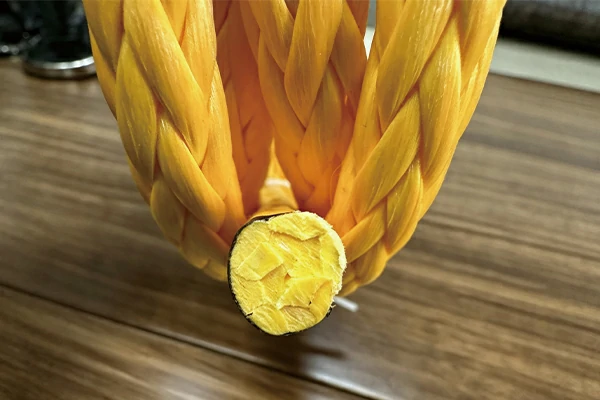
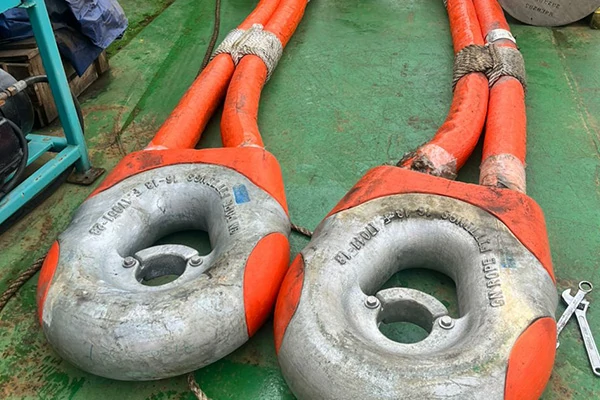
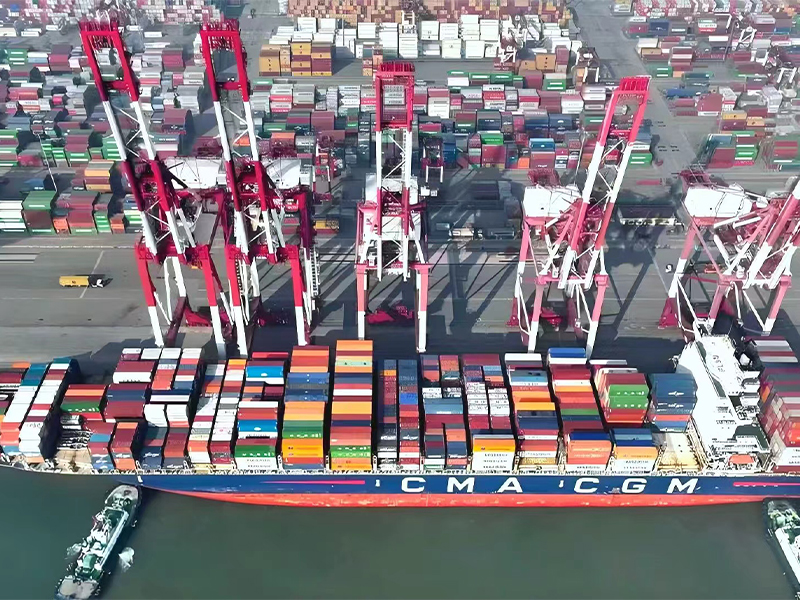
Securing boats and marine structures demands ropes that laugh in the face of harsh saltwater, relentless UV rays, and constant abrasion. Enter Polyester Mooring Rope – the modern, high-performance champion replacing traditional materials. Its engineered polymer structure delivers consistent performance where weaker materials fail.
Why Polyester Reigns Supreme
Exceptional Strength & Low Stretch: Boasts high breaking strength (often exceeding 10,000 lbs for common diameters) combined with minimal elongation (typically 10-15% at break). This low stretch is crucial – it provides a secure hold, prevents sudden “snap-back,” and reduces surge loads on cleats and deck fittings, enhancing safety and vessel stability. The controlled stretch absorbs shock gradually.
Superior Weather & UV Resistance: Polyester fibers inherently resist degradation from sunlight, saltwater, mildew, and many chemicals, ensuring a significantly longer service life compared to nylon or natural fibers. It won’t rot or weaken rapidly when wet. Look for ropes with UV inhibitors for maximum longevity.
Abrasion Toughness: Offers excellent resistance to wear against docks, pilings, and chocks, maintaining integrity under friction. High strand count construction enhances surface durability.
Manageability & Economy: Easier to handle, coil, and splice than wire rope. While the initial cost might be higher than some synthetics, its outstanding durability translates to lower long-term replacement costs and reduced maintenance downtime.
Key Applications
Permanent Mooring Lines (docks, buoys, offshore platforms)
Dock Lines for Pleasure Craft & Commercial Vessels
Towing Assist Lines
Anchor Rodes (often combined with chain)
Fish Farm Net Pen Securing
The Smart Choice
For reliable, long-lasting, and safe mooring, polyester rope is the proven workhorse. Its optimal blend of strength, low stretch, and environmental resistance makes it the go-to solution for securing assets in demanding marine environments. Invest in quality polyester mooring rope – invest in peace of mind and operational safety. Regular inspection for chafe remains essential.
Here are more details about the product.