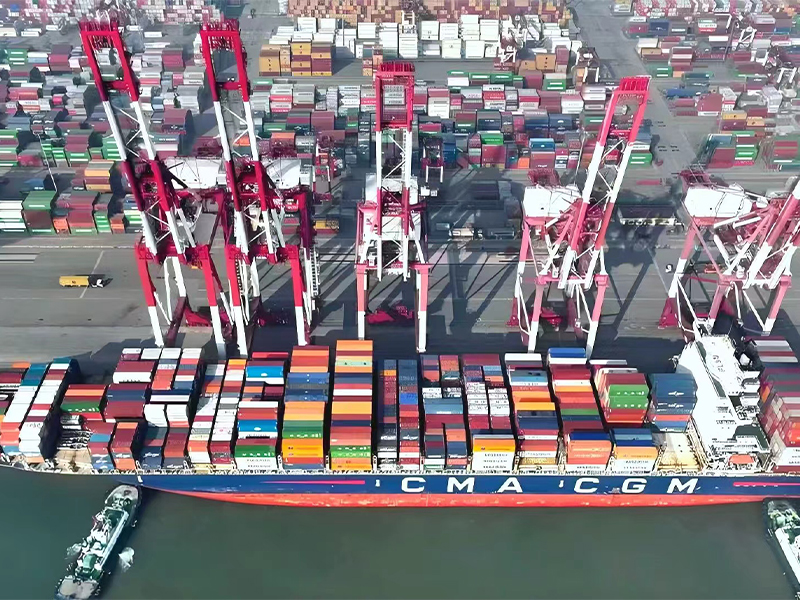
Mooring ropes play a critical role in securing vessels, offshore platforms, and port facilities under dynamic marine conditions. Their performance directly affects operational safety, service life, and overall cost efficiency. Understanding the key factors that influence mooring rope performance helps buyers select the most suitable solution for their specific applications.
1. Rope Material Selection
The raw material is one of the most important factors affecting mooring rope performance. Common materials include polypropylene (PP), polyester, nylon (polyamide), and blended synthetic fibers.
PP ropes are lightweight and float on water, making them suitable for temporary or cost-sensitive applications. Polyester ropes offer excellent abrasion resistance, low elongation, and strong UV stability, making them ideal for permanent mooring systems. Nylon ropes provide high elasticity and shock absorption, which is beneficial in areas with heavy wave or tidal movement.
2. Rope Construction and Structure
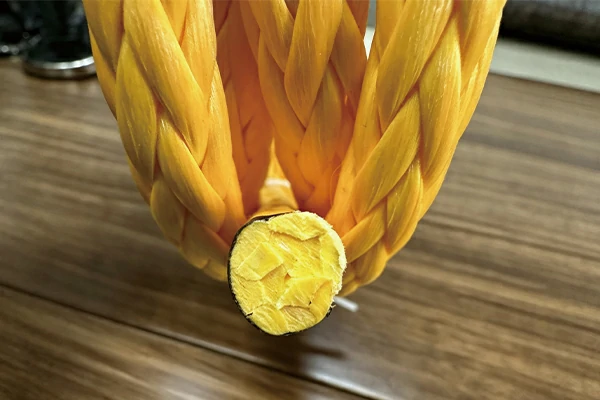
Rope construction significantly impacts strength, flexibility, and durability. Three-strand, eight-strand, and twelve-strand braided ropes each perform differently under load. Multi-strand braided constructions generally provide higher breaking strength, better load distribution, and improved handling, especially for large-diameter mooring ropes used in ports and offshore environments.
3. Breaking Strength and Safety Factor
Breaking load is a key performance indicator, but it should always be evaluated together with the safety factor. Mooring ropes must withstand both static loads and dynamic forces caused by wind, waves, and vessel movement. A properly designed safety factor ensures long-term reliability and reduces the risk of sudden failure during peak loading conditions.
4. Environmental Resistance
Marine environments expose mooring ropes to UV radiation, saltwater, abrasion, and temperature fluctuations. Ropes with poor UV resistance or inadequate surface protection may degrade rapidly. High-quality marine ropes are engineered to resist abrasion, minimize water absorption, and maintain performance under prolonged exposure to harsh sea conditions.
5. Quality Control and Manufacturing Consistency
Consistent performance depends on strict quality control during manufacturing. Factors such as raw material purity, controlled twisting tension, and batch testing directly influence rope reliability. A professional mooring rope factory implements tensile testing and dimensional inspections to ensure uniform quality across all production batches.
📩 Contact us today to discuss your project, request samples, or receive a detailed quotation from the factory.