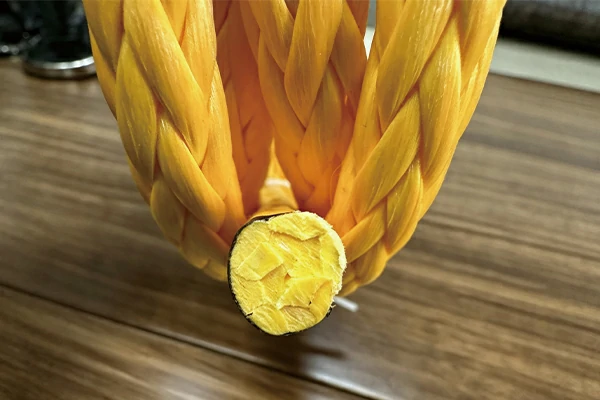
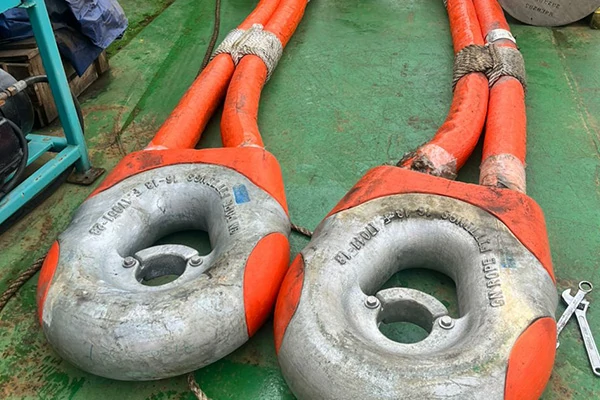
In the industrial ecosystem of global trade and seafood supply chains, marine ropes transform from simple tools into engineered lifelines.
Port Operations: Where Physics Meets Precision
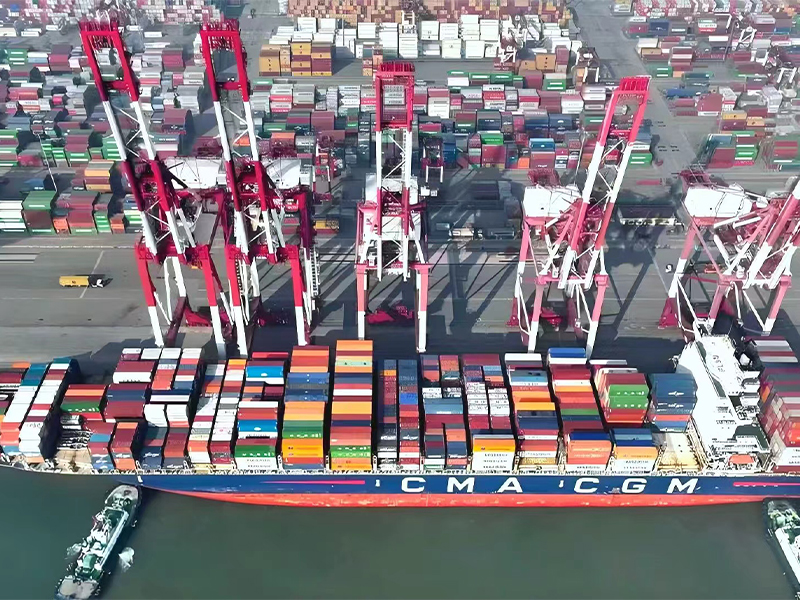
– Mega-Vessel Berthing: Ultra-High Molecular Weight Polyethylene (UHMWPE) mooring lines with minimum breaking loads (MBL) of 400+ tonnes anchor 24,000-TEU container ships against 60-knot winds.
– Crane Lifting Evolution: Ceramic-infused polyester slings reduce wear by 83% during 50,000+ container lifts (ISO 2307 certified), outperforming steel wire’s fatigue life by 5:1.
– Hazard Zone Innovation: Conductive carbon-core ropes dissipate static at LNG terminals, meeting IECEx/ATEX explosion-proof standards.
Commercial Fishing: Engineering Ocean Conquest
– Deep-Sea Trawling:
Lead-impregnated hybrid warps maintain ±1.5° seabed contact at 2,000m depths (IMAREST 2024)
Buoyant Dyneema®-PP ropes cut 35% drag vs. steel cables, saving $28,000/year in fuel per vessel
– Catch Preservation:
Anti-twist braided longlines reduce tuna slippage by 95%
HMPE-core purse seine ropes withstand 40-tonne mackerel shoal loads
Industry 4.0 Integration
Smart rope systems now drive operational excellence:
– RFID-embedded cores track tension peaks exceeding 80% MBL in real-time
– Fiber-optic sensor strands predict residual strength with 92% accuracy (Lloyd’s Register API)
– Blockchain-enabled traceability from polymer extrusion to retirement
A 2024 DNV-GL study quantifies ROI: Ports using ISO 18692-certified ropes reduced downtime costs by 48%, while fishing fleets with DNV-ST-0378 warps slashed gear loss by 74%.
> Engineering Imperative – Optimal rope selection requires:
– Material Science Mastery (UV degradation thresholds, saltwater hydrolysis resistance)
– Failure Mode Analysis (cyclic bending fatigue, splice efficiency)
– Regulatory Alignment (SOLAS Ch.II-1/3-8, IMO MSC.1/Circ.1620)
Sum up
Marine ropes play an irreplaceable and critical role in port handling and fishing, serving as an invisible engine for global maritime productivity.