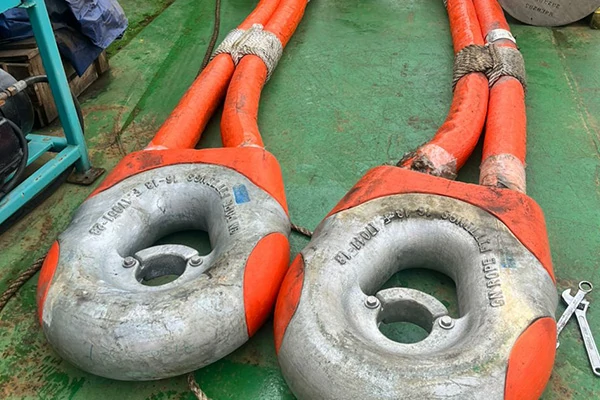
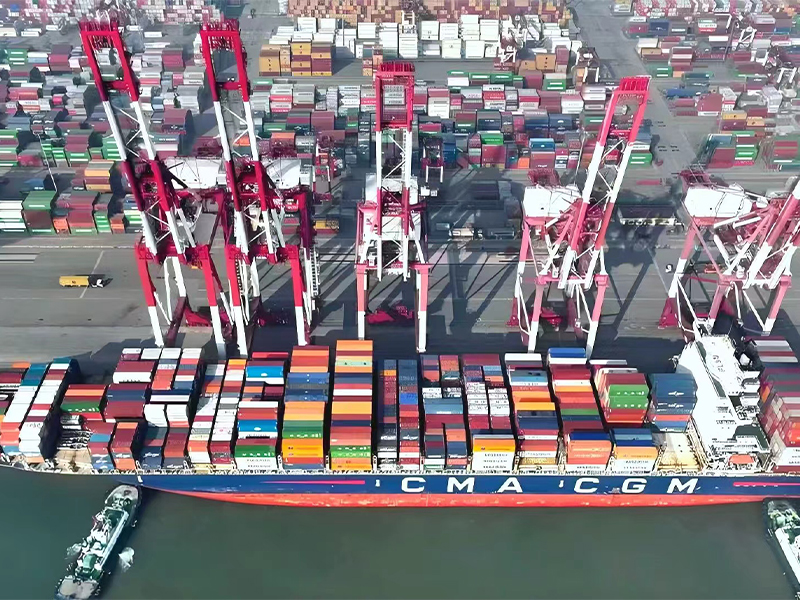
In the maritime industry, mooring ropes play a vital role in securing vessels safely at the dock, jetty, or offshore platform. These ropes are offering the perfect balance of strength, flexibility, and durability. But how exactly does a mooring rope work?
1. The Basic Principle
A mooring rope functions by absorbing and distributing the external forces acting on a vessel caused by wind, waves, and currents. When tied to a dock or buoy, the rope keeps the vessel stable while allowing limited movement to prevent excessive strain. Its elasticity helps dampen shock loads, protecting both the ship and the dock fittings.
2. Construction and Materials
Modern marine ropes are made from high-performance synthetic fibers such as polypropylene (PP), polyester, and nylon:
- Polypropylene ropes are lightweight and floatable—ideal for short-term mooring or towing.
- Polyester ropes provide excellent abrasion and UV resistance, ensuring long-lasting performance.
- Nylon ropes deliver superior tensile strength and elasticity, effectively absorbing dynamic loads in heavy seas.
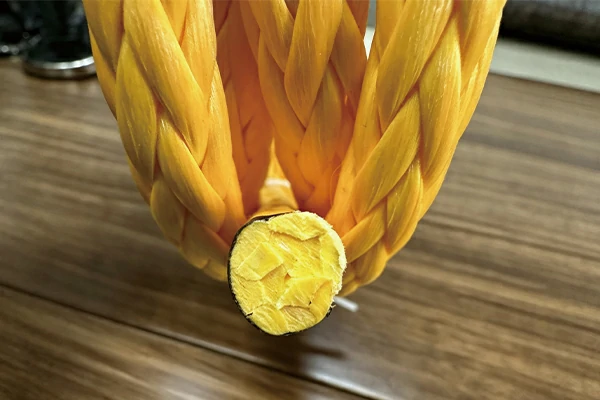
Braided and twisted constructions are commonly used to combine flexibility, durability, and knot stability for different marine applications.
3. Durability and Safety
A quality mooring rope must withstand UV exposure, saltwater corrosion, and mechanical abrasion. Regular inspection, cleaning, and proper storage help maintain strength and extend service life—ensuring safe and efficient mooring operations.
4. The Role in Modern Mooring Systems
In today’s maritime industry, mooring ropes are integral to advanced mooring systems that use load sensors and tension monitoring for safer, more efficient operations. These technologies reduce failure risks and improve vessel handling even under extreme conditions.
⚓ Choose the Right Mooring Rope for Your Vessel
Selecting a reliable mooring rope is essential for marine safety and performance.
👉 Contact us today to find the best high-strength, UV-resistant, and durable mooring ropes for your applications — built to perform in every marine environment.