Lightweight, strong, and floating effortlessly on water – polypropylene (PP) rope is a familiar sight. While standard PP rope serves basic needs, high-strength PP rope is engineered for demanding performance where failure isn’t an option.
Standard PP rope, made from extruded flat webbing often using recycled or lower-grade material, is a cost-effective choice for bundling, light tie-downs, or temporary fencing. However, it’s prone to kinking, tangling, and developing permanent bends (“memory”). More critically, the flat shape concentrates stress, making it significantly more susceptible to abrasion, UV degradation, and cuts , especially along its edges. Its tensile strength is modest and degrades faster over time.
High-strength PP rope steps in as the engineered solution. The key differences start at the molecular and structural level:
Premium Material: It uses high-purity, virgin polypropylene resins for superior inherent strength and UV stability.
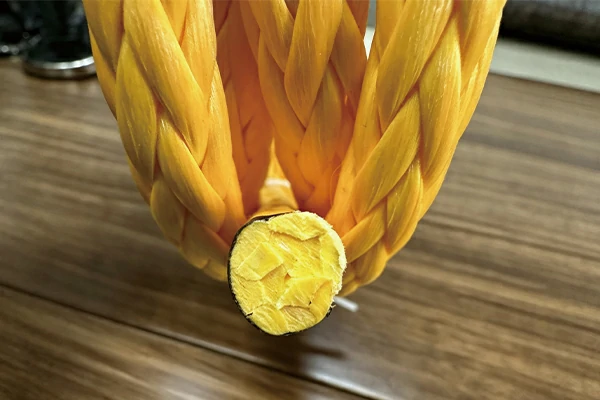
Advanced Construction: Instead of flat tape, the PP is extruded as fine monofilaments or multifilament yarns . These yarns are then precision braided (typically 8-strand or 12-strand) into a smooth, round profile.
Performance Leap: This round braid eliminates the stress points of flat tape, distributing load evenly. The result is a 25%-30% increase in tensile strength, vastly improved abrasion and cut resistance , and superior resistance to UV breakdown . It also handles infinitely better – resisting kinks, running smoothly through hardware, and being easier to splice professionally. Crucially, high-strength formulations minimize stretch and creep , providing stable, reliable performance under constant load.
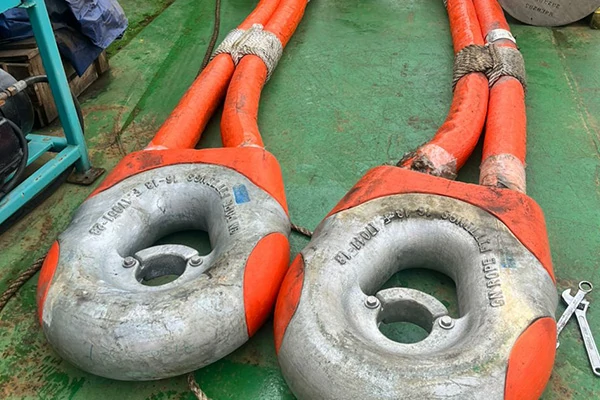
Standard PP flat tape is fine for simple, low-risk jobs. But when you need reliable strength, durability, smooth handling, and stability for marine mooring, heavy towing, construction rigging, safety barriers, or critical cargo lashing, high-strength braided PP rope is the clear, professional-grade choice. It’s a difference in design, material, and performance that matters where it counts.