Floating rope borders create visible boundaries in water areas. People use them to mark safe swimming zones in lakes or pools. They also separate boat lanes from swimming areas. These ropes are highly visible and easy to install. Their buoyancy ensures they stay afloat in all conditions.
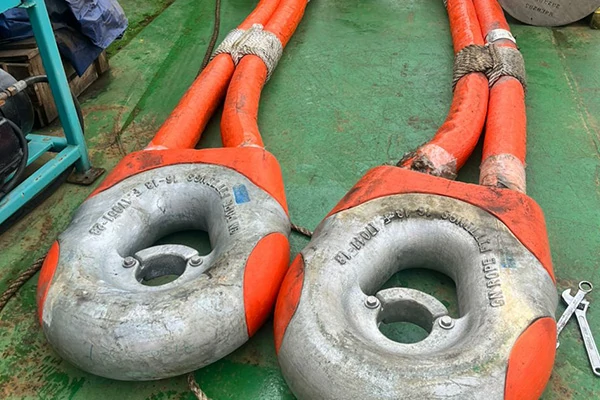
Floating rope borders often pair with mooring ropes for added functionality. Mooring ropes anchor the floating borders to fixed points like docks or buoys. This prevents the borders from drifting away. High-quality mooring ropes resist wear from water and weather. Together, they create a secure and organized water space.
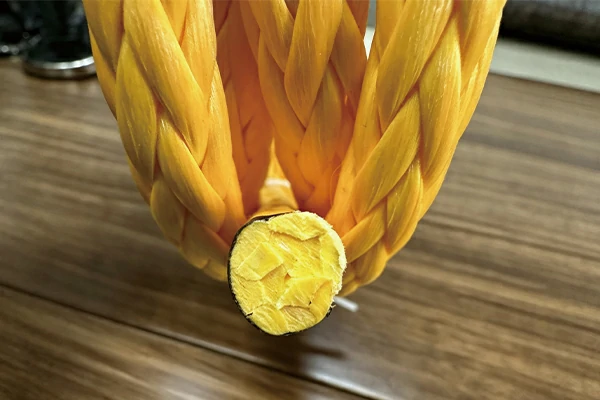
The ropes are made from durable materials like polypropylene. These materials resist UV rays, saltwater, and mildew. The floating design ensures they remain on the water’s surface. Bright colors like yellow or orange enhance visibility. This makes them ideal for safety and navigation purposes.
Installation of floating rope border is simple and quick. Workers attach the ropes to mooring points using connectors. Proper spacing ensures clear and effective boundaries. Regular checks maintain their position and functionality. This setup is perfect for both temporary and permanent use.
Maintenance of floating rope borders involves regular inspections. Check for wear, tear, or damage to the ropes. Clean them to remove algae or debris. Inspect mooring ropes for fraying or weakening. Replace damaged parts promptly to ensure safety.
Floating rope borders and mooring ropes serve many applications. They mark swimming areas in public pools or beaches create safe zones for water sports like kayaking or paddleboarding. They even organize fishing areas in lakes or ponds. Their versatility makes them essential for water management.
In conclusion, floating rope borders provide clear and safe water boundaries. When paired with mooring ropes, they offer stability and organization. Proper installation and maintenance ensure their effectiveness. These tools play a vital role in water safety and management.