Both Diamond Braid Polypropylene Rope and Regular Polypropylene Rope are widely used for various applications due to their durability, strength, and lightweight properties. However, they have distinct differences in terms of construction, flexibility, and performance, which make each type suitable for specific tasks.
1. Construction and Design
Diamond Braid Polypropylene Ropes:
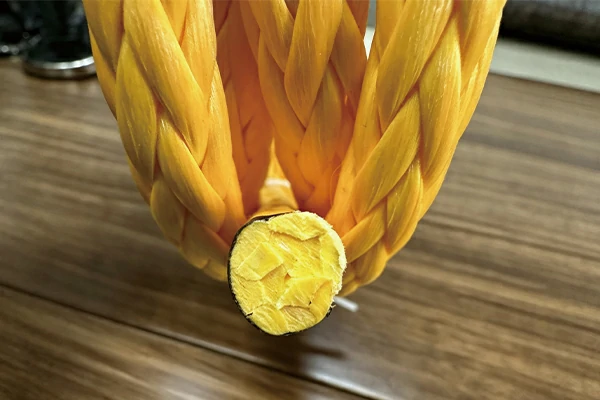
This rope features a diamond braid construction, where the strands are woven in a pattern that resembles a diamond shape. This braided design increases the rope’s flexibility and strength, making it more resistant to abrasion and fraying. The diamond braid provides a smooth surface, making it easier to handle and knot.
Regular Polypropylene Rope:
Regular polypropylene rope is typically twisted (often a 3-strand or 4-strand twisted construction). This rope is generally stiffer and less flexible than diamond braid ropes, which can make it more difficult to handle, especially under tension. The twisted design offers basic strength and durability but lacks the enhanced flexibility and smoothness found in diamond braid ropes.
2. Durability and Performance
Diamond Braid Polypropylene Ropes:
The diamond braid structure offers better abrasion resistance compared to regular polypropylene rope. It is ideal for tasks where the rope will come in contact with rough surfaces or undergo frequent wear, such as towing, mooring, and recreational activities. Additionally, it is better suited for outdoor applications where UV exposure can degrade the rope over time.
Regular Polypropylene Rope:
Although polypropylene is inherently resistant to moisture, rot, and mildew, regular twisted ropes do not have the same level of abrasion resistance as diamond braid ropes. While still durable and suitable for general purpose use, it may not perform as well under conditions where ropes are subjected to frequent friction or harsh environmental factors.
3. Flexibility and Handling
Diamond Braid Polypropylene Ropes:
Due to its braided construction, the diamond braid rope is more flexible and easier to handle compared to regular twisted polypropylene rope. It is less prone to kinking or tangling, which makes it a preferred choice for applications that require frequent handling, such as in boating, climbing, or camping.
Regular Polypropylene Rope:
Twisted polypropylene ropes, while still flexible, are more prone to kinking and coiling compared to braided options. They may not be as easy to handle in situations requiring quick and smooth deployment or when the rope is in constant use.
4. Strength and Load-Bearing Capacity
Diamond Braid Polypropylene Ropes:
Diamond braid ropes offer excellent strength-to-weight ratio, making them ideal for applications that require strong, yet lightweight ropes. Their braided construction enhances their load-bearing capacity while maintaining flexibility. For example, diamond braid polypropylene ropes can bear significant weight without losing its shape, making it highly suitable for heavy-duty tasks.
Regular Polypropylene Rope:
Regular twisted polypropylene ropes typically have lower strength when compared to braided versions, especially for the same diameter. The twisted fibers may be more susceptible to wear under heavy loads, but they still offer sufficient strength for many general-purpose applications.
5. Applications
Diamond Braid Polypropylene Ropes:
Due to its durability, flexibility, and abrasion resistance, this rope is commonly used in marine environments, for mooring, towing, recreational activities, and in industrial applications where ropes are subjected to high levels of wear. It is also popular for outdoor uses like climbing ropes and camping gear.
Regular Polypropylene Rope:
Regular polypropylene rope is widely used for light-duty applications, such as general utility work, fishing nets, gardening, and home use. It is often employed in tasks that do not involve frequent or heavy abrasion.
6. Cost
Diamond Braid Polypropylene Ropes:
Due to its more complex construction, diamond braid polypropylene rope is generally priced higher than regular polypropylene rope. However, its durability and performance can justify the extra cost, especially for demanding tasks where higher strength and longevity are essential.
Regular Polypropylene Rope:
Regular polypropylene rope is usually more cost-effective than diamond braid ropes, making it a popular choice for budget-conscious consumers or for tasks where extreme durability is not a critical factor.
Conclusion
In summary, diamond braid polypropylene rope excels in flexibility, strength, and abrasion resistance, making it ideal for demanding marine, industrial, and recreational applications. Its smooth, durable design offers superior handling, making it suitable for tasks involving friction, heavy loads, or frequent handling. On the other hand, regular polypropylene rope, with its simpler construction and lower cost, is better suited for general-purpose use and situations where abrasion resistance and flexibility are not as critical. The choice between the two depends on the specific requirements of the task at hand.