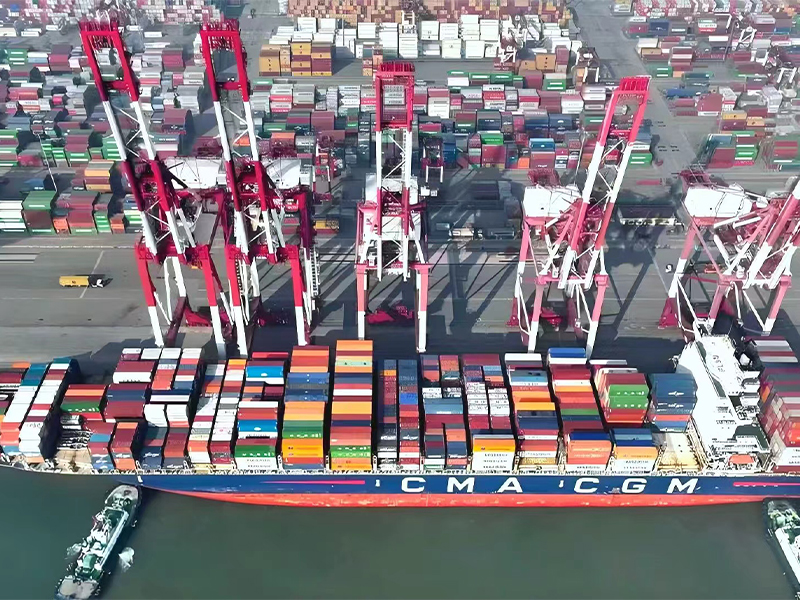
Why can a single rope stop a cargo ship weighing tens of tons? When a ship docks, workers use a rope to pull it to a stop by wrapping it around a mooring bollard several times. This is mainly due to the friction generated when the rope is wrapped around the bollard; the more wraps, the greater the friction.
To dock a small boat, generally four wraps are needed, while larger vessels may require six or more wraps. The number of wraps needs to be carefully calculated, otherwise the rope may break.
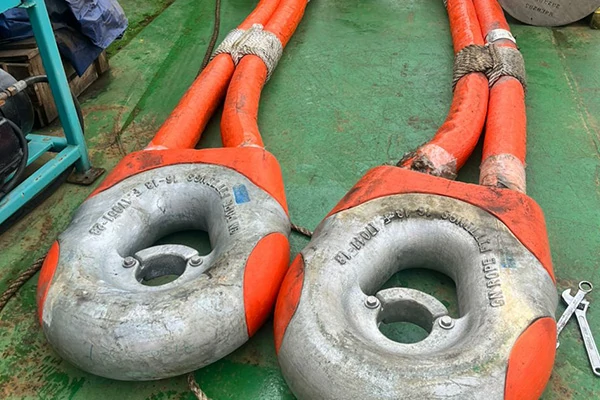
Today’s high-performance synthetic ropes—made from materials such as UHMWPE , polyester, or nylon—offer an exceptional strength-to-weight ratio. A single UHMWPE rope can withstand loads exceeding hundreds of tons, while remaining light and easy to handle. Compared to steel wire, synthetic mooring ropes resist corrosion, absorb shock, and maintain flexibility in extreme conditions.
When a ship moves, the rope’s elasticity absorbs and distributes the force, preventing dangerous tension spikes. This controlled flexibility protects both the vessel and the dock, ensuring safe mooring operations even in harsh marine environments.
Each rope undergoes rigorous load testing and certification, often conforming to international standards such as OCIMF, ISO, and ABS. These ensure consistent performance across global ports and offshore applications.
So, while it may look like a simple rope, it represents the culmination of decades of innovation in marine engineering and fiber technology.
👉 Looking for certified high-performance mooring ropes?
Contact our marine solutions team today, find the right rope for your vessel and ensure safety you can rely on.