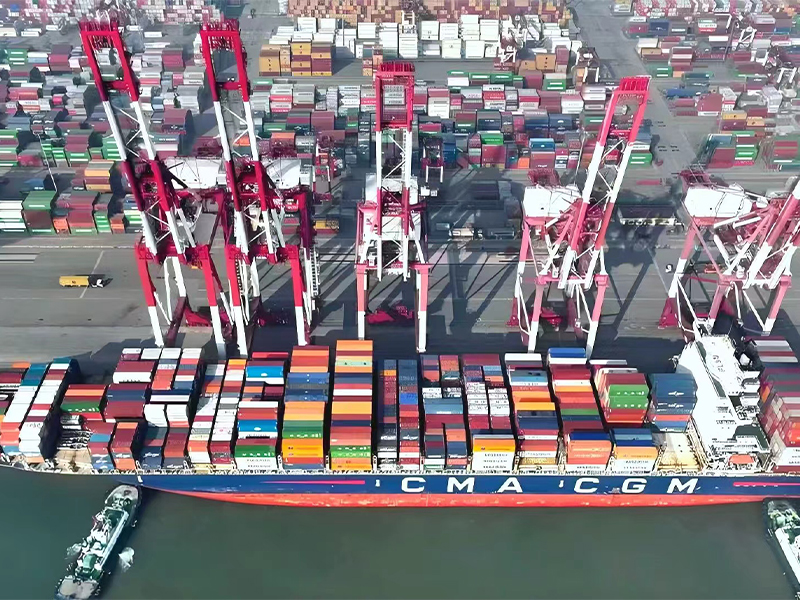
In daily port operations, mooring ropes play a vital role in securing vessels safely and efficiently. Correct procedures significantly reduce risks and improve operational reliability. Below are essential rope usage tips every port worker should follow.
1. Inspect Ropes Before Each Operation
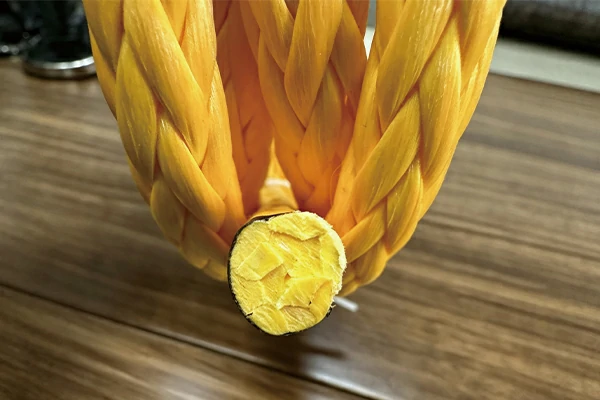
Before handling any mooring line, workers should inspect the rope surface for signs of wear, cuts, UV degradation, stiffness, or abnormal flattening. Damaged marine ropes may cause sudden breakage under load, posing serious safety risks. Regular inspection helps identify issues early and ensures reliable performance.
2. Maintain Clean and Dry Rope Storage
Store mooring ropes in a clean, shaded, and ventilated area. Long-term exposure to direct sunlight, saltwater, or chemicals may weaken fiber strength. Coiling ropes properly and avoiding sharp edges prevents deformation and internal stress, extending the rope’s service life.
3. Keep Safe Distance from Loaded Ropes
During mooring operations, always maintain a safe distance from tensioned mooring lines. A sudden snapback effect can occur when a rope breaks under load, creating a dangerous recoil zone. Clear communication and designated safety areas help minimize accidents.
4. Use Proper Handling Techniques
Avoid dragging ropes across rough surfaces or equipment edges. This can cause abrasion and reduce breaking strength. When guiding ropes onto bollards or winches, ensure smooth alignment and prevent over-twisting, which can weaken the rope’s structure. Using gloves enhances grip and reduces hand injuries.
5. Monitor Load Limits and Tension
Every type of marine rope has a specific breaking strength and recommended working load. Port workers should understand these limits and avoid exceeding safe working loads. Using tension monitoring systems or winch indicators helps maintain optimal safety during high-load operations.
6. Regularly Rotate and Replace Ropes
To keep performance stable, rotate ropes in use to balance wear. Replace ropes once they show irreversible damage or if performance tests indicate reduced strength. Proper lifecycle management reduces downtime and keeps operations running smoothly.
Conclusion
By following these practical rope usage tips, port workers can enhance safety, extend rope lifespan, and ensure efficient mooring operations across various port environments.
Contact us today for detailed mooring rope specifications or technical support.