Choosing the right mooring rope is essential for vessel safety, operational efficiency, and long-term cost control. However, with the increasing number of unqualified suppliers in the global marine market, fake or low-quality mooring ropes are becoming more common. These products often look acceptable on the surface but fail under load, posing severe safety risks. Below are several practical methods to help you identify inferior mooring ropes before placing an order.
1. Check the Raw Material Quality
High-performance mooring ropes are commonly made from premium polypropylene, nylon, or polyester fibers. Fake products often use recycled or blended materials, which significantly reduce breaking strength. A quick test is to examine the surface gloss and flexibility—authentic fibers look cleaner and feel smoother, while recycled materials appear dull and stiff.
2. Verify the Breaking Load and Test Reports
A reliable manufacturer always provides official breaking strength test reports that match international standards such as ISO, OCIMF, or Class Society requirements. Low-quality suppliers may provide inconsistent or incomplete data. Always cross-check the certificate number, test date, and rope diameter to ensure accuracy.
3. Inspect the Rope Structure and Uniformity
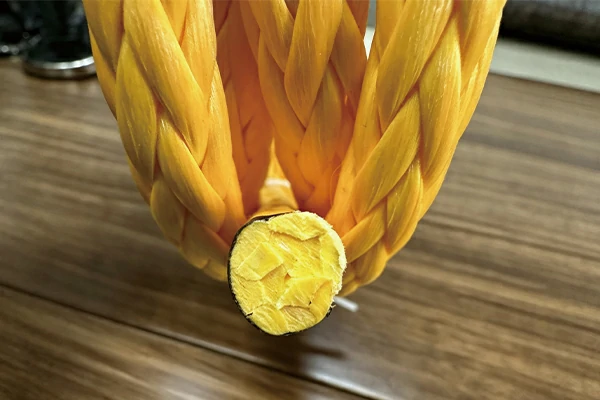
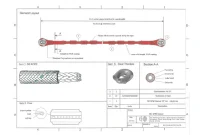
Quality mooring ropes, whether 8-strand or 12-strand, have consistent braiding and balanced tension. Fake ropes show loose braiding, uneven yarn twists, or visible gaps between strands. These flaws reduce load-bearing capacity and shorten service life.
4. Assess UV and Abrasion Resistance
Marine environments expose ropes to sunlight, saltwater, and constant friction. Genuine mooring ropes incorporate UV stabilizers and abrasion-resistant coatings. If the rope surface feels powdery, overly soft, or fades quickly in sunlight, it likely lacks proper protection.
5. Evaluate the Supplier’s Manufacturing Capability
A trustworthy mooring rope manufacturer offers transparent production processes, quality control steps, and OEM customization. Fake or low-quality producers typically avoid factory audits, provide unclear specifications, or change materials without notice.
If you are looking for reliable, high-strength mooring ropes, contact us today for technical specifications, free samples, or a competitive quotation.