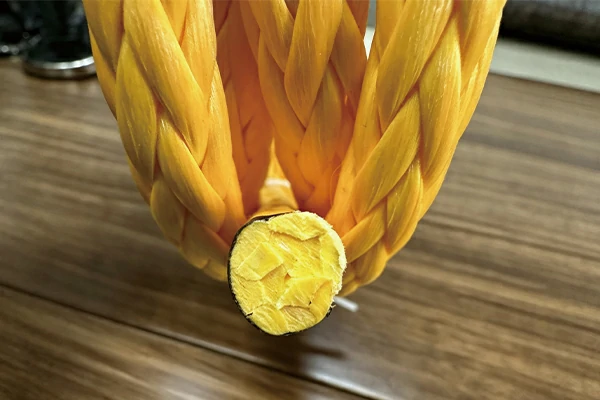
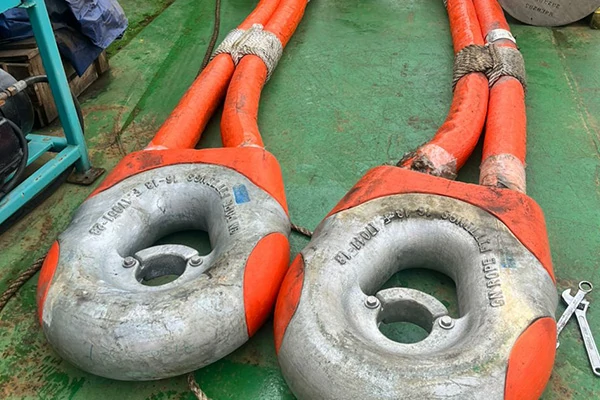
In the global maritime industry, choosing the right marine mooring rope supplier can make or break your business. Whether you’re a marine rope distributor, importer, or trading company, understanding how to import marine mooring ropes efficiently ensures consistent quality, compliance, and profitability.
1. Import Process Overview
The import process begins with product selection — define rope material (nylon, polypropylene, or polyester) and required breaking strength based on end use. After confirming specifications, your marine rope manufacturer produces according to order requirements.
Shipping is typically arranged via sea freight, with key documents including the commercial invoice, packing list, bill of lading, and Certificate of Origin. Coordinating closely with your supplier and freight forwarder ensures smooth customs clearance and timely delivery.
2. International Standards and Certifications
Compliance with global standards builds trust with clients and maritime authorities:
- CE marking – confirms conformity with EU safety directives.
- ISO 2307 – defines testing methods for rope breaking strength and elongation.
- ABS / Lloyd’s Register Certification – ensures rope reliability for vessel and offshore applications.
Certified ropes not only enhance brand credibility but also open access to high-end marine supply markets.
3. Packaging and Transport Guideline
High-quality packaging protects ropes from UV light, salt, and moisture. Most exporters use coils, reels, or pallets wrapped with protective film. For international shipments, make sure wooden pallets comply with ISPM 15 standards. Clear labeling helps prevent confusion at destination ports.
4. How to Reduce Shipping Costs
Smart logistics planning directly affects profitability. Combine smaller batches into full-container loads (FCL) to lower freight per ton. Compare FOB and CIF pricing to balance control and cost. Long-term partnerships with freight forwarders or marine logistics agents often lead to better shipping rates.
5. Common Importer FAQs
Q: What is the average lead time for marine ropes?
A: Around 25–40 days, depending on size and destination.
Q: Can I request private-label packaging?
A: Yes, most marine rope suppliers support OEM or branded packaging.
Q: Which documents are required for customs clearance?
A: Bill of lading, invoice, packing list, and Certificate of Origin are essential.
By following this marine mooring ropes import guide, distributors can reduce risks, meet international standards, and strengthen global supply chains.
📩 Looking for a reliable marine rope supplier? Contact us today for technical consultation, product catalog, and competitive quotation.