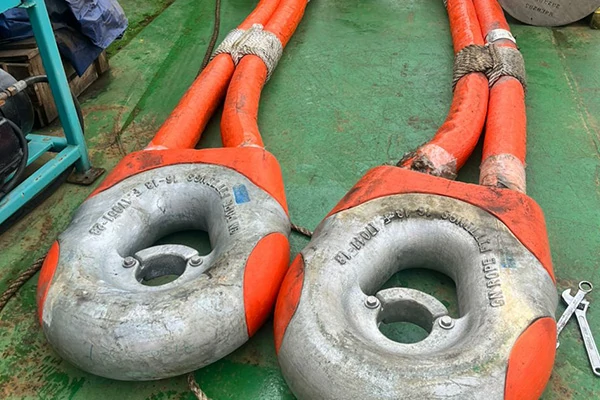
For decades, steel wire ropes defined mooring operations across ports and offshore industries. Known for their strength, they were seen as essential. Yet with new demands for safety and efficiency, synthetic fiber mooring ropes have become the preferred choice—lighter, safer, and more reliable than steel.
Lightweight and Easy Handling
In a fiber vs steel rope comparison, weight is the most obvious difference. Synthetic ropes are up to 80% lighter than steel cables, making them easier to transport, deploy, and retrieve. This reduces crew fatigue and speeds up mooring tasks, allowing for smoother port operations and quicker turnaround times.
Corrosion and Durability
Steel ropes are vulnerable to rust, abrasion, and saltwater corrosion, which lead to high maintenance costs. By contrast, high-strength marine ropes made from synthetic fibers resist UV, chemicals, and seawater. This durability ensures a longer service life, minimizing downtime and replacement expenses—key advantages for modern shipping companies.
Superior Safety
Safety remains the top concern in mooring. When steel wires snap, they recoil with dangerous energy, posing serious risks to crew. Synthetic mooring ropes store far less kinetic energy, drastically reducing the chance of injury. Their smooth, flexible design also avoids sharp strands that often cause hand injuries with steel cables.
Modern Mooring Solutions
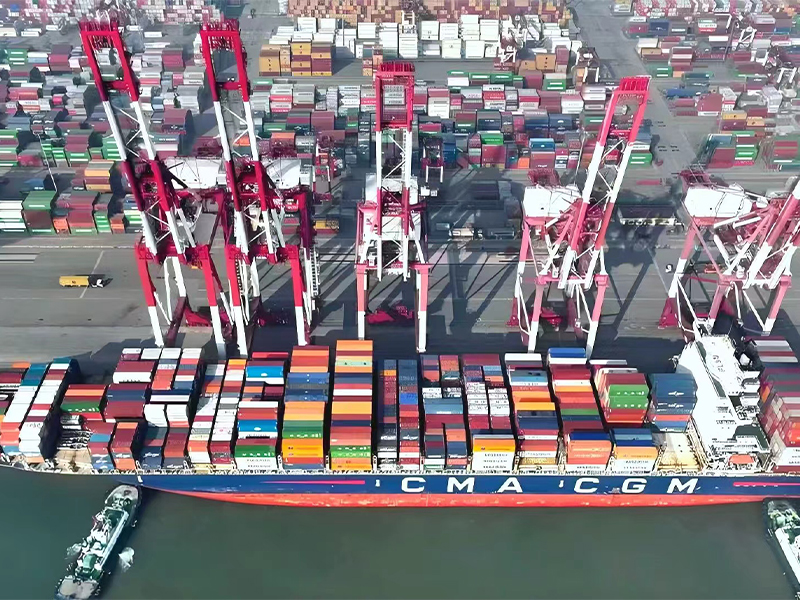
The rise of modern mooring solutions is reshaping global ports and offshore terminals. Synthetic fiber ropes combine strength, ease of use, and resilience, making them a safer and smarter choice for vessels of all sizes.
By moving beyond steel, operators are investing in efficiency, safety, and long-term value. Synthetic ropes are not just an alternative— they are the future standard for maritime mooring safety worldwide.
Looking for high-quality synthetic ropes? Check our product catalog and feel free to contact us.