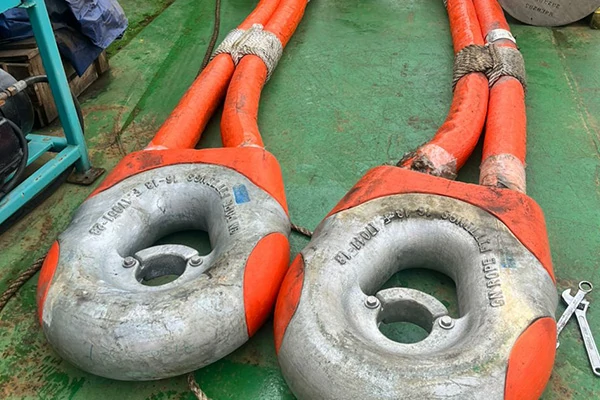
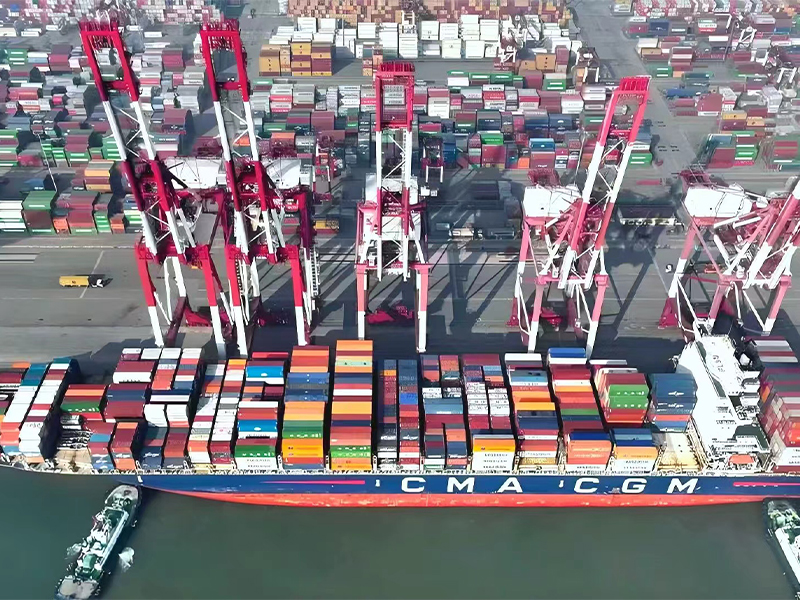
Forget sleek hulls and powerful engines for a moment. Often overlooked but utterly fundamental to safety at sea are the ropes and lines holding everything together. These are the true lifelines of any vessel. A critical failure in a mooring line, halyard, or towing hawser isn’t just inconvenient; it’s catastrophic. Proactive rope inspection is the cornerstone of marine safety.
The Imperative for Inspection
Marine ropes endure relentless assault: cyclic tension loads, abrasive sheave contact, saltwater corrosion, and UV degradation. Such stressors cause cumulative damage often concealed within core structures. External indicators – excessive fuzzing, localized flattening, chemical discoloration, or kink deformation – signal compromised Safe Working Load (SWL). Unaddressed damage precipitates sudden rope failure, endangering crews, vessels, and marine environments while violating classification society standards (e.g., OCIMF MEG4, CI 1800).
Professional Inspection Methodology
1. Visual Assessment
Examine under tension and relaxed states. Flag: cut yarns, glazed surfaces (heat damage), asymmetric swelling (core rupture), UV bleaching, and permanent deformations.
2. Tactile Evaluation
Hand-over-hand inspection detects internal inconsistencies: softened segments indicating core fatigue, grit intrusion, or abnormal stiffness from chemical exposure.
3. Documentation & Benchmarking
Maintain logs of service hours, peak load events, and environmental exposure. Cross-reference damage against manufacturer discard criteria.
4. Termination Focus
Prioritize inspection near splices, thimbles, and eyes – common failure initiation points.
5. Zero-Tolerance Action
Immediately retire ropes exhibiting: >10% jacket abrasion, core protrusion, rigid polymerization, or reduced diameter >15%. Compliance demands replacement – not repair.
Operational Imperative
Mastering these rope inspection method to keep marine safety. Cordage inspection transcends maintenance; it’s fundamental risk mitigation. Implementing scheduled inspection regimes prevents equipment loss, ensures regulatory compliance, and ultimately preserves human life. In maritime operations, the strongest chain remains only as reliable as its most neglected rope.