Ensuring your vessel stays securely docked requires adapting mooring techniques to the dock type and prevailing conditions. Here’s how to achieve “worry-free mooring”:
1. Open Finger Piers (Exposed to Wind/Waves)
Challenge: Strong lateral forces, vessel surge.
Solution: Employ spring lines as the primary holding force. Use long, angled fore and aft springs crossed in a “X” pattern to limit forward/aft movement. Add breast lines (short, perpendicular lines) for stability, but avoid relying solely on them.
2. Tight, Sheltered Marinas (Minimal Surge, Crowded)
Challenge: Preventing contact with neighboring vessels or docks in confined spaces.
Solution: Prioritize breast lines to hold the boat off the dock. Use slightly shorter spring lines to control minor fore/aft drift. Ensure all lines have moderate tension – overtightening stresses cleats and hull.
3. Tidal Range Docks (Floating Pontoons, Fixed Pilings)
Challenge: Accommodating significant water level changes.
Solution: Use LONG dock lines with ample slack (calculated for high tide range). Employ anti-chafe gear where lines pass through rings or over edges. Secure lines to mid-boat cleats to allow vertical movement. Consider pendant lines on fixed pilings.
Critical Safety & Line Management
Chafe Protection: Mandatory at all contact points (chocks, pilings, dock edges). Use leather, hose, or commercial sleeves. Inspect frequently.
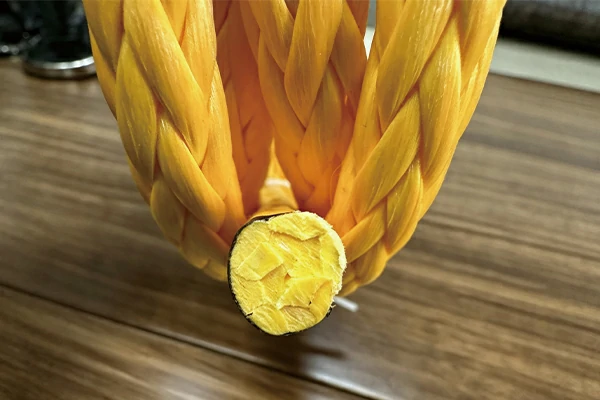
Line Material: Choose durable, stretch-appropriate lines (e.g., nylon for shock absorption). Replace worn lines immediately.
Knots: Master essential, secure, and easily adjustable/releasable knots: Cleat Hitch, Bowline, Round Turn & Two Half Hitches.
Never Single-Point Mooring: Always use multiple lines (minimum: bow, stern, two springs) distributing the load.
Constant Vigilance: Monitor lines and fenders continuously, especially during weather changes, wake, or tidal shifts. Adjust tension and position as needed.
Summary
Proactive dock line security, strategic fender placement, and adapting to the specific dock environment are fundamental for vessel safety and preventing costly damage. Master these mooring techniques for truly carefree docking.