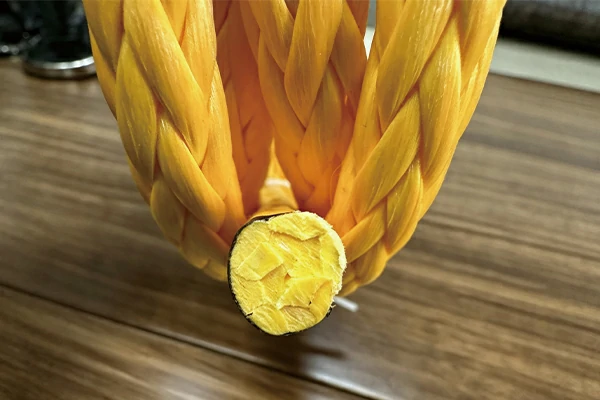
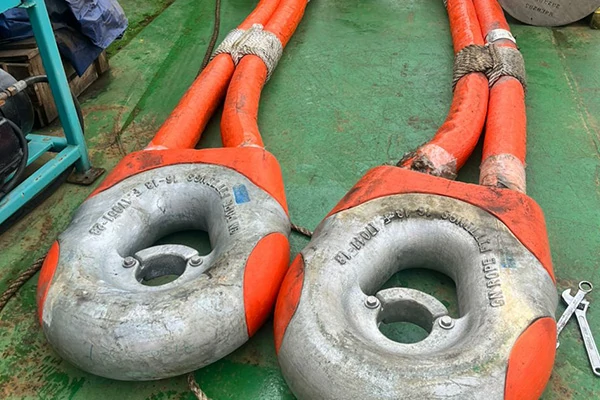
Choosing the right marine rope is critical for safety, efficiency, and long-term value. Nylon ropes, polyester ropes, and polyethylene ropes dominate the market, but their properties vary dramatically. Understanding these differences prevents equipment failure and costly replacements in saltwater environments. Here’s an in-depth comparison:
| Property | Nylon Rope | Polyester Rope | Polyethylene Rope |
| Strength | ★★★★☆ (High, especially wet) | ★★★★★ (Highest, stable) | ★★☆☆☆ (Low-medium) |
| Stretch | ★★★★★ (Shock-absorbing) | ★★☆☆☆ (Low, minimal creep) | ★☆☆☆☆ (Rigid) |
| Abrasion Res. | ★★★☆☆ (Good) | ★★★★★ (Excellent) | ★★☆☆☆ (Moderate) |
| UV Resistance | ★★☆☆☆ (Requires treatment) | ★★★★★ (Superior) | ★★★☆☆ (Good) |
| Floats | No (Sinks) | No (Sinks) | Yes (Permanently) |
| Price | $ (Medium) | $ (Premium) | $ (Budget-friendly) |
Application-Specific Recommendations
1. Mooring/Anchor Lines
→ Nylon is king
Its energy-absorbing stretch (25%+) handles tidal surges and wind gusts, reducing peak loads on boat cleats and anchor chains by up to 40%.
2. Running Rigging (Sheets/Halyards)
→ Polyester dominates
Near-zero stretch maintains sail shape for racing performance. Resists UV degradation and saltwater corrosion 3x longer than nylon.
3. Tow Ropes/Water Sports
→ Nylon again
Elasticity protects vessels from jerk loads during heavy weather towing. Always oversize by 20% for safety margins.
4. Dock Lines/Floating Applications
→ Polyethylene shines
High-visibility floating ropes simplify retrieval. Perfect for ski ropes, temporary pennants, or as secondary backup lines.
The Smart Choice
No single rope fits all marine tasks
– Critical shock absorption? Nylon’s elasticity is irreplaceable.
– Precision and durability? Polyester outperforms in harsh UV/salt conditions.
– Budget/floating needs? Polyethylene offers quick solutions but monitor wear.
Pro Tip: For hybrid needs, consider double-braided polyester cores with polypropylene covers!
Learn more about the nylon ropes, polyester ropes, and polyethylene ropes.