Rope burn is a frequent and painful hazard on boats, occurring when a line rapidly slips through hands under tension. More than just discomfort, severe burns can lead to infection and lost work time. Prioritizing these safety protocols protects you and your crew:
Wear Appropriate Gloves
This is non-negotiable. Invest in well-fitting, high-friction gloves made of leather or specialized synthetics designed for wet conditions. They provide critical protection against friction burns and significantly improve grip security.
Master Proper Hand Positioning
Never wrap a line around your hand, wrist, or body. Use a “thumb-alongside-fingers” grip with your palm facing down. This allows you to safely release the line instantly if it surges. Maintain a stable, balanced stance.
Control the Rope Tail
A loose, unmanaged tail is a major tripping and whipping hazard. Keep tails neatly flaked down or secured in a coil. Ensure the tail’s path is clear of obstructions and personnel. *(Keywords: managing rope tails, preventing rope fouling, deck organization)*
Respect Line Tension & Kinetic Energy
Understand that a heavily loaded line stores immense energy. A sudden release or break can turn the line into a lethal projectile. Always stand clear of the line’s direct path (“snap-back zone”). Communicate clearly (“Stand clear!” “Heaving!”) during any operation involving tension changes.
Conduct Regular Line Inspections & Maintenance
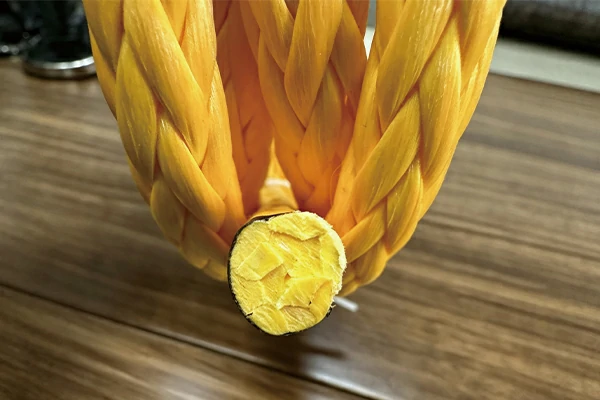
Visually inspect lines before and after use. Look for cuts, abrasion, excessive stiffness, UV degradation, or weakened spots. Feel for internal damage. Replace damaged lines immediately – they are prone to sudden failure under load.
Safety is Paramount: Preventing rope burn is fundamental to professional seamanship and personal well-being. Consistently wearing gloves, using correct techniques, maintaining situational awareness, managing lines meticulously, and replacing worn gear are not just recommendations – they are essential safety practices. Make these habits second nature for everyone on deck.