In the vast and unforgiving ocean, maritime rescue ropes serve as a vital lifeline, bridging the gap between danger and safety. Designed for extreme offshore conditions, these ropes are engineered to meet the rigorous demands of commercial shipping, coast guard operations, and emergency response teams.
What Sets Maritime Rescue Ropes Apart?
SOLAS Compliance: Certified under the International Convention for the Safety of Life at Sea (SOLAS), these ropes adhere to strict standards for strength, durability, and flame resistance.
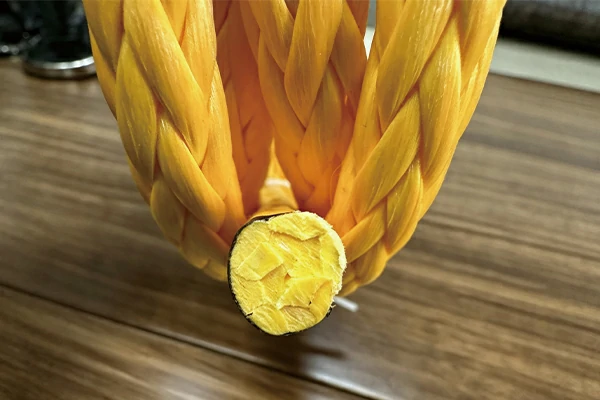
Saltwater Resilience: Constructed from corrosion-resistant materials like high-tenacity polyester or UHMWPE, they withstand prolonged exposure to seawater without degradation.
High Visibility & Buoyancy: Integrated reflective threads and floating designs ensure quick identification in rough seas or low-light conditions.
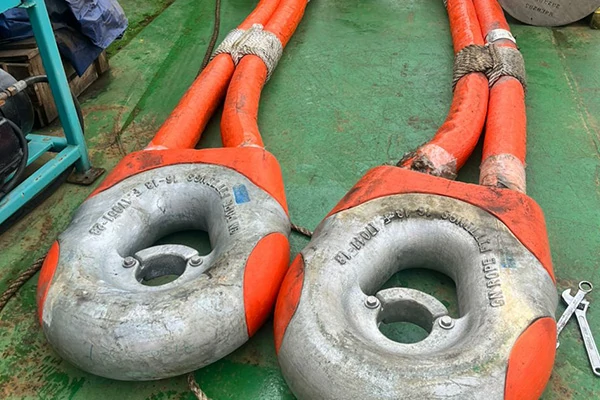
Shock Absorption: Engineered to handle sudden loads during helicopter hoisting or vessel-to-vessel transfers, reducing risk in turbulent waters.
Key Scenarios for Deployment
Capsized Vessel Recovery: Stabilizing survivors during ship evacuations.
Helicopter Rescue Operations: Used in hoist systems to airlift individuals from sinking ships.
Oil Rig Emergencies: Securing workers during platform evacuations or equipment failures.
Search and Rescue (SAR) Missions: Deployed by coast guards to retrieve stranded sailors or swimmers.
Choosing and Maintaining Maritime Ropes
Prioritize ropes with SOLAS or ISO 12401 certifications. Inspect regularly for UV damage, chafing, or chemical exposure. Store in dry, ventilated areas to prevent mildew. Advanced ropes may feature antimicrobial coatings to resist marine biofouling.
In maritime emergencies, every detail matters. A certified rescue rope isn’t just gear—it’s a promise of survival, blending cutting-edge engineering with unwavering reliability to conquer the ocean’s fiercest challenges.