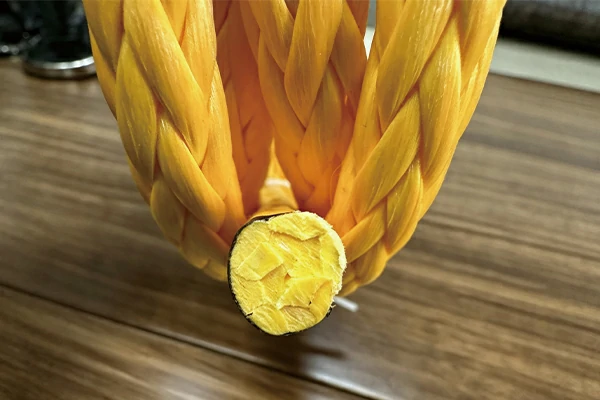
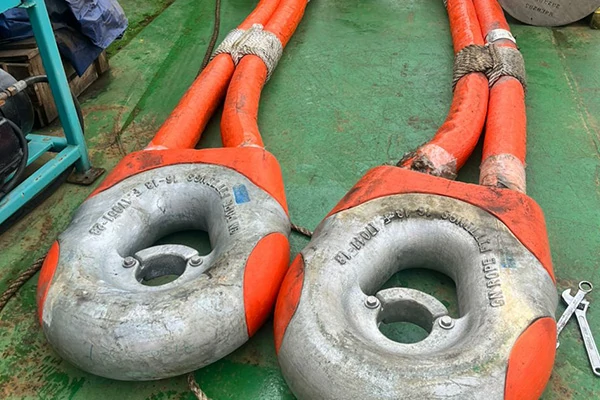
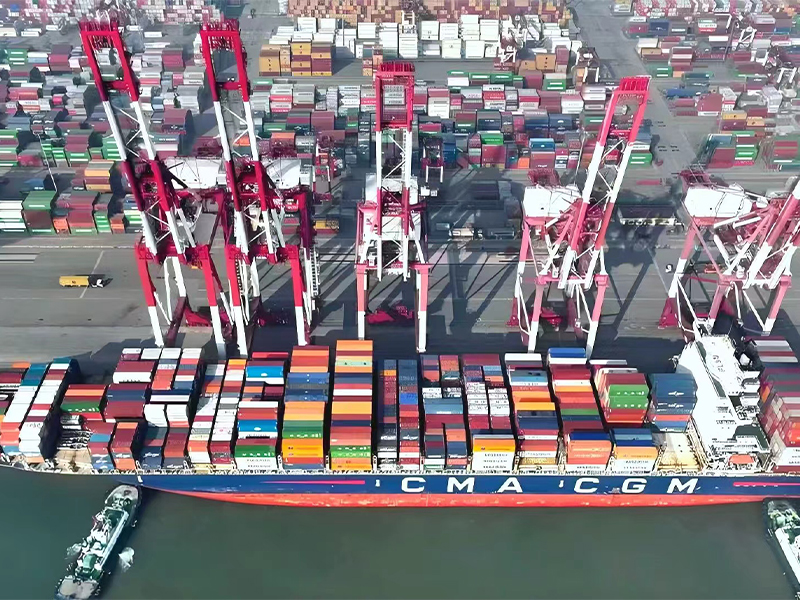
Spliced mooring lines are essential tools in the maritime industry, used to securely fasten ships, boats, and other vessels to docks or piers. These ropes are known for their strength, durability, and reliability in various docking operations. Splicing mooring cables involves a special knotting technique. The end of the rope is woven back into itself, forming a safe and stable loop. The splicing process improves the rope’s strength and helps distribute the load evenly, ensuring that the mooring line can withstand high tension without breaking.
Advantages of Spliced Mooring Line
Enhanced Strength:
Splicing increases the rope’s overall strength by securing the ends and preventing them from unraveling. The process distributes the load more evenly across the rope, making it stronger than a simple knot or a non-spliced rope.
Prevents Fraying:
A spliced mooring line is less likely to fray compared to traditional knotting techniques. The woven structure of the splice prevents the rope from coming apart over time, which extends its service life and improves safety during docking operations.
Smooth Finish:
Spliced mooring lines have a smooth finish with no bulky knots, making them easier to handle. The lack of knots reduces the risk of snagging or tangling, which improves the efficiency of handling the ropes.
Customization:
Spliced mooring lines can be tailored to fit specific requirements. The length, diameter, and type of material can be customized to meet the needs of different vessels and docking conditions. These lines are available in materials such as nylon, polyester, or HMPE, each offering unique benefits like UV resistance, abrasion resistance, and strength.
Applications of Spliced Mooring Line
Spliced mooring lines are used in various maritime operations. They are vital for securing vessels to docks, piers, or quays. In addition to mooring, these lines are also used in towing and anchoring, where their strength and durability are critical. They can handle large loads and are designed to perform under stress, making them ideal for large ships, cargo vessels, and offshore operations.
Conclusion
Spliced mooring lines offer numerous advantages over traditional ropes. Their increased strength, durability, and smooth handling make them indispensable for ensuring safety and efficiency in maritime docking operations. These production lines can be customized to adapt to various applications and can withstand the harshest conditions. Provide reliable performance for the coming years. Proper maintenance of spliced mooring lines ensures long-lasting, effective use in a wide range of maritime activities.