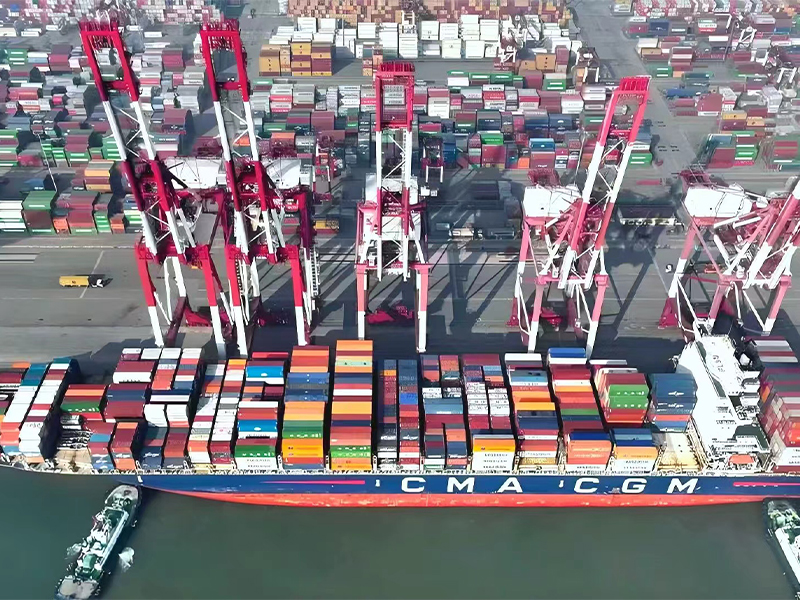
What is marine mooring ropes?
The marine mooring ropes is a line which connects watercraft and moor fixture.Anchors are necessary where there is not an onshore fixture.
Material of marine ropes
The marine mooring ropes come in a wide range of material. Here we talk about the synthetic fiber marine mooring ropes.
marine mooring ropes made from synthetic fibers are incredibly lightweight and have a high elasticity. These characteristics make them neutrally buoyant while in the water.
The most famous materials for marine mooring ropes includes UHMWPE, polypropylene, polyester, polyethylene, polyamide, etc. The polypropylene and polyester mixed material becomes a conventional new type.
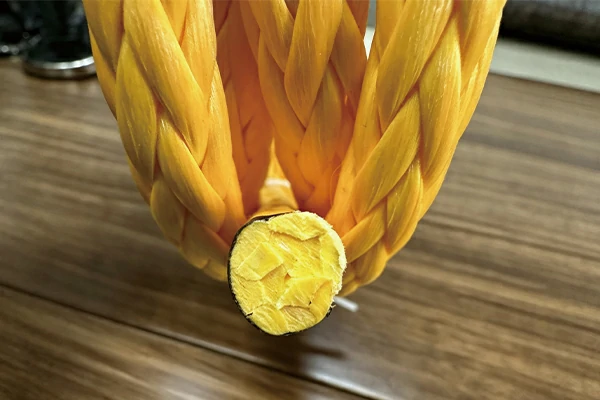
UHMWPE ropes are produced with ultra high molecular weight polyethylene (UHMWPE) fiber and advanced technology. It is the unique form of polyethylene. Featuring high strength, low weight and low elongation, they have a long service life, and their operation is easy, fast and safe.
Polypropylene rope is the most conventional economical for the marine field. It features lightweight, high strength, low elongation, rot and chemical resistant. Along all the synthetic material, polypropylene is the most economy material. Its chemical structure determines it is not very UV resistant, but is enough to use.
Polyester Rope. As a common rope material, polyester offers strength and durability. Compared with polypropylene, it is heavy and can not float. But Polyester has higher breaking strength. It stays strong even during cycling loading and does well against external abrasion. This material has a high melting point, UV resistant, and a high elasticity. That makes it a strong all-around choice.
Polyethylene. Polyethylene is most common in small ropes and is less common in large ropes.
Polyamide Rope. Polyamide, also known as nylon, is another standard fiber used in mooring. Nylon has strong abrasion resistance and temperature resistance. It has an extremely high elasticity.
Polypropylene and polyester mixed rope. It a new choice between polypropylene and polyester rope. It has the benefit of both polypropylene and polyester. The rope will has higher strength and UV resistant, but do not have so heavy body as polyester rope.
Application of mooring ropes
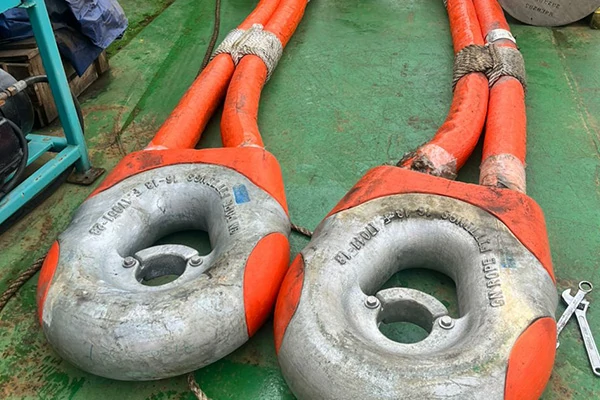
Marine moring ropes are most common for deep water. They are used to secure a watercraft or offshore platform and are primarily useful for head and stern lines within a mooring pattern.
Guide to choose the right ropes for you
The type of marine mooring ropes and line you choose depends on environmental factors like water depth, local weather, currents, waves, and wind. Besides, you should also consider the application and economy factors.
Here are some key considerations:
Material: Please check the above listing.
Strength: Choose a marine mooring ropes with sufficient strength to handle the maximum loads your watercraft will exert. You should consider the safety factor of different application when choosing the strength of the rope. For example, if the rope is for lifting, the safety factor is 4-6. That means the rope strength should be 4-6 times of the lifting strength.
Diameter: The diameter of the rope affects its strength and handling. Thicker ropes are generally stronger but may be harder to handle. Choose a diameter that fits comfortably in your cleats and windlass, if applicable.
Length: Ensure the rope is long enough for the depth where you will be mooring your watercraft. Consider additional length for tying off to docks or other boats, and for any changes in tide levels.
Durability: Look for ropes that are resistant to UV rays, abrasion, and chemicals. These properties are crucial for longevity and reliability in various weather conditions.
Water Resistance: Ropes that absorb minimal water are preferable because they are less likely to weaken over time due to moisture absorption.
Cost: Consider your budget, but prioritize quality and durability over cost savings, especially for safety-critical applications like mooring.
Special Features: Some ropes come with additional features like reflective threads for visibility at night or integrated stretch indicators. Choose these based on your specific needs and preferences.
Manufacturer Reputation: Opt for ropes from reputable manufacturers known for producing high-quality marine ropes. They often provide specifications and ratings to help you choose the right rope for your boat size and type.
Maintenance: Regularly inspect and maintain your marine mooring ropess to ensure they remain in good condition and replace them when signs of wear or degradation appear.
By considering these factors, you can select a marine mooring ropes that best suits your mooring needs, ensuring safe and reliable anchoring.