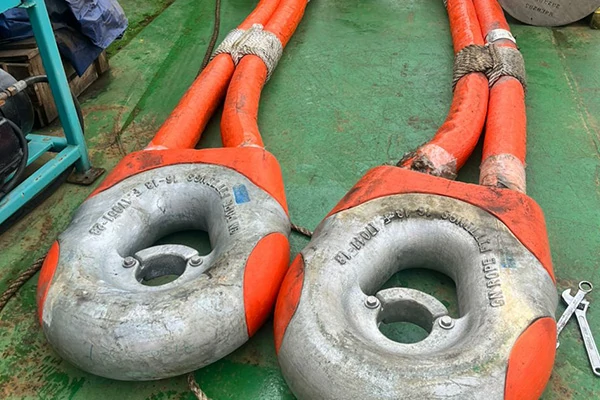
The Working Load Limit (WLL) of shackles are the maximum safe load that it can bear during normal use. It is a critical factor to ensure safety and efficiency in lifting, rigging, and securing applications. The WLL is typically determined by the shackle’s material, size, design, and manufacturing standards. It is expressed in units such as tons or kilograms and is usually engraved or stamped on the body of the shackle for easy identification.
1. Factors Affecting the WLL of Shackle
- Material: Shackle is commonly made from high-strength materials like alloy steel, carbon steel, or stainless steel. The strength of the material directly affects the WLL. Alloy steel shackles, for example, often have a higher WLL due to their superior tensile strength.
- Size: The size of the shackle, including its diameter and shape (D-shape or bow-shape), influences the WLL. Larger shackles with thicker cross-sections generally have higher load capacities.
- Design and Type: D-shape shackles typically have a slightly higher WLL compared to bow shackles of the same size because the force is more evenly distributed along the straight sides. Bow shackles, while more versatile, may have a slightly reduced WLL when handling multi-directional loads.
- Standards: The WLL is established based on internationally recognized standards, such as those from ASTM, ISO, or EN, which set minimum strength and testing requirements.
2. Typical WLL Ranges
- For small shackles with diameters around 6mm (1/4 inch), the WLL is usually between 500kg to 1 ton.
- Medium-sized shackles with diameters around 16-20mm (5/8 to 3/4 inch) often have WLLs of 4 to 8 tons.
- Large shackles, such as those with diameters exceeding 40mm (1.5 inches), can have WLLs of 20 tons or more, depending on the material and design.
3. Safety Factors
Shackle is designed with a safety factor, usually ranging from 4:1 to 6:1, depending on the application and the governing standards. This means the breaking strength of the shackle is 4 to 6 times the WLL. However, the WLL must never be exceeded during use to avoid accidents or equipment failure.
4. Importance of Accurate WLL Selection
Using shackles with an appropriate WLL is essential for safe and effective operations. Overloading a shackle can lead to deformation, cracking, or complete failure, posing risks to personnel and equipment. Regular inspection of shackles for wear, corrosion, or damage is also necessary to ensure they maintain their rated WLL.
Conclusion
The Working Load Limit (WLL) is a vital parameter when selecting and using shackles for lifting, towing, or securing tasks. Understanding the factors that affect WLL, such as material, size, and design, helps ensure safe and efficient operations. Always adhere to the specified WLL and perform regular inspections to prolong the lifespan and reliability of shackles.