Focusing on Polypropylene Ropes
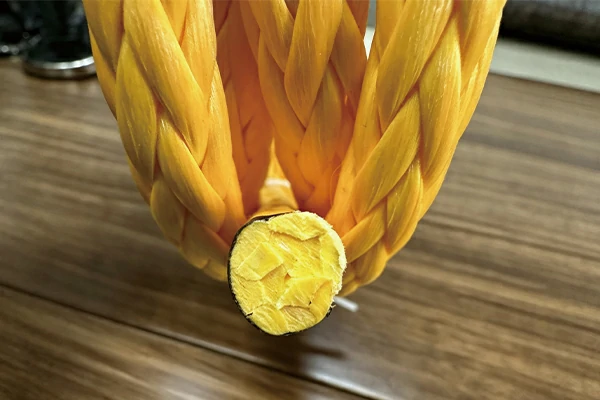
Dock lines are essential for securing boats, ensuring safety, and protecting vessels from wear and damage. While many materials are used to manufacture dock lines, polypropylene ropes are favored for their affordability, buoyancy, and resistance to mildew and rot. However, regular maintenance is critical to extending the lifespan and performance of PP dock lines, as they are sensitive to UV damage and abrasion.
1. Protection from UV Damage
Polypropylene ropes are particularly vulnerable to UV rays, which can weaken the fibers over time. For dock lines that are frequently exposed to sunlight, consider the following:
Store in Shade: Whenever possible, keep polypropylene dock lines stored in shaded areas, reducing prolonged exposure to direct sunlight.
Use UV-Protective Treatments: Some protective sprays are available to add an extra layer against UV degradation. Applying these sprays periodically can improve the rope’s longevity.
2. Regular Cleaning
Dirt, salt, and other particles can accumulate on the rope surface, causing abrasion and reducing flexibility. Cleaning is a simple but effective way to maintain your dock line:
Rinse with Fresh Water: After each use, especially in saltwater environments, rinse PP dock lines with fresh water to remove salt and dirt particles. This reduces wear and prolongs durability.
Use Mild Soap for Deep Cleaning: For deeper cleaning, use a mild soap solution to remove oils and tougher grime. Afterward, thoroughly rinse to remove any soap residue, which could attract dirt if left on the rope.
3. Check for Abrasion and Wear
Polypropylene ropes, although lightweight and strong, are more prone to surface abrasion than other synthetic fibers. To mitigate this:
Inspect Regularly: Before each use, examine the rope for signs of fraying or rough patches. Abraded areas indicate weakened fibers, which may compromise the rope’s strength.
Rotate Ends: Regularly rotating the rope ends distributes the wear more evenly and reduces damage to high-stress areas.
Add Chafing Gear: For parts of the line that rub against hard surfaces, consider adding a chafe guard or sleeve. This will protect the rope from direct contact with abrasive surfaces.
4. Proper Storage When Not in Use
Storing polypropylene dock lines correctly prevents unnecessary wear:
Store in a Cool, Dry Place: Avoid areas with high humidity and direct sunlight. A cool, dry location with good ventilation helps maintain the rope’s quality.
Avoid Heavy Compression: Storing dock lines under heavy objects can deform the rope, impacting flexibility and strength.
5. Replacing Worn Ropes
Despite good care, polypropylene ropes will eventually need replacement. If you notice extensive fraying, discoloration, or significant stiffness, it may be time to invest in a new dock line. Using a worn line can be risky, especially in harsh weather conditions.
Conclusion
Maintaining polypropylene dock lines involves basic yet essential steps: protecting from UV damage, cleaning, checking for wear, storing properly, and replacing when necessary. With careful attention, polypropylene dock lines can perform effectively, offering safe and secure docking for an extended period.