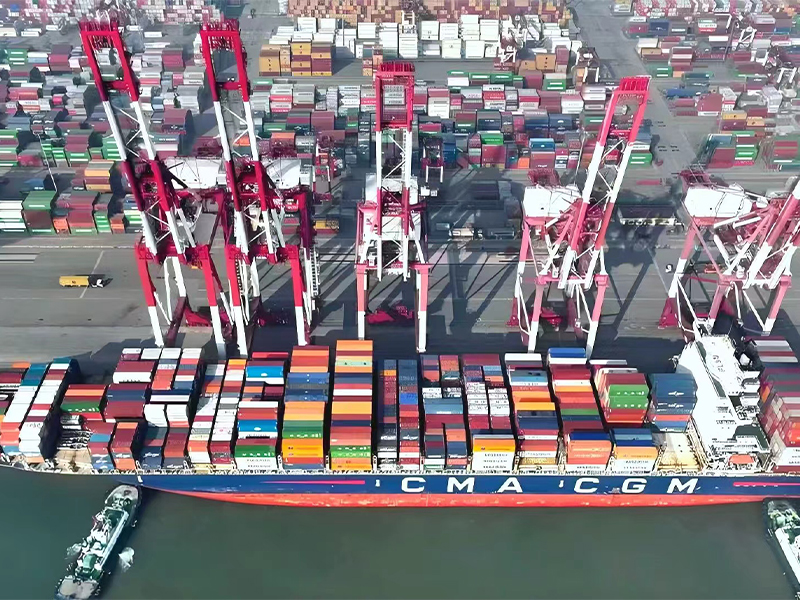
Sophisticated buyers evaluate mooring rope suppliers through an operational ROI lens. Understanding the concerns of customers regarding mooring rope procurement is crucial. These seven questions expose hidden cost drivers and compliance gaps:
1. Provide third-party validated MBL histograms for 3 consecutive production batches
Demand ≤4% MBL deviation per ASTM D885 – inconsistent batches increase safety factors by 15-20%, forcing over-specification.
2. Document polymer stabilizer migration rates under cyclic UV/hydrolysis stress (ISO 16663:2025 Method B)
Critical for tropical deployments where stabilizer leaching causes >30% strength loss in 18 months.
3. Verify minimum 92% splice efficiency retention after 5×10⁶ fatigue cycles at 40% MBL (IEC 62600-40 Class II)
Offshore dynamic mooring systems require certification for wind farm/wave energy applications.
4. Submit chemical resistance data against H₂S-saturated seawater (NORSOK M-501 Category C exposure)
Essential for FPSOs in sour gas fields where sulfide penetration degrades aramid fibers.
5. Disclose yarn-on-yarn abrasion resistance (ISO 18692 ΔT <15°C at 0.7dN load)
Poor abrasion resistance accelerates internal wear, reducing service life by 40-60%.
6. Confirm chain-to-rope interface service life >8 years under 300kN compression loads (DNV-RP-E305 Level 3)
Request 3D FEA simulation reports validating chafe guard design.
7. Detail liability coverage for consequential losses under BIMCO Supplytime 2017 Clause 14
Verify €15M+ insurance covering downtime costs at €83k/hour for VLCCs.
> Procurement Intelligence
Suppliers lacking IACS Type Approval with digital material passports (IMO Resolution MSC.461(101)) incur 3x longer vetting cycles. Prioritize vendors providing blockchain-tracked resin origins.
Independent lab audits of Factory Production Control (FPC) systems reduce total cost of ownership by 22% through:
– Elimination of premature replacement costs
– Avoidance of OCIMF non-compliance fines (up to €500k/incident)
– Prevention of operational downtime averaging €2.1M/vessel/year
>> Becoming a compliant supplier makes the mooring rope procurement process safer and more efficient.