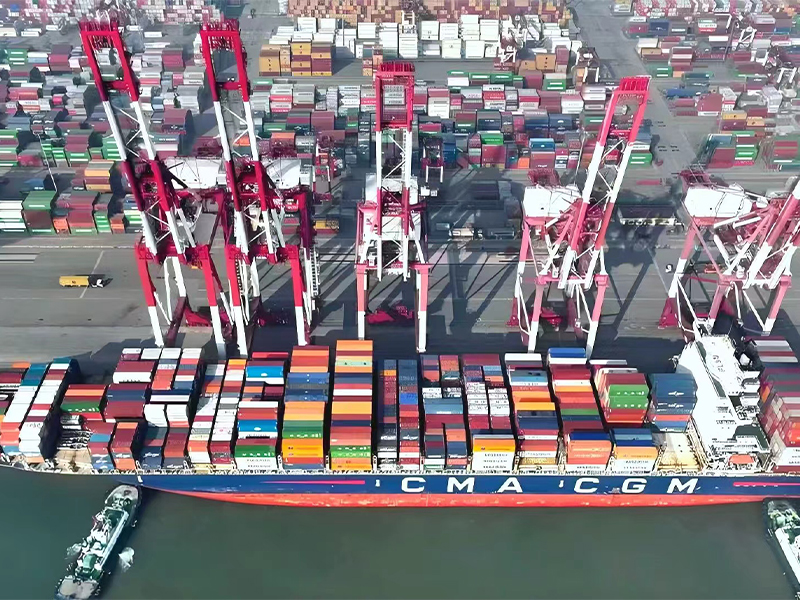
Mooring is a critical operation when a vessel docks, ensuring its stable position and allowing it to withstand external factors such as tidal changes and wind forces. The number, specifications, and methods of marine tow rope vary depending on the size of the ship. Choosing the appropriate marine tow rope for different vessel sizes not only enhances safety but also ensures the stability of the vessel during docking.
For small vessels, typically 10-20 feet in length, mooring is relatively simple. These boats, often used for recreational activities like fishing, are small and lightweight, making them suitable for lighter mooring lines. Generally, only two main mooring lines are required—one at the bow and one at the stern. These two lines secure the boat in place and prevent it from drifting with the waves. In areas with strong winds or fluctuating tides, an additional 1-2 elastic lines may be used to prevent the boat from swaying forward and backward, ensuring stability.
Ships ranging from 30 to 50 feet are classified as medium-sized vessels.
Usually used for longer voyages or long-term stays at ports, the mooring process becomes more complex. These boats require more lines to ensure secure docking due to their larger size and weight. Typically, 4 to 6 mooring lines are used. Two primary lines are attached to the bow and stern, and additional lines are secured to the sides of the vessel. The ropes at the bow and stern ensure that the ship is firmly secured to the dock. The siding provides additional stability to prevent lateral movement Elastic or spring wires can also be used to minimize lateral displacement as much as possible. To ensure that the ship can remain in place under tidal changes or strong winds.
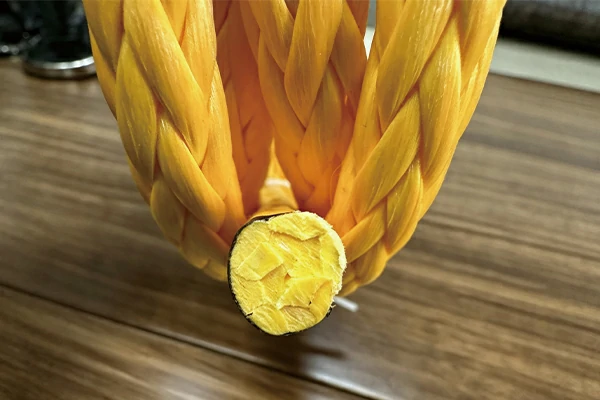
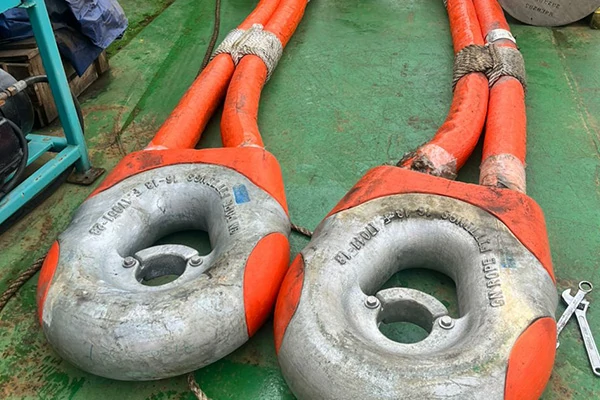
Ships over 50 feet are considered large vessels. The mooring process becomes more complex for luxury yachts, cargo ships, or oil tankers. These ships are large and carry heavy loads, so the mooring lines need to be robust and durable. Common materials for large vessel mooring lines include polyester, polypropylene, and HMPE. Polyester ropes are widely used for large vessel mooring due to their UV resistance, abrasion resistance, and low stretch properties. HMPE ropes, known for their high strength, low weight, and excellent durability, are also popular for large ship mooring.
Large vessels typically require 6 or more mooring lines. The most common configuration includes two lines at the bow, two at the stern, and two on the sides. The bow lines secure the vessel to one side of the dock, preventing forward and backward movement caused by tidal changes. Stern lines help prevent the ship from swinging or drifting away from the dock. Side mooring lines provide stability by preventing side-to-side movement. In locations with significant tidal changes or strong winds, elastic ropes are used to reduce the vessel’s forward and backward motion, maintaining stability.
For even larger vessels, such as super tankers or ultra-large cargo ships, the number of mooring lines may exceed 8. These vessels require more mooring lines to handle the larger forces acting on them due to their size and weight. The number of lines can sometimes exceed 10, especially in ports with harsh environmental conditions.
In conclusion, larger vessels require more and stronger mooring lines. The lines must also provide better stability and security. Selecting the right mooring line material is essential. Proper mooring techniques can greatly improve vessel stability during docking. This helps prevent damage or accidents and ensures safety at the dock. Operators and shipowners should consider the type and size of the vessel. They must also account for the docking environment. Using the appropriate methods ensures the safety of both the vessel and the surrounding area.