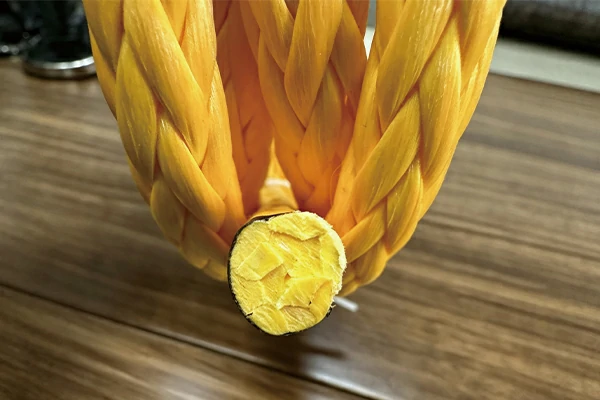
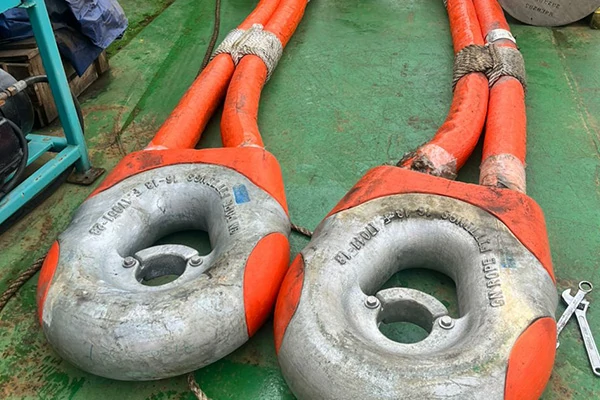
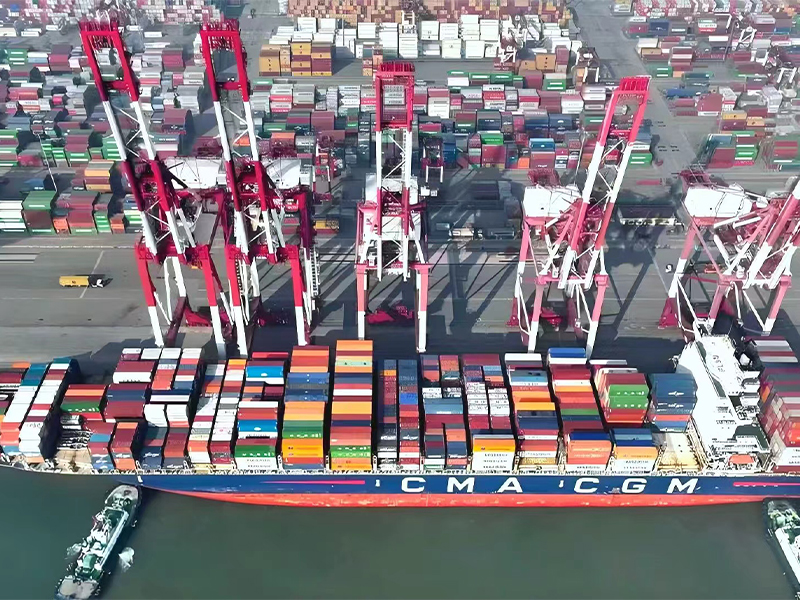
Saltwater is one of the most challenging environments for marine ropes. While synthetic marine ropes are designed for durability, long-term exposure to saltwater can still affect their performance, strength, and service life if not properly managed.
Saltwater and Synthetic Rope Materials
Unlike natural fiber ropes, synthetic marine ropes such as nylon, polyester, polypropylene, and UHMWPE are not directly damaged by salt crystals. However, saltwater can influence ropes in several indirect ways.
First, saltwater accelerates abrasion. When salt deposits remain on the rope surface, they increase friction between fibers, especially during repeated loading and movement. Over time, this leads to surface wear and fiber fatigue.
Second, saltwater can trap sand, grit, and marine debris inside the rope structure. These particles act like abrasives, gradually reducing rope strength from the inside, even when the outer surface looks intact.
Effects on Common Synthetic Marine Ropes
Nylon ropes absorb water, which may slightly reduce tensile strength in wet conditions. However, nylon maintains excellent shock absorption, making it ideal for mooring applications.
Polyester ropes show strong resistance to saltwater, UV exposure, and abrasion, making them highly stable for long-term marine use.
Polypropylene ropes resist saltwater well but are more sensitive to UV exposure and surface wear.
UHMWPE ropes offer outstanding resistance to saltwater, chemicals, and abrasion, with minimal strength loss over time.
How to Extend Rope Service Life in Saltwater
To maximize performance, marine ropes should be regularly rinsed with fresh water, especially after long-term saltwater exposure. Proper storage away from direct sunlight and routine inspection for wear are also essential.
Choosing the right rope material for the specific marine application is the most effective way to ensure safety, durability, and long-term value.
📩 Contact us to discuss your application, request technical advice, or receive a fast quotation.