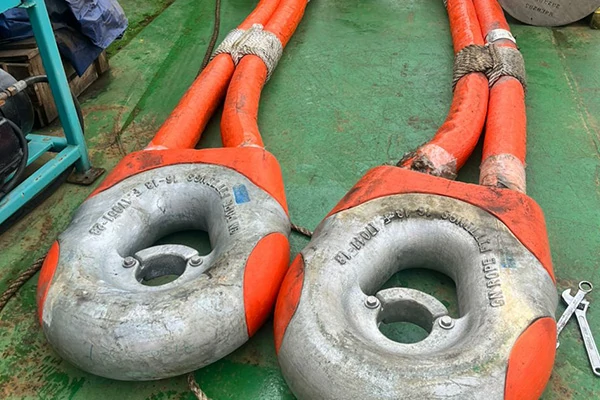
The safety and reliability of your offshore operations depend heavily on the standards your mooring rope complies with.
Understanding these standards is crucial. They ensure safety, reliability, traceability, testing, inspection, and service life of the products you use.
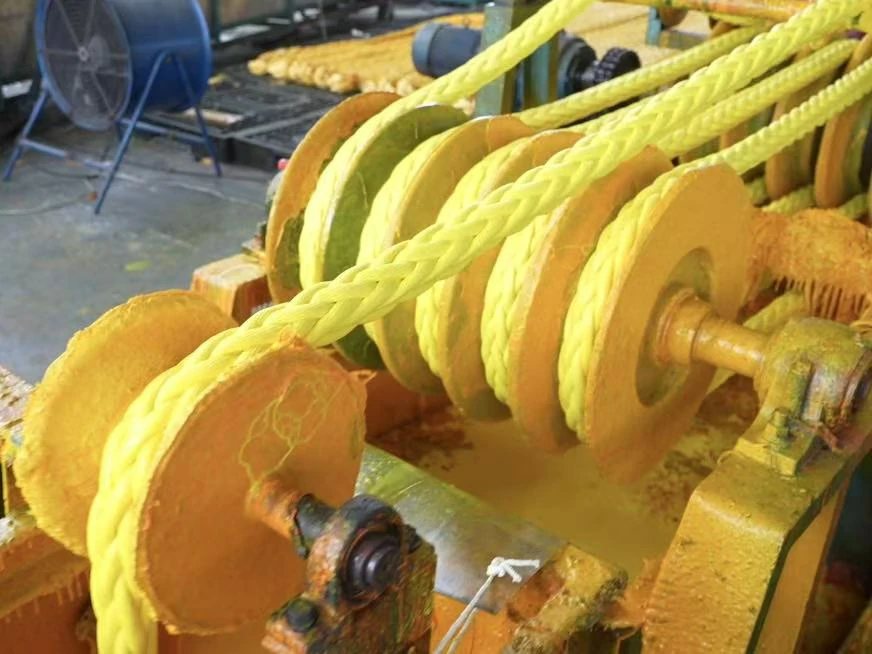
Standards are not just numbers and letters; they represent trust and quality. They guide you in choosing the right mooring rope for your Floating Production Storage and Offloading (FPSO) units. Without compliance, the risks increase, along with potential costs from failures or accidents. As someone who values safety, I always prioritize these standards when selecting mooring solutions.
Why Standards Matter?
Standards matter because they create a benchmark for safety and performance in marine operations. They help ensure that the mooring ropes you use meet specific criteria, which is essential for preventing accidents and ensuring reliable performance.
Compliance with recognized standards, such as OCIMF MEG4 and ISO 10325, assures you that the ropes are tested and verified for their intended use. Moreover, these standards help in traceability, so you can track the rope's production history. This is vital for maintenance and safety checks.
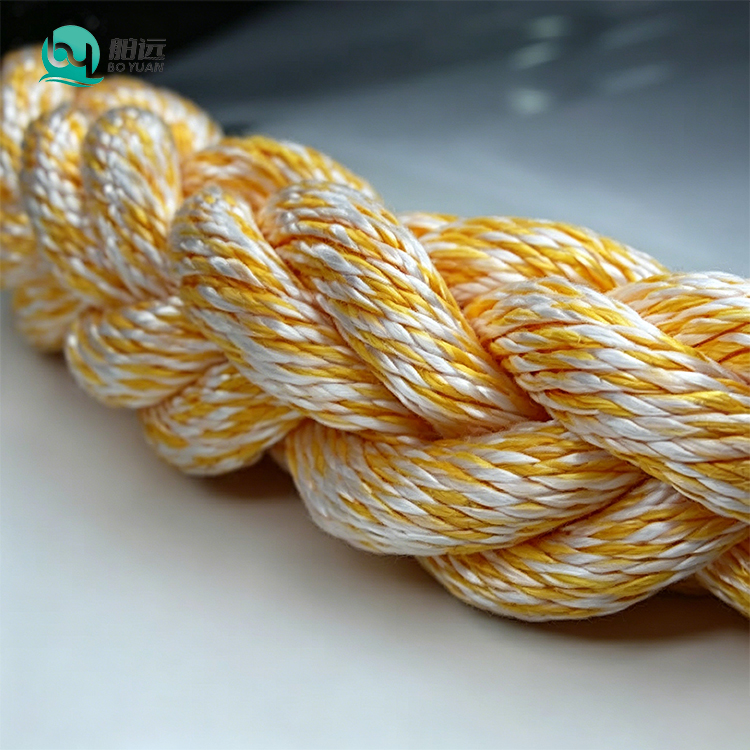
Overview of Major Standards
| Standard | Organization | Covers | Typical Application |
|---|---|---|---|
| OCIMF MEG4 | OCIMF | Mooring equipment guidance | Tankers, terminals, FPSO operations |
| ISO 10325 | ISO | Fibre rope inspection & retirement guidance | Synthetic mooring ropes |
| DNV Rules | DNV | Design, testing & certificate | Offshore projects |
| ABS Rules | ABS | Classification requirements | Offshore units |
| LR Rules | Lloyd's Register | Certification & approval | Marine & Offshore |
OCIMF MEG4
OCIMF MEG4 is a guideline that provides recommendations for safe mooring practices. It primarily focuses on the safe design and operation of mooring systems for marine vessels. The guidelines are essential for assessing the potential risks and mitigating them effectively.
ISO 10325
ISO 10325 defines the performance and testing requirements for ropes used in marine applications. This standard is crucial because it ensures that the rope’s design and materials are suitable for the harsh marine environment.
DNV Rules
DNV Rules are a set of requirements for the safety and performance of marine systems. These rules are internationally recognized and often required for compliance in various marine projects. They include rigorous testing and inspection processes that help maintain high safety standards.
ABS Rules
The American Bureau of Shipping (ABS) has its own rules that must be adhered to for marine operations. These rules ensure that the equipment meets specific safety and performance criteria. Compliance with ABS guidelines is often a prerequisite for operating in certain regions.
LR Rules
Lloyd's Register (LR) Rules also play a significant role in ensuring the safety and reliability of mooring ropes. Like DNV and ABS, LR requires thorough testing and documentation, ensuring that ropes are ready for challenging marine environments.
Which Standards Apply at Different Project Stages?
| Project Stage | Applicable Standards |
|---|---|
| Rope Design | DNV / ABS / LR |
| Manufacturing | ISO Quality System |
| Testing | Customer Specification |
| Installation | OCIMF Guidance |
| Inspection | ISO 10325, MEG4 |
Each stage of your project will require different standards, highlighting the importance of understanding these specifications.
What Documents Should You Request from Your Rope Supplier?
When procuring mooring ropes, it’s essential to ask your supplier for the following documents:
- Factory Test Certificate
- Third-party Certificate
- MBL Test Report
- Traceability Record
These documents provide assurance that the rope has been tested and meets the required standards. They also establish a traceable history of the product, which is important for safety and maintenance.
Common Misunderstandings
Many customers have misconceptions about rope certifications. For instance, when people say "DNV certified rope," they often assume it means one standard of certification. In reality, DNV certification can vary and may include:
- Factory Approval
- Witness Testing
- Type Approval
- Project Certificate
It is crucial to understand these distinctions when making procurement decisions.
FAQ
Is ISO 10325 mandatory?
ISO 10325 is not always mandatory, but many industry players require compliance to ensure safety and performance.
Does every FPSO require DNV certification?
Not every FPSO requires DNV certification, but many clients and regions favor it for insurance and regulatory reasons.
Can ABS replace DNV?
ABS cannot directly replace DNV as they serve different roles and markets. Compliance requirements differ by region and project specifications.
What is the difference between MEG3 and MEG4?
MEG4 updates and improves upon MEG3 guidelines, addressing new safety and performance challenges in mooring systems.
Who issues rope certificates?
Rope certificates can be issued by manufacturers, third-party testing agencies, or classification societies like DNV, ABS, and LR.
Before making a purchase, always ask your supplier for clarity on these aspects. Knowing the standards and documentation will save you from potential issues down the line.
Conclusion
Understanding mooring rope standards is vital for ensuring safety and reliability in FPSO operations.