The first time I saw an SPM Hawser drawing[^1], I felt overwhelmed. It looked complicated. But understanding it is crucial for effective procurement. Here's a breakdown.
To read an SPM Hawser drawing, you need to know the key components. This includes Rope Material, Rope Construction, Circumference, MBL, Eye Type, Float Requirement, Coating, and Certification.
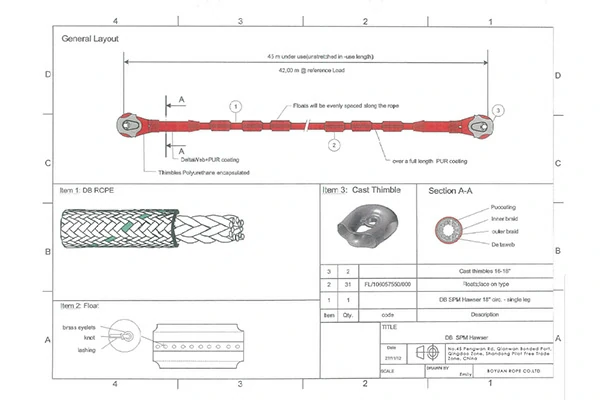
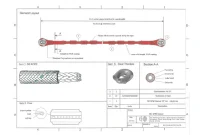
When looking at the drawing, start by understanding the general layout. The total length of the rope is shown as 45 m under use (unstretched in-use length) and 42 m at the reference load. The drawing highlights three key areas with item numbers:
- Item 1: DB Rope, which indicates it is a double braided rope.
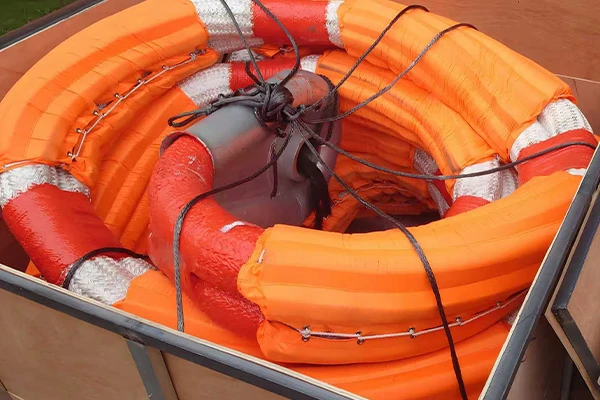
- Item 2: Float, the buoy that is attached to the rope.
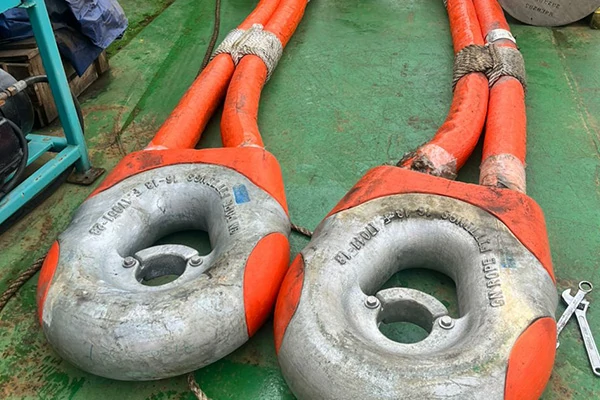
- Item 3: Cast Thimble, an important part of the assembly.
Besides these labeled sections, there are also four sections without item numbers. These areas provide critical specifications:
- The first section points to the rope near the thimble. It notes that the rope are polyurethane encapsulated.
- The second section shows the rope's main body with a cross-section labeled A-A, specifying DeltaWeb[^2] with PUR coating[^3].
- The third section explains that Floats will be evenly spaced along the rope.
- The fourth section indicates a red rope with a full-length PUR coating.
The bottom part of the drawing lists out Item 1-3 in detail.
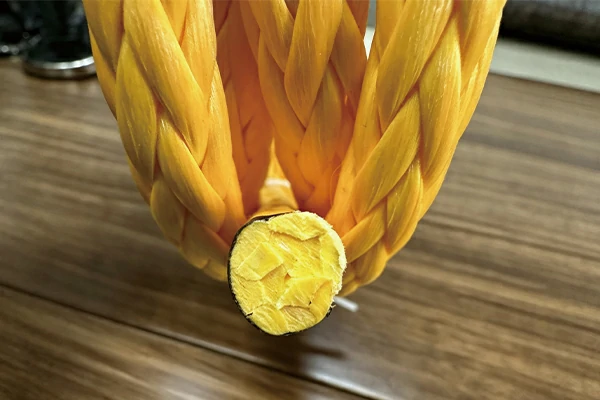
- Item 1: It describes the double braided rope with 12 strands and an additional double braid outer cover.
- Item 2: This section zooms in on the float, highlighting brass eyelets, knots, and lashing.
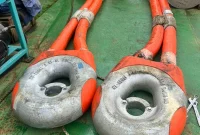
- Item 3: Shows a detailed picture of the cast thimble[^4]. To the right, Section A-A displays the cross-section of the rope, detailing four elements: Deltaweb, PU coating, inner braid, and outer braid.
Next, you’ll find information about the quantities needed.
- Item 3: Two thimbles are required, one at each end.
- Item 2: There are 31 floats, labeled as FL/106057550/000, which are lace-on types.
- Item 1: The drawing specifies a single DB SPM Hawser with a circumference of 18 inches.
How Do You Confirm the Details Before Purchasing?
Understanding the details is just the beginning. What should you do next?
Before making a purchase, you should confirm several essential details. These include the Rope Material, Rope Construction, Circumference, MBL, Eye Type, Float Requirement, Coating, and Certification. Each of these factors can affect the performance and safety of the rope.
When you evaluate Rope Material, consider the environment in which the rope will be used. For example, is it for marine applications? If so, you may need a rope that is UV resistant and can withstand seawater.
In terms of Rope Construction, double-braided ropes often offer enhanced strength and flexibility. This can be crucial for applications that involve high tension or repeated use.
Circumference matters as well. A thicker rope can typically handle more weight, but it also may be bulkier to work with. Always think about the balance between strength and manageability.
The Minimum Breaking Load (MBL) is vital for safety. This number indicates the maximum force the rope can withstand before breaking. Always ensure the MBL exceeds the maximum load it will carry.
The Eye Type should be confirmed. Different eyes can offer various attachment options. This impacts how the rope will be used in real-life applications.
Float Requirement also plays a role. If the rope needs to be buoyant, check the specifications of the floats included in the drawing.
Lastly, don’t forget about Coating and Certification. The right coating can extend the life of the rope. Certification ensures that the rope meets industry standards.
How Do You Interpret Each Detail on the Drawing?
Interpreting each detail on the drawing requires a closer look. Let’s break it down further.
Rope Material: The drawing may specify the type of fibers used. Common options are polyester and nylon. Each fiber has its own benefits and limitations.
Rope Construction: Double-braiding means the rope is constructed of two braided layers. This provides better durability and flexibility, making it suitable for dynamic applications.
Circumference: The circumference measurement impacts how the rope handles loads. Make sure to match this with your specific needs.
Minimum Breaking Load (MBL): This metric is crucial. Always check that it aligns with the maximum expected load in your operations.
Eye Type: The type of eye can indicate how you will attach the rope to your equipment. This affects stability and safety.
Float Requirement: Check if the floats are included and if they’re appropriate for your application. Each float should match the specifications laid out in the drawing.
Coating: Ensure that the rope is treated to resist wear and tear, especially if it will be exposed to harsh conditions.
Certification: Always verify that the rope meets industry standards. This can eliminate risks and ensure quality.
Conclusion
Understanding an SPM Hawser drawing can enhance your procurement process, ensuring safety and efficiency in operations.
[^1]: "Guidelines for the Purchasing and Testing of SPM Hawsers", https://www.ocimf.org/publications/books/guidelines-for-the-purchasing-and-testing-of-spm-hawsers-2. OCIMF’s guidance on purchasing and testing single point mooring hawsers identifies the main specification and verification parameters for SPM hawsers, including rope construction, dimensions, strength/breaking-load requirements, eye terminations, buoyancy/floats, protective coatings, and testing documentation. Evidence role: expert_consensus; source type: institution. Supports: To read an SPM Hawser drawing, you need to know the key components, including rope material, rope construction, circumference, MBL, eye type, float requirement, coating, and certification.. Scope note: The source supports the general procurement and specification elements for SPM hawsers; it may not describe the exact proprietary drawing shown in the article. [^2]: "[PDF] THE APPLICATION OF FIBER ROPE FOR OFFSHORE MOORING", https://www.bsee.gov/sites/bsee.gov/files/tap-technical-assessment-program//661aa.pdf. A technical source identifying DeltaWeb as a rope construction/component used in SPM hawser specifications with polyurethane coating would substantiate the drawing interpretation that Section A-A calls out DeltaWeb with PUR/PU coating. Evidence role: definition; source type: other. Supports: The SPM hawser drawing specifies DeltaWeb with PUR/PU coating as part of the rope cross-section or main body construction.. Scope note: If DeltaWeb is a proprietary product name, the most precise evidence may come from a manufacturer technical datasheet rather than a fully neutral institutional source. [^3]: "HMPE Rope: Must-Know Guide to Unbreakable Strength!", https://duracordix.com/hmpe-rope-must-know-guide-to-unbreakable-strength/. A technical paper or institutional guideline on synthetic marine mooring ropes can substantiate that polyurethane (PUR) coatings are applied to rope fibers or covers to improve abrasion resistance and environmental durability in service. Evidence role: mechanism; source type: paper. Supports: PUR coating is a protective rope coating used on SPM hawsers to help resist wear and harsh marine exposure.. Scope note: This supports the general function of PUR coating on marine ropes, not the exact specifications of the particular drawing unless the cited source is the applicable SPM hawser standard or manufacturer datasheet. [^4]: "Guidelines for the Purchasing and Testing of SPM Hawsers", https://shop.witherbys.com/guidelines-for-the-purchasing-and-testing-of-spm-hawsers-second-edition-2025/?srsltid=AfmBOorXgIKC8Fa4OpWj6gmdMAq--4z-y-OMzraV-e0aMU4MOvOU-6X6. An industry guideline or technical standard on SPM hawsers identifies thimbles as rope-eye/end-termination components used in hawser assemblies, supporting the description of the cast thimble as a key part of the assembly. Evidence role: general_support; source type: institution. Supports: A cast thimble is an important component of an SPM hawser assembly.. Scope note: The source would support the role of thimbles in SPM hawser assemblies generally, but it would not verify the specifications of this particular drawing.