Towing lines are indispensable tools in maritime operations. Selecting the appropriate line and using it correctly is not just a matter of efficiency but of fundamental safety. This guide provides a professional overview of best practices for towing line operations.
Selecting the Right Towing Line
· Material: Synthetic fibers like nylon are prized for their high elasticity and energy absorption, ideal for dynamic loads. Polyester offers less stretch but superior abrasion resistance and durability. Always choose materials certified for marine use.
· Strength: The line’s Minimum Breaking Strength (MBS) must significantly exceed the expected working load. A safety factor of 5:1 is a common industry standard to account for shock loads and unpredictable sea conditions.
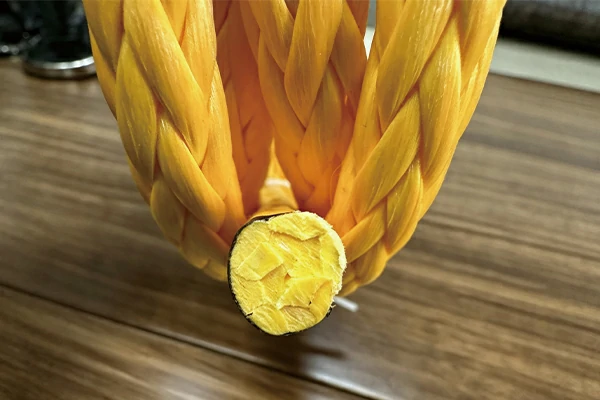
· Construction: Consider the construction type (e.g., double-braided, three-strand) based on the need for flexibility, strength, and handling. Also, evaluate environmental factors like UV resistance and compatibility with your winches and fairleads.
Safe Usage Practices
· Pre-Use Inspection: Thoroughly examine the entire length for signs of damage: cuts, abrasions, chemical degradation, or UV fading. Never use a compromised line.
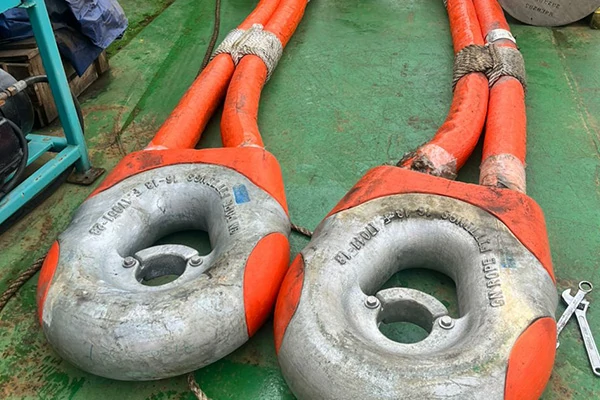
· Rigging and Connection: Use certified shackles and connectors. Employ chafing guards at all points of contact with fairleads, rails, or the stern to prevent wear. Ensure connections are secure and the line is not twisted.
· Communication & Protocol: Establish clear communication protocols between the tug and the vessel under tow. Operations must be coordinated to avoid sudden jerks.
Key Precautions
Avoid sudden jerks or overloads, which can cause line failure.
Never stand in the bight of a line under tension.
Store lines in a cool, dry place away from direct sunlight and chemicals.
Replace lines showing significant wear or damage.
By following these guidelines, you can enhance safety and prolong the lifespan of your towing lines.