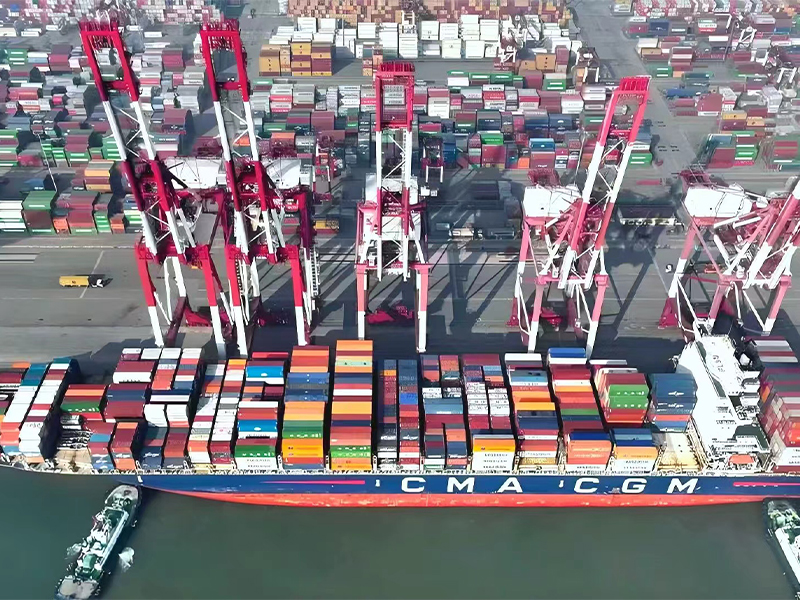
A snap-back accident is a highly dangerous event in ship mooring operations. This situation occurs when the mooring rope under high pressure suddenly breaks. Instantly releasing a large amount of stored energy, causing the rope to violently bounce back towards its connection point. The tremendous force of this rebound may cause serious injury, death, or significant damage to ships or dock equipment.
The snap-back zone refers to the high-risk area where the recoiling rope is most likely to travel after breaking. These zones typically include the direction of the rope’s tension, areas adjacent to its attachment points, and other spaces potentially affected by the rope’s trajectory. Since the snap-back path can be unpredictable, the danger zone often covers a wide area, putting anyone within its range at considerable risk.
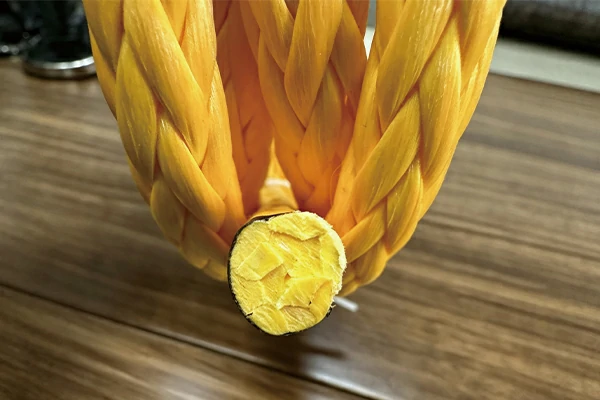
To mitigate snap back risks, several measures can be implemented. Using anti snap back marine rope is crucial. High performance materials like HMPE ropes with low elongation and high strength help reduce energy storage and lower the risk of recoiling. Additionally, ropes designed with energy absorption or snap back prevention features can safely dissipate stored energy, minimizing the danger.
Clearly marking snap back zones is essential for safety. Visible warning signs should identify high risk areas and plan safe operating routes. To keep the crew away from dangerous areas during the mooring process.
Regular training and heightened safety awareness are vital for all crew involved in mooring operations. Conducting periodic safety drills and providing education on snap back prevention equip the crew with the knowledge and skills to manage such risks effectively.
Following proper mooring procedures is equally critical. This includes routine inspections of mooring ropes for wear and tear, immediate replacement of damaged ropes, and ensuring tension is evenly distributed across all mooring lines. Overloading any rope should be avoided to reduce the likelihood of failure.
— Previous articles: Rope Solutions for Efficient Mooring
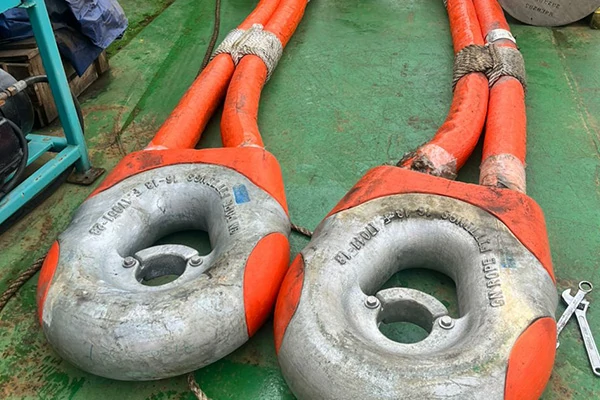
Installing snap back mitigation devices, such as rope dampeners or anti-snap-back rings, further enhances safety. These devices absorb some of the energy from a breaking rope, reducing the force and range of its recoil.
Finally, maintaining a safe distance during mooring operations is paramount. Crew members should avoid standing in the direct path of tensioned ropes and keep a safe distance to minimize risk.
By taking these measures, the risk of rebound accidents can be significantly reduced and the safety of crew, ships, and dock facilities can be ensured. Proactive prevention and diligent safety practices are essential for efficient and secure mooring operations.